
Pope Calls for ‘Disarming’ Artificial Intelligence, Rejects AI Warfare
By OUR REPORTER · 25/05/2026 4:53 PM · 2 min read
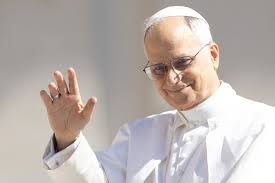
Pope Leo XIV has called for the “disarming” of artificial intelligence, warning against the growing global race for more powerful algorithms, AI-controlled warfare and the exploitation hidden behind modern technological systems.
The Pontiff made the remarks on Monday during the presentation of his first encyclical titled Magnifica Humanitas (“Magnificent Humanity”), a major Vatican manifesto outlining the Catholic Church’s position on the rapid expansion of artificial intelligence and emerging technologies.
Presenting the document at the Vatican alongside leading AI experts, including Christopher Olah, co-founder of American artificial intelligence company Anthropic, Pope Leo warned that humanity risks allowing technology to dominate ethical and moral decision-making.
The Pope criticised what he described as an “armed competition” among nations and corporations seeking geopolitical and commercial dominance through increasingly advanced AI systems. “Disarming AI means freeing it from the mentality of armed competition,” the Pope stated. “To disarm does not mean rejecting technology, but preventing it from dominating humanity.”
Pope Leo also strongly opposed the use of artificial intelligence in lethal military operations, insisting that moral responsibility for decisions involving human life cannot be handed over to machines or algorithms. “It is not permissible to entrust lethal decisions to technology,” he declared.
The Pontiff further criticised modern interpretations of the “just war” theory, arguing that no algorithm can morally justify armed conflict.
The encyclical warned that behind the seemingly seamless world of artificial intelligence lies a hidden chain of exploitation involving underpaid labour, disturbing content moderation work and dangerous mineral extraction often carried out under harsh conditions. “Nothing in the world of AI is immaterial or magical,” the Pope wrote, noting that millions of workers globally continue to bear the human cost of the digital revolution.
He also highlighted concerns over the environmental impact of AI infrastructure and called for more responsible technological development that protects both human dignity and the planet.
The document additionally contained a rare apology from the Vatican over the historical role played by parts of the Church in slavery and slave trade practices. “For this, in the name of the Church, I sincerely ask for pardon,” Pope Leo wrote.
The manifesto is already being described by observers as one of the most significant Vatican policy documents in recent years and could shape future global debates on ethics, technology regulation, warfare and human rights.
Written by
Our Reporter
SkyHigh NewsHub correspondent.