
Looted Libyan Weapons Fueling Extremist Violence in Nigeria, UN Reveals
By OUR REPORTER · 04/06/2026 3:55 PM · 3 min read
The United Nations has revealed that weapons looted during the 2011 conflict in Libya eventually found their way into the hands of extremist groups operating in Nigeria, highlighting the long-term security consequences of uncontrolled arms proliferation across Africa.
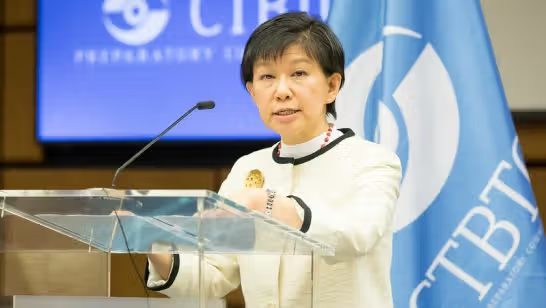
The disclosure was made by Izumi Nakamitsu, the United Nations Under-Secretary-General and High Representative for Disarmament Affairs, during a high-level discussion on the global spread of illicit firearms at the UN Headquarters in New York.
Speaking before delegates, Nakamitsu warned that weapons stolen, diverted or illegally traded during armed conflicts often continue to circulate long after hostilities have ended, fueling instability, terrorism and criminal activities across borders. According to her, the collapse of state structures in Libya following the 2011 uprising that ended the rule of Muammar Gaddafi created a massive flow of illicit weapons that spread throughout the Sahel region and beyond.
“Libya, where weapons looted or diverted during and after the 2011 conflict later surfaced across the wider Sahel region, including in Niger, Burkina Faso and Nigeria,” she said.
“Some were subsequently found in the hands of extremist groups, illustrating how arms from one conflict can destabilise neighbouring countries years later.”
She noted that while wars may officially come to an end, the weapons used during those conflicts often remain in circulation, continuing to inflict harm on innocent civilians and undermine peacebuilding efforts.
“The end of the conflict does not mean the end of the circulation of those weapons. It stays and it continues to harm people,” she added.
Nakamitsu further stressed that the proliferation of small arms and light weapons has become one of the greatest threats to sustainable peace, warning that communities emerging from conflict often remain vulnerable when weapons are retained by armed groups, militias or civilians seeking self-protection. According to the UN official, illicit firearms have increasingly been linked to terrorism, organised crime, human rights abuses and gender-based violence.
“It is not just a security issue. It is also about peacebuilding. It is about human rights. It is also about development,” she said.
She explained that weapons left behind after conflicts frequently cross international borders through sophisticated smuggling networks, making efforts to trace and recover them increasingly difficult.
“Wars end, but unfortunately, the weapons that are used in that particular conflict would not be under full control. They continue to circulate. They are sometimes hidden. They are brought across borders,” she stated.
Nakamitsu also expressed concern over emerging threats posed by modern technologies, including ghost guns, 3D-printed firearms and increasingly sophisticated trafficking operations. According to her, such developments are complicating efforts by governments and international agencies to monitor, trace and regulate illicit arms flows.
She warned that unless stronger international cooperation is achieved, illicit weapons trafficking will continue to fuel insecurity, violent extremism and criminality across vulnerable regions of the world.
The latest warning comes amid ongoing efforts by Nigeria and its regional partners to combat terrorism, banditry and transnational crimes linked to the proliferation of illegal weapons across West Africa.
Written by
Our Reporter
SkyHigh NewsHub correspondent.