
Alarm as Flesh-Eating Parasite Resurfaces in America After 60 Years
By OUR REPORTER · 04/06/2026 8:27 AM · 2 min read
The United States has confirmed its first case of the New World Screwworm (NWS) in nearly six decades, raising concerns among livestock producers and agricultural authorities over the potential economic impact of the flesh-eating parasite.
The U.S. Department of Agriculture (USDA) announced on Wednesday that the parasite was detected in a three-week-old calf in La Pryor, Texas, located about 48 kilometres from the U.S.-Mexico border.
The discovery marks the first confirmed case of the screwworm in the United States since the country successfully eradicated the pest in 1966 through an extensive biological control programme.
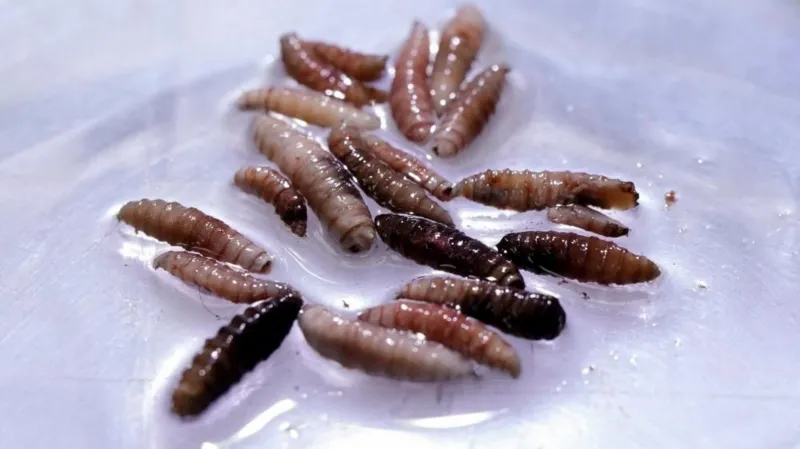
The New World Screwworm is regarded as one of the most destructive livestock parasites in the world. Unlike ordinary maggots that feed on dead tissue, screwworm larvae attack living flesh. Female flies lay eggs in open wounds, navels of newborn animals or mucous membranes. Once hatched, hundreds of larvae burrow into living tissue, causing severe injury, infection and in many cases, death if untreated.
According to the USDA, larvae were discovered in the calf’s umbilical area during routine inspection.
The parasite has steadily advanced northward through Central America and Mexico over the past year despite ongoing containment efforts. U.S. authorities say aggressive surveillance and border-control measures delayed its arrival by approximately twelve months.
To contain the outbreak, federal and Texas state authorities have established a 20-kilometre detection and quarantine zone around the affected area. Livestock movement within the region will be closely monitored to prevent further spread.
Agricultural experts warn that an uncontrolled outbreak could significantly affect cattle production, reduce herd sizes and drive up beef prices across the country.
“The movement of infected animals remains the primary method through which the parasite spreads,” officials noted, stressing the need for heightened vigilance among ranchers and veterinarians.
As part of containment efforts, the USDA plans to deploy millions of sterile screwworm flies. The technique, which previously eradicated the parasite from North America, works by releasing sterilised male flies that mate with wild females. Because female screwworms mate only once in their lifetime, the resulting eggs fail to hatch, gradually collapsing the pest population.
U.S. Agriculture Secretary Brooke Rollins said emergency response teams have already been deployed to South Texas to support surveillance and containment operations.
She urged livestock producers to promptly report suspicious wounds or unusual infestations in animals.
However, Texas Agriculture Commissioner Sid Miller criticised the federal response, arguing that authorities relied too heavily on long-term sterile-fly strategies instead of deploying a broader range of preventive measures earlier.
Although the parasite can also infect pets and humans, health experts say the risk to people remains relatively low. Human infections are rare and the parasite poses no food safety threat to consumers.
For now, officials say the situation remains under control, but continued monitoring will be critical to preventing a wider outbreak that could threaten the U.S. livestock industry.
Written by
Our Reporter
SkyHigh NewsHub correspondent.