
US Moves to Impose New Tariffs on 60 Economies Over Forced Labour Concerns
By SKYHIGHNEWSHUB · 03/06/2026 10:30 AM · 2 min read
The United States Trade Representative (USTR) has proposed fresh tariffs on 60 economies accused of failing to adequately address the importation of goods allegedly produced through forced labour.
The proposed duties, ranging from 10 to 12.5 per cent, were announced on Tuesday as part of the Trump administration’s broader effort to reshape its trade agenda following a series of legal and policy challenges.
According to a government filing, the proposed measures will undergo a public consultation process before a final decision is reached.
The action follows months of investigations conducted by Washington into several major trading partners, including China, the European Union and Japan, to determine whether they had implemented and enforced effective restrictions against the importation of goods linked to forced labour practices.
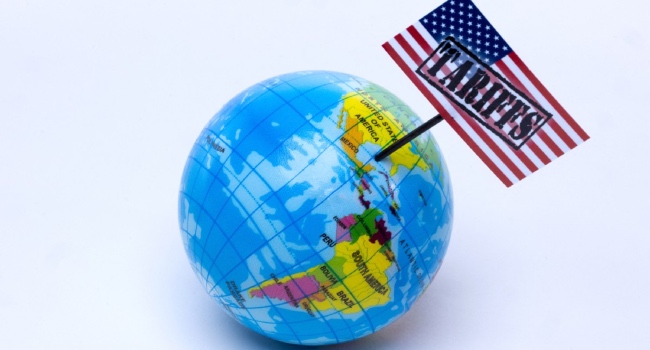
The USTR said 54 economies failed to establish or effectively enforce import prohibitions on products made with forced labour. Countries listed in that category include China, Vietnam, Taiwan and the United Kingdom.
Six additional economies, Canada, Ecuador, the European Union, Indonesia, Mexico and Pakistan were also cited for allegedly failing to effectively enforce existing prohibitions.
U.S. Trade Representative Jamieson Greer defended the proposed measures, arguing that inadequate enforcement creates unfair economic conditions for American workers and manufacturers.
“The failure of our most important trading partners to address the importation of goods made with forced labour is unacceptable,” Greer said.
He added that such practices force American workers to compete in an uneven global marketplace.
However, the proposed tariffs include several exemptions covering selected agricultural products, including beef, coffee, fruits and nuts.
Trade analysts say the move could trigger diplomatic tensions and potentially affect global supply chains, particularly if major trading partners retaliate with their own trade measures.
The development marks the latest chapter in Washington’s increasingly aggressive approach to trade enforcement and labour standards under the Trump administration.
Written by
SkyhighNewshub
SkyHigh NewsHub correspondent.