
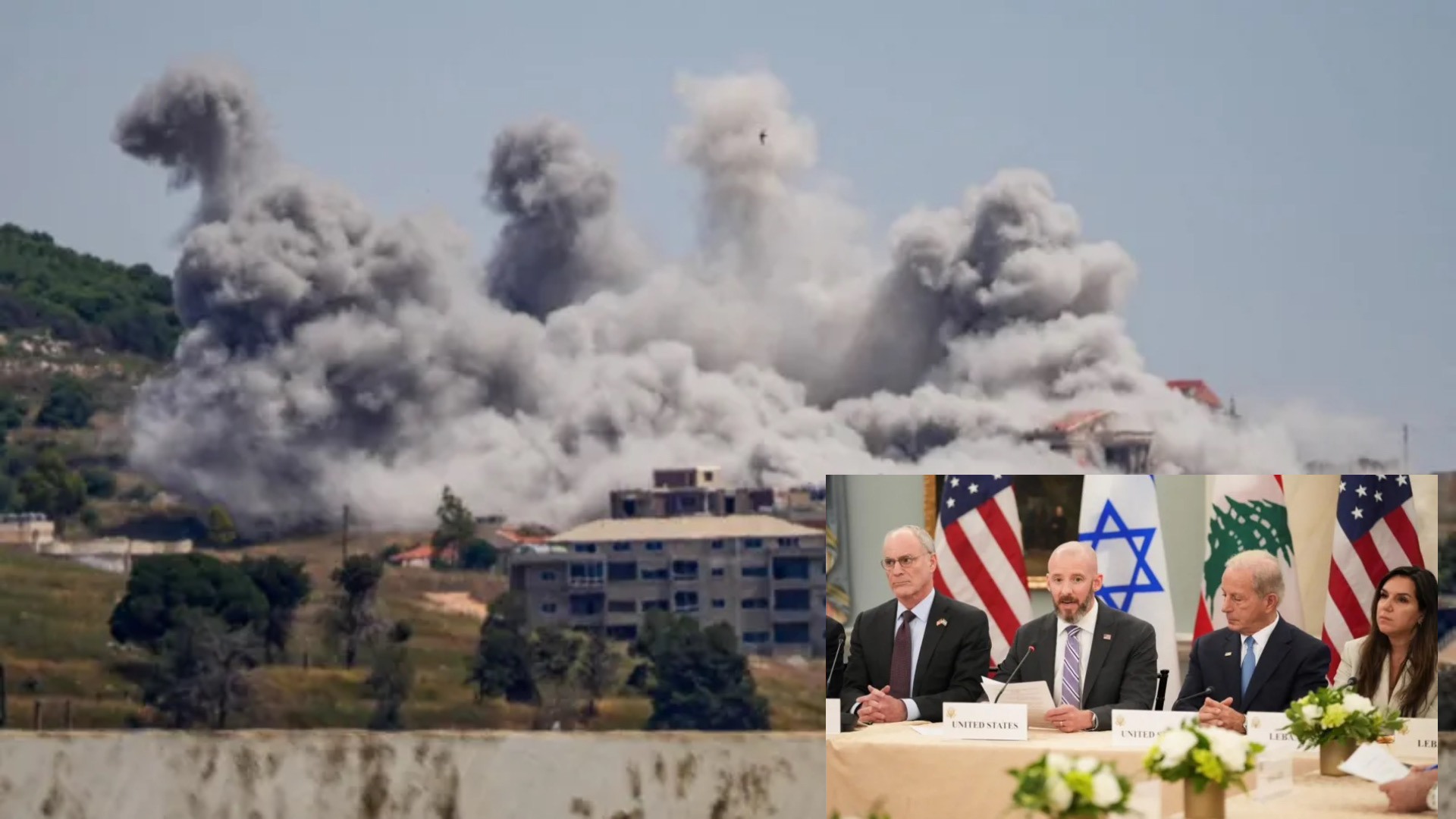
Israel, Lebanon Agree New Ceasefire Framework as Hezbollah Attacks Persist
By OUR REPORTER · 04/06/2026 8:54 AM · 3 min read
Israel and Lebanon have agreed to implement a renewed ceasefire framework aimed at reducing hostilities along their volatile border, as diplomatic efforts intensify to prevent the wider regional conflict from spiralling further out of control.
The agreement, announced by the U.S. State Department following a fourth round of negotiations in Washington, is designed to reinforce a fragile truce that has repeatedly come under strain from continued military exchanges involving the Iran-backed Hezbollah movement.
Under the arrangement, Israel and Lebanon have committed to a series of security measures, including the creation of pilot security zones inside southern Lebanon where Hezbollah operatives would be prohibited from operating.
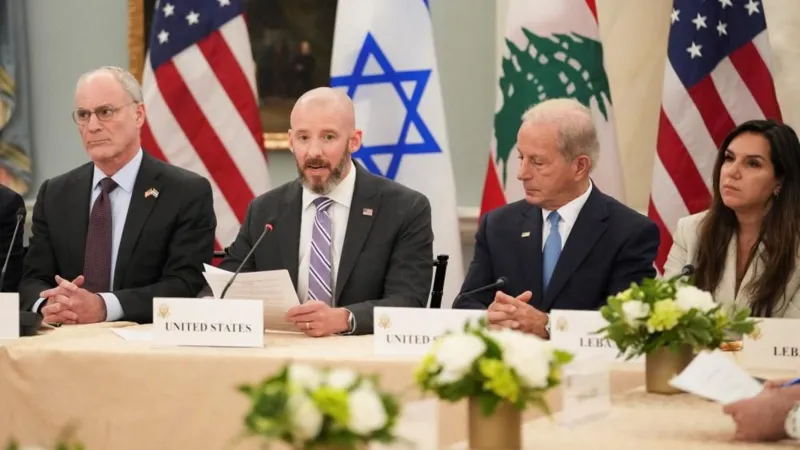
The deal is contingent upon what U.S. officials described as a “complete cessation” of attacks by Hezbollah and the withdrawal of the group’s fighters from areas stretching between the Litani River and the Israeli border.
American officials said the United States would assist in overseeing the implementation of the agreement and support efforts to strengthen the role of the Lebanese Armed Forces as the sole security authority within the designated zones.
The announcement comes after renewed violence threatened to derail an earlier ceasefire reached just days ago.
Lebanese authorities reported that Israeli air strikes killed at least nine people in southern Lebanon on Wednesday, while Hezbollah acknowledged launching rockets toward northern Israel in response.
The exchanges underscored the fragility of a conflict that has increasingly become intertwined with broader tensions involving Iran, Israel and the United States.
In a joint statement, the parties stressed their opposition to any attempt by state or non-state actors to undermine Lebanon’s sovereignty or destabilise the country’s future.
Although the framework has received backing from Washington, uncertainty remains over Hezbollah’s willingness to comply.
While the Lebanese government said the group had accepted aspects of the arrangement, Hezbollah officials have publicly distanced themselves from the negotiations.
Mahmoud Qamati, a member of Hezbollah’s political council, said the organisation does not recognise decisions emerging from talks held between Lebanese and Israeli representatives.
“We reject these negotiations in principle,” he said.
The latest agreement builds upon a limited ceasefire announced earlier in the week under which Israel agreed to refrain from large-scale strikes on Beirut, particularly in the southern suburbs known as Dahieh, in exchange for a halt to Hezbollah attacks.
Israeli officials have nevertheless warned that military operations will continue if cross-border attacks resume.
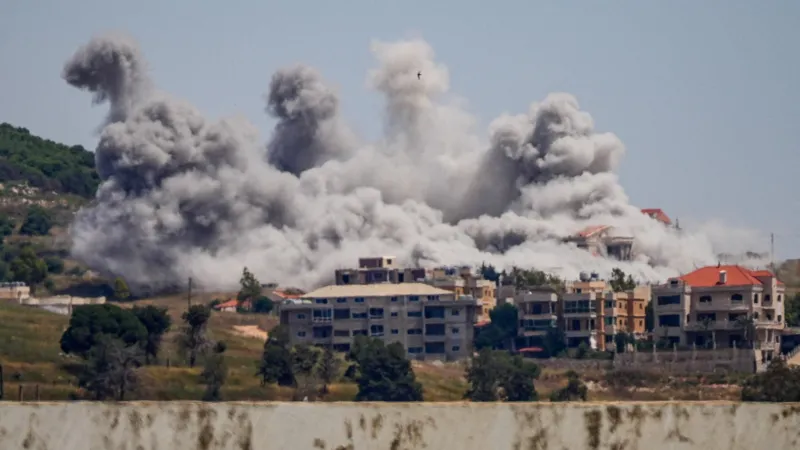
Before the agreement was announced, Israeli leaders reiterated that any future rocket attacks from Lebanon could trigger renewed strikes against Hezbollah strongholds near the capital.
The conflict has exacted a devastating humanitarian toll.
According to Lebanese authorities, more than 3,500 people have been killed since hostilities intensified, while over one million people have been displaced from their homes.
Israeli officials say dozens of soldiers and civilians have also been killed during the fighting.
The violence has placed enormous pressure on diplomatic efforts aimed at securing a broader regional settlement.
U.S. Secretary of State Marco Rubio said Washington hopes the latest framework will create a pathway toward lasting stability in Lebanon independent of Hezbollah’s military influence.
The next round of talks is scheduled for June 22, when negotiators will seek to transform the temporary arrangement into a more comprehensive and durable ceasefire.
Regional observers caution that while the agreement offers a rare diplomatic opening, its success will depend heavily on compliance by armed groups and restraint by all parties involved.
Given the repeated collapse of previous ceasefires, many residents on both sides of the border remain cautiously hopeful but deeply sceptical that peace will hold.
Written by
Our Reporter
SkyHigh NewsHub correspondent.