
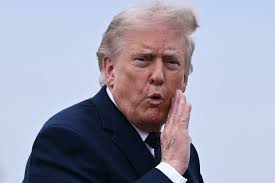
Trump Says US-Iran Deal Near Completion Amid Hormuz Talks
By OUR REPORTER · 24/05/2026 6:18 AM · 2 min read
In a major geopolitical shift, US President Donald Trump has officially announced that a comprehensive diplomatic agreement between the United States and Iran is now "largely negotiated," signaling a massive breakthrough in easing dangerous military tensions across the Middle East.
The emerging international accord aims to immediately reopen the strategic Strait of Hormuz, which has faced severe structural disruptions, naval blockades and targeted kinetic attacks since the initial outbreak of the 2026 Iran conflict earlier this year. Disclosing the sensitive diplomatic details during a press briefing on Saturday, President Trump indicated that while the overarching architectural framework of the peace deal has been successfully established, final micro-details are still being actively ironed out behind closed doors.
The proposed agreement represents a critical relief valve for the global economy. Located between Iran and Oman, the Strait of Hormuz is widely regarded as the most volatile and economically vital maritime chokepoint on Earth, serving as the primary transit highway for a massive percentage of the planet's daily petroleum and liquefied natural gas supplies. The closure of the route had sparked widespread international panic over energy insecurity, soaring shipping insurance premiums and volatile global oil price spikes.
President Trump revealed that the successful negotiation track required an exhaustive, multi-nation diplomatic campaign spanning several months.
"An agreement has been largely negotiated, subject to finalisation," Trump declared to reporters, noting that the full, unredacted details of the landmark arrangement would be formally unveiled to the global public shortly.
The complex negotiation matrix involved direct consultations with key regional powerbrokers, including the heads of state of Saudi Arabia, the United Arab Emirates, Qatar, Turkey, Egypt, Jordan and Bahrain. Crucially, President Trump held standalone, high-level discussions with top Israeli officials to align security parameters, while the government of Pakistan reportedly stepped in to play a pivotal, highly confidential mediation role between Washington and Tehran to prevent the conflict from devolving into an all-out regional war.
According to preliminary intelligence leaks regarding the text, the final treaty will likely center around three main pillars:
An immediate, formal declaration bringing a definitive end to active naval and aerial hostilities in the Gulf.
The unhindered reopening of all international maritime shipping lanes cutting through the Strait of Hormuz.
The establishment of a phased, long-term negotiation framework to address broader bilateral disputes, including nuclear enrichment and regional proxy networks.
Despite the optimistic tone broadcast by the White House, the diplomatic apparatus in Tehran has maintained a highly cautious public posture. Iranian state officials confirmed that while discussions have progressed significantly, final approval remains contingent upon securing ironclad guarantees regarding the systematic rollback of crippling economic sanctions and verifiable defense assurances against future foreign intervention.
Written by
Our Reporter
SkyHigh NewsHub correspondent.