
‘Crazy’ Call: Trump and Netanyahu Clash Over Lebanon War Escalation
By OUR REPORTER · 04/06/2026 9:12 AM · 3 min read
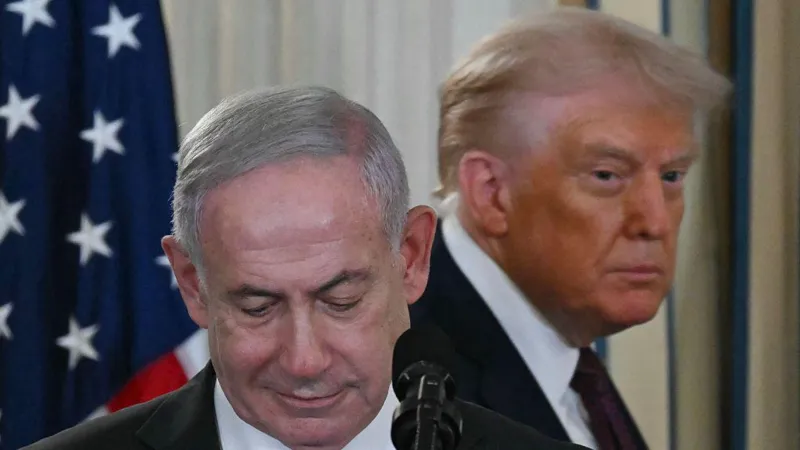
Fresh signs of tension have emerged between U.S. President Donald Trump and Israeli Prime Minister Benjamin Netanyahu, raising concerns about the future of Washington’s diplomatic efforts to end the conflict with Iran and stabilize the wider Middle East.
The latest strain in the relationship followed reports that Trump sharply criticised Netanyahu during a recent phone conversation over Israel’s continued military operations in Lebanon, which have complicated ongoing negotiations involving Iran.
Speaking during an interview on the Pod Force One podcast, Trump appeared to confirm reports that he had used strong language while discussing Israel’s actions with the Israeli leader.
“I was a little perturbed at his constantly fighting with Lebanon,” Trump said, while emphasizing that he still maintained a good working relationship with Netanyahu.
“I like Bibi a lot. We work very well together,” he added.
The exchange came at a delicate moment for U.S. diplomacy.
Washington has been working to consolidate a ceasefire with Iran and revive discussions surrounding Tehran’s nuclear programme, while also seeking to prevent the conflict from spreading further across the region.
However, continued Israeli military operations against Hezbollah in Lebanon have complicated those efforts.
Iran has repeatedly warned that any broader ceasefire arrangement must also include Lebanon, making Israel’s campaign against Hezbollah a key obstacle to negotiations.
The disagreement underscores a familiar challenge for successive American administrations.
Over the years, Netanyahu has developed a reputation for pursuing Israeli security objectives even when they diverge from Washington’s immediate diplomatic priorities.
Analysts say Trump’s frustration reflects growing concern that Israel’s military actions could undermine hard-fought diplomatic gains.
Foreign policy observers note that while both leaders remain aligned on preventing Iran from acquiring nuclear weapons, they appear to differ on how aggressively Israel should pursue military operations elsewhere in the region.
The timing is also politically sensitive for Trump.
Public support for U.S. involvement in Middle East conflicts has weakened significantly, while criticism of Washington’s relationship with Israel has intensified among both progressive Democrats and some conservative voices.
Recent opinion surveys suggest that American public attitudes toward Israel have become increasingly divided, particularly following years of conflict across Gaza, Lebanon and Iran.
Despite the apparent friction, Netanyahu sought to downplay reports of a serious dispute.
Speaking to CNBC, the Israeli Prime Minister described the disagreement as a normal difference of opinion between close allies.
“Like the best families, sometimes we have tactical disagreements,” Netanyahu said.
“We always find a way to resolve them.”
Nevertheless, diplomatic observers believe the reported confrontation may signal broader tensions beneath the surface of a relationship that has largely been characterised by close cooperation.
Whether the disagreement proves to be a temporary dispute or a sign of deeper strategic differences could become clearer in the coming weeks as negotiations involving Iran continue.
For now, Washington faces the delicate task of balancing its alliance with Israel against its desire to secure a broader regional settlement capable of ending one of the most dangerous conflicts in the Middle East in recent years.
Written by
Our Reporter
SkyHigh NewsHub correspondent.