

Telegram Challenges India's Ban Over Medical Exam Leak Fears
By OUR REPORTER · 17/06/2026 1:27 PM · 3 min read
Telegram has launched a legal challenge against the Indian government's decision to temporarily block access to the messaging platform, escalating a dispute linked to one of the country's biggest education scandals.
The company approached the Delhi High Court on Wednesday, seeking urgent intervention after authorities imposed restrictions on the app over concerns that it had been used to distribute leaked examination materials ahead of the rescheduled National Eligibility-cum-Entrance Test (NEET).
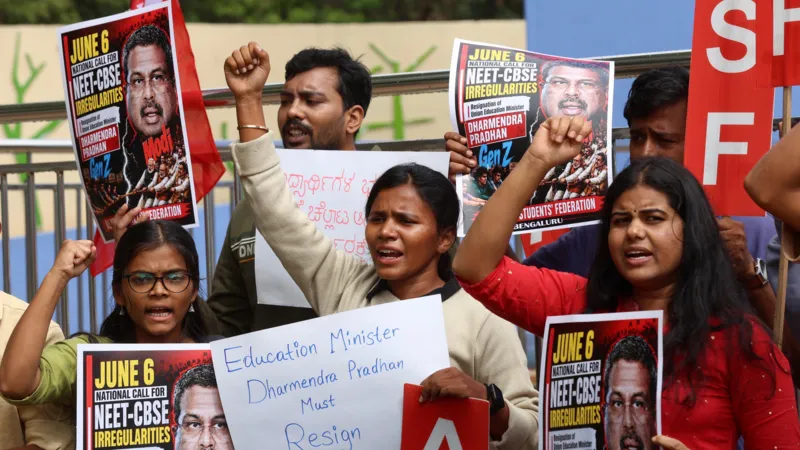
The NEET examination, India's largest medical entrance test, is taken annually by millions of students seeking admission into medical colleges. Last month's examination was cancelled after allegations that question papers had been leaked, triggering outrage among students and prompting a nationwide investigation.
The Central Bureau of Investigation (CBI) is currently probing the scandal, with more than a dozen arrests already made.
Indian authorities argue that the temporary Telegram ban is necessary to safeguard the integrity of Sunday's retest and prevent cheating syndicates from exploiting the platform.
However, Telegram founder and CEO Pavel Durov has strongly criticised the decision, describing it as ineffective and disproportionate.
In a statement posted on X, Durov said banning Telegram would do little to address the underlying problem because those responsible for the leaks would simply migrate to alternative platforms.
"Banning it, even temporarily, is a mistake," he wrote.
Durov noted that Telegram had actively cooperated with efforts to combat examination fraud by removing hundreds of channels involved in sharing leaked materials and running related scams in India.
He also said the platform was enhancing its content transparency features, including making its "edited" label more prominent to combat misinformation and document manipulation.
The Indian government invoked provisions under the country's information technology laws that permit authorities to restrict online services in the interest of national security and public order.
The National Testing Agency (NTA), which conducts the examination, defended the move, arguing that organised cheating networks had exploited Telegram to deceive candidates and compromise examination security.
At the same time, the agency acknowledged that the restrictions would inconvenience many legitimate users.
Telegram says it has more than 150 million active users in India, where the app is widely used not only for private messaging but also for educational content, professional networking and business communications.
The ban has sparked intense debate among technology experts, educators and opposition politicians.
Digital policy analyst Nikhil Pahwa questioned the logic of blocking an entire platform used by millions, noting that similar activities could easily occur on other messaging services.
Opposition leaders have also seized on the controversy, accusing the government of failing to address deeper structural problems within India's examination system.
Students remain divided. While some support tougher measures to prevent future leaks, many argue that authorities should focus on dismantling the criminal networks responsible rather than restricting access to platforms relied upon by ordinary users.
The court's ruling is expected to be closely watched, as it could shape future debates about digital regulation, examination security and online freedoms in India.
Written by
Our Reporter
SkyHigh NewsHub correspondent.