
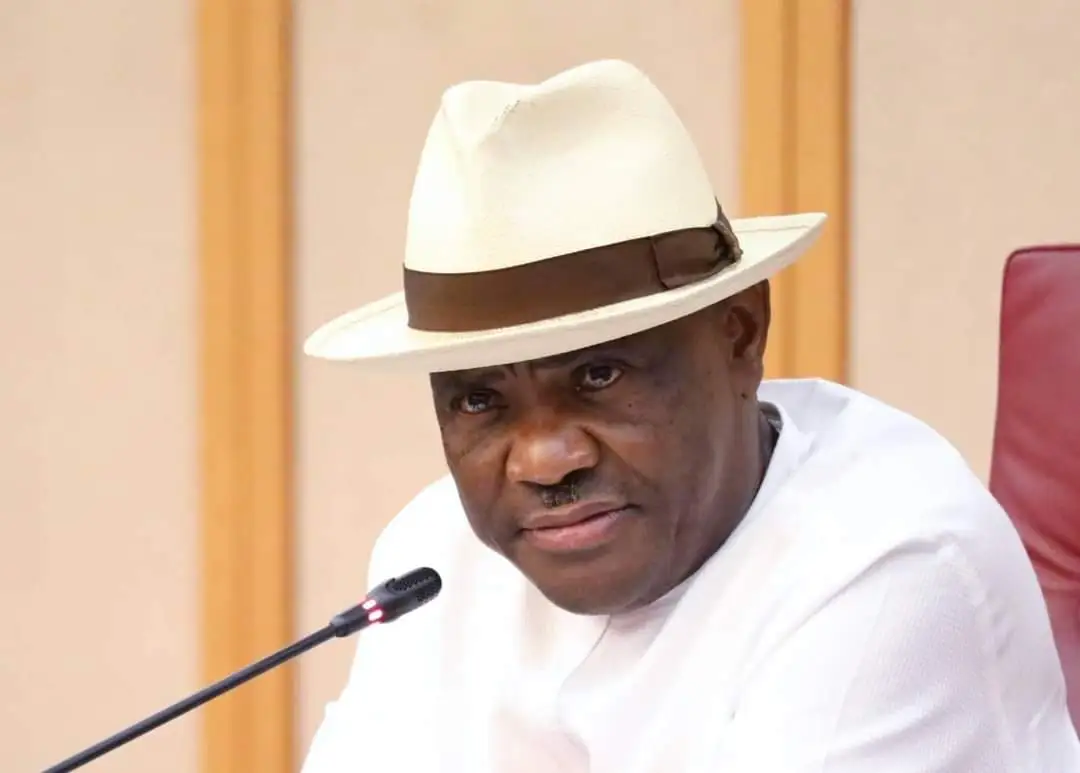
Secret To Wike’s Political Relevance
By ENYINNAYA APPOLOS · 04/06/2026 12:36 PM · 6 min read
In the dynamic and often unpredictable world of Nigerian politics, few figures command as much attention, influence, and intrigue as Nyesom Wike. The former Governor of Rivers State and current Minister of the Federal Capital Territory (FCT) is a man of many dimensions, both feared and respected, deeply strategic yet unwaveringly principled. While he is often perceived as a tough and confrontational politician, there is another side to Wike’s politics: a leader who values loyalty, fairness, and political morality.
Wike has been politically active since 1999, when he was elected Chairman of Obio/Akpor Local Government Area of Rivers State, a position he held for eight years. He later served as Chief of Staff to the Governor of Rivers State, then as Minister of Education, before becoming Governor of Rivers State for two terms. Now, he is the first Minister of the FCT from southern Nigeria. His journey has not just been about holding positions; he has actively shaped political events and policies in the country.
There must be something about him that has kept him politically relevant for over two decades. Many of his contemporaries, whether as local government chairmen, chiefs of staff, ministers under President Goodluck Jonathan, or even governors, have faded into obscurity. Yet, Wike has remained a formidable force, navigating the political landscape with remarkable impact and efficiency.
One of the defining aspects of Wike’s political persona is his commitment to agreements. In an era where betrayals and shifting alliances are commonplace, he stands out as a politician whose word carries weight. For him, a political understanding, whether verbal or documented, is binding. This belief informs his popular phrase: “agreement is agreement.” Once he makes a commitment, he follows through, regardless of changing circumstances. This consistency has earned him respect across political circles, as allies and even adversaries recognize that a deal with Wike is a deal that will be honored.
Unlike many Nigerian politicians who intertwine their families with their political careers, appointing relatives to key positions or allowing spouses and siblings to wield influence, Wike has drawn a clear line between his personal and political life. His parents, wife, siblings, and children remain entirely separate from his political activities. This is not accidental but a deliberate choice. He understands the dangers of having family members entangled in the political arena, where they could be exploited by associates or political hangers-on seeking undue advantages. By keeping his family insulated, he ensures that his political decisions are based on principles, not personal pressures.
The reality is that the moment a political leader fails to maintain full control and separate his family from his political circle, conflicts inevitably arise. These issues often originate from within the family, as relatives are more susceptible to political gossip and external influences that can strain relationships with associates. Wike, however, maintains absolute control on all fronts, ensuring that his political decisions are insulated from personal interference.
This approach is rare in a political system dominated by dynastic tendencies, where politicians use their families as extensions of their power. Yet, Wike has maintained this discipline. As a result, few people even know that his parents are alive. His wife, a respected judge, has remained largely outside the glare of political activities, and his children, who study abroad, are rarely in the public eye. Despite being active in politics for over two decades, Wike has managed to keep his personal life free from scandal.
His loyalty to his political associates is equally remarkable. Wike does not use and discard his allies. He is a man who protects his own, standing firmly by those who stand by him. He remains committed to his political allies, supporting them in both good and difficult times. For him, loyalty is a two-way street, he offers unwavering support and expects the same in return. His allies know that once they have his backing, he will go to great lengths to defend their interests.
However, this loyalty is not unconditional. While he supports those in his camp, he also demands dedication and accountability. For Wike, political betrayal is one of the gravest offenses, and he does not easily forgive or forget. Even after reconciliation, he remains wary of those who have once turned against him. In his political philosophy, trust, once broken, is nearly impossible to rebuild.
Despite his aggressive political style, Wike is a firm believer in fairness and political morality. His approach to governance reflects a deep sense of balance and justice. He champions inclusivity and equitable power distribution, ensuring that different interests within the political system get their fair share. His well-known principle of “enye ndi ebea, enye ndi ebea” (give to this side, give to that side) speaks to his commitment to equity. He does not believe in monopolizing political power or suppressing opposition voices unfairly. He also strongly believes in political mentorship, ensuring that younger politicians learn the ropes of leadership through practical experience.
Yet, his sense of fairness should not be mistaken for weakness. Wike views politics as a serious enterprise that must be approached with precision and vigilance. He does not tolerate half-hearted commitment, and those who align with him must be ready to match his dedication. He expects his political associates to be as resolute and committed as he is, treating every political engagement with the seriousness it deserves.
For Wike, politics is not a game, it is a battlefield. He sees political opponents not just as rivals but as real adversaries who must be confronted head-on. This battle-ready mindset explains why he is often viewed as combative and unyielding. He does not engage in passive politics or adopt diplomatic neutrality when his interests are at stake. Instead, he fights with relentless vigor, ensuring that his allies and political structures remain intact.
This also explains why, when political agreements are not honored, Wike does not take it lightly. When he feels cheated, he does not suffer in silence. Instead, he takes his grievances to the public, making it clear that he has been politically shortchanged. His reactions are often dramatic, loud, and uncompromising, fighting back like a wounded lion determined to reclaim what he believes is rightfully his.
Nyesom Wike is not just another Nigerian politician, he is a man of conviction, strategy, and discipline. His politics may be intense, but it is deeply rooted in loyalty, fairness, and moral principles. He does not mix family with politics, does not entertain betrayal, and remains unwavering in his commitments.
To those who understand him, Wike is a rare breed in Nigerian politics, a leader who plays by his own rules and does so with absolute commitment. Love him or hate him, one thing is certain: he is a man who values trust, rewards loyalty, and fiercely defends what he believes in.
According to those close to him, nothing hurts Wike more than political betrayal, especially from those he trusted deeply. But behind his fierce political persona lies a man who is humble, respectful, and deeply protective of his family and associates. Beneath the warrior is a leader guided by a strong sense of duty, fairness, and principle. Indeed, Wike is an enigma who requires an in-depth understanding.
Written by
Enyinnaya Appolos
SkyHigh NewsHub correspondent.