
FG Bans Okada, Tricycles on Lagos-Calabar Coastal Highway
By OUR REPORTER · 29/06/2026 12:26 PM · 2 min read
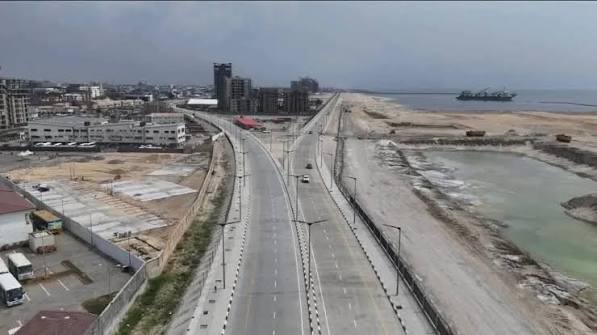
The Federal Ministry of Works has announced a ban on commercial motorcycles, popularly known as okada, and tricycles, commonly called keke, from operating on the Lagos-Calabar Coastal Highway as part of new measures to protect the multibillion-naira infrastructure.
The restriction, which takes effect this week, was announced on Sunday in a statement issued by the Federal Controller of Works in Lagos State, Olufemi Dare.
According to Dare, the decision was taken to safeguard the newly constructed superhighway from misuse, prevent premature deterioration and preserve the road for long-term public use.
He said the ministry is committed to maintaining the highway as a world-class transport corridor that meets international standards.
In addition to the ban on commercial motorcycles and tricycles, the ministry also prohibited the indiscriminate parking of trucks and articulated vehicles along the coastal highway and on bridges across Lagos State.
Dare further warned against the illegal dumping of refuse along highway corridors, describing the practice as unacceptable and detrimental to public infrastructure.
He said enforcement would be strict, adding that road signs highlighting the new restrictions have already been installed at strategic points along the highway.
The Federal Controller disclosed that task force personnel would also be deployed to monitor compliance and enforce the regulations.
"The Lagos-Calabar Coastal Highway is a world-class infrastructure that requires proper maintenance and protection," Dare said.
He urged motorists, commercial transport operators and other road users to comply fully with the directives, stressing that protecting the highway would prolong its lifespan, enhance road safety and preserve its value for Nigerians.
The Lagos-Calabar Coastal Highway is one of the Federal Government's flagship infrastructure projects designed to improve connectivity, boost economic activities and enhance transportation along Nigeria's southern coastline. The ministry said the new restrictions form part of broader efforts to ensure the highway remains safe, functional and well maintained for years to come.
Written by
Our Reporter
SkyHigh NewsHub correspondent.