
FG Signals Review of N70,000 Minimum Wage as Economic Pressures Mount
By OUR REPORTER · 25/06/2026 7:02 PM · 3 min read
The Federal Government has indicated that it may review the N70,000 national minimum wage, acknowledging that rising living costs have altered the economic realities that informed the wage increase introduced less than two years ago.
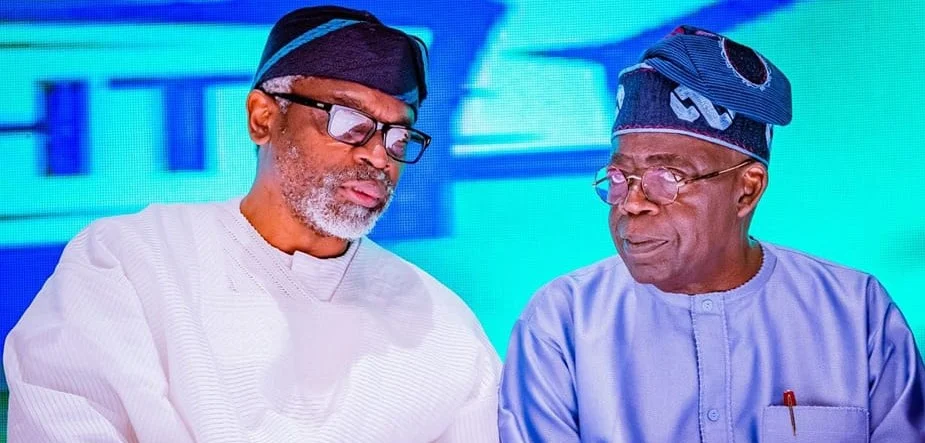
Chief of Staff to the President, Femi Gbajabiamila, disclosed this on Thursday at the Good Governance Summit 2026 organised by Working People United (WoPU) in Abuja.
Gbajabiamila said the administration remains mindful of the economic pressures facing Nigerian workers and recognises the need for wages to keep pace with prevailing conditions.
He recalled that President Bola Tinubu signed the National Minimum Wage Act into law in July 2024, increasing the minimum wage from N30,000 to N70,000 and reducing the review cycle from five years to three years.
According to him, the decision to shorten the review period was aimed at ensuring workers earnings remain more responsive to changing economic circumstances.
“This administration has delivered a new national minimum wage. In July 2024, President Bola Tinubu signed into law a minimum wage of N70,000, more than double the N30,000 workers had endured for years.
“Recognising that the cost of living does not stand still, the President reduced the statutory review cycle from five years to three years, so that wages may keep closer pace with economic reality,” Gbajabiamila said.
He noted that while the N70,000 wage represented a major milestone when it was introduced, current realities require an honest reassessment of its adequacy.
“The N70,000 wage, which was a milestone in 2024, must be honestly reassessed against today's realities. I can confirm that when the time comes to begin the process of reviewing the national minimum wage, this administration will approach that endeavour not as an adversary of labour, but as a partner,” he added.
Gbajabiamila also urged organised labour to maintain constructive engagement with government, stressing that dialogue and cooperation remain the most effective path to achieving sustainable outcomes for workers and the broader economy.
Speaking at the summit, Minister of Labour and Employment, Muhammad Dingyadi, said the true measure of governance lies in how government policies affect the lives of citizens, particularly workers.
He argued that policies must go beyond official pronouncements and deliver tangible improvements in living standards, productivity, social protection and economic opportunities.
“Governance is not merely about policies written in documents or programmes announced from government offices. The true measure of governance is the extent to which policies translate into improved livelihoods, decent work, increased productivity, social protection, economic opportunities and dignity for the working people,” Dingyadi said.
Also addressing participants, National Coordinator of Working People United, Williams Akporeha, described workers as the driving force behind national development and economic growth.
“There is no economy without the working people, there is no productivity without the working people and there is no national development without the working people,” he said.
Akporeha noted that the summit provided a platform for workers from different sectors to engage on issues affecting their welfare and contribute ideas towards national development.
The Federal Government's latest comments are likely to reignite discussions around workers welfare, particularly as inflationary pressures and rising living costs continue to impact households across the country.
Written by
Our Reporter
SkyHigh NewsHub correspondent.