
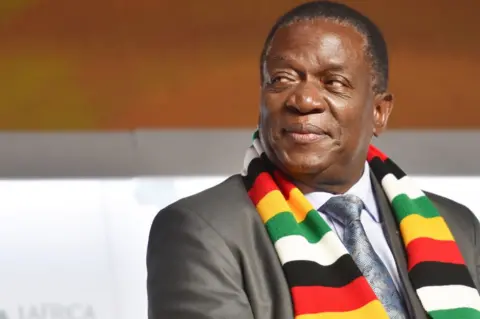
Zimbabwe Moves to Extend Presidential Rule, Delay 2028 Elections
By SKYHIGHNEWSHUB · 19/06/2026 10:26 AM · 2 min read
Zimbabwe’s lower house of parliament has approved a controversial constitutional amendment bill that would extend presidential terms from five years to seven years, potentially allowing President Emmerson Mnangagwa to remain in office until 2030.
The bill secured the backing of 216 lawmakers during Thursday’s vote, comfortably exceeding the two-thirds majority required for constitutional amendments. Forty-two legislators voted against the proposal. The legislation now proceeds to the Senate, where it is widely expected to gain approval before being sent to President Mnangagwa for assent.
One of the most significant provisions of the bill is the abolition of direct presidential elections. Under the proposed framework, future presidents would be elected by parliament rather than through a nationwide popular vote. The amendment would also extend parliamentary terms from five years to seven years and postpone elections currently scheduled for 2028 until 2030.
Mnangagwa, 83, came to power in 2017 after the military-backed removal of longtime leader Robert Mugabe. He later won presidential elections in 2018 and 2023, both of which were contested by opposition groups.
Supporters of the bill argue that longer terms would provide greater political stability and continuity in governance.
However, opposition parties, constitutional lawyers and civil society groups have strongly criticised the proposal, arguing that such far-reaching changes should be decided through a national referendum rather than parliamentary votes alone.
The debate has intensified because Zimbabwe’s 2013 Constitution introduced a two-term limit for presidents and included safeguards requiring voter approval for changes that could extend presidential tenure.
Critics say the latest amendment risks weakening democratic accountability and concentrating political power.
The development marks a major turning point in Zimbabwe’s political landscape and is likely to fuel further debate over governance, constitutional reform and the future direction of the country’s democracy.
Written by
SkyhighNewshub
SkyHigh NewsHub correspondent.