
US-Iran Conflict Escalates Into Seventh Night as Tehran Strikes Military Sites Across Gulf, Threatens ‘Full-Scale Offensive’
By OUR REPORTER · 18/07/2026 7:46 AM · 5 min read
The conflict between the United States and Iran intensified further on Saturday as both sides exchanged fresh attacks for the seventh consecutive night, pushing the Middle East closer to a broader military confrontation.
Iran announced that it had launched strikes against American military-linked sites in Kuwait, Jordan and Bahrain after a new wave of US attacks on Iranian targets, while Washington said its operations were designed to continue weakening Iran’s military capabilities.
The latest escalation represents the most serious phase of hostilities since the conflict resumed on February 28 following deadly US-Israeli strikes on Iran. Tehran responded by targeting Israel and American interests across the Gulf while restricting traffic through the strategically important Strait of Hormuz.
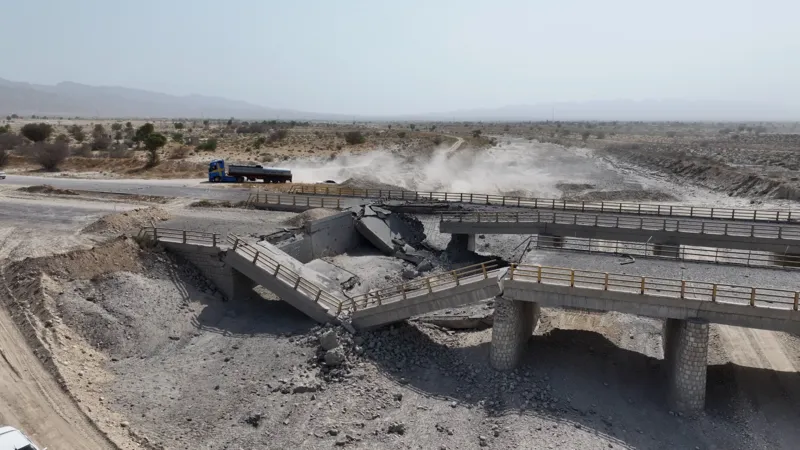
Iranian authorities have accused the United States of expanding its strikes beyond military targets, alleging that American forces hit civilian infrastructure, including an airport, a railway station and two bridges.
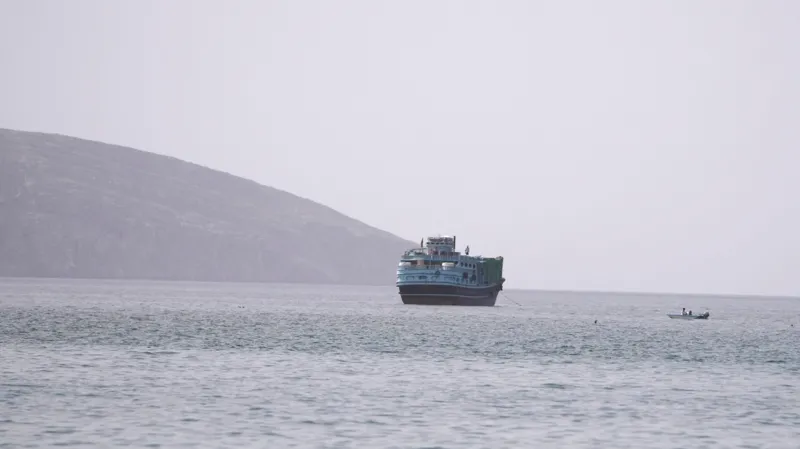
The Iranian Revolutionary Guards also claimed that two oil tankers directed by what it described as “deceptive American intelligence agencies” exploded after striking mines in the Strait of Hormuz, an allegation quickly rejected by the US military.
The Guards further claimed that four ships attempting to pass through the critical waterway had been stopped.
A senior military adviser to Iran’s Supreme Leader, Major General Mohsen Rezaei, warned that Tehran would move beyond limited retaliation if American strikes continued.
According to Iran’s state broadcaster IRIB, Rezaei said Iran would resume “full-scale offensive operations” if US attacks continued for another two or three days.
“Iran will no longer limit itself to retaliatory, like-for-like responses… and no political border will be safe,” he said.
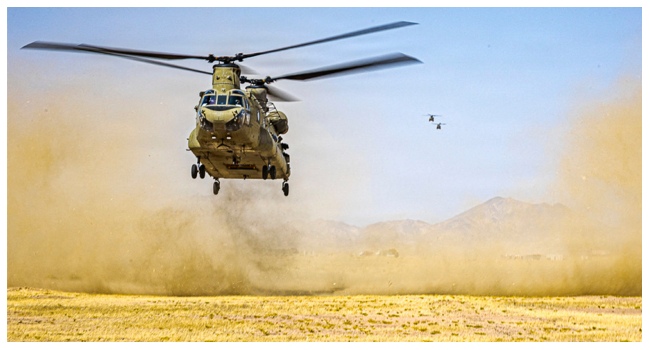
The United States Central Command confirmed that American forces carried out further attacks against Iran, saying the operations were intended to “continue degrading Iranian military capabilities.”
President Donald Trump had previously warned that Iranian infrastructure could become a target, although Washington has not confirmed carrying out attacks on civilian facilities.
Iran said the latest American strikes killed three people and injured eight others in Hormozgan Province, according to state news agency IRNA.
Tehran also announced that it had targeted several locations linked to US military operations in the region.
Iranian state media reported that attacks were launched against facilities in Kuwait, including an ammunition depot at Al-Adiri Camp, headquarters buildings and ammunition storage areas at Ali Al-Salem base, as well as military communication facilities.
In Jordan, Iran said it targeted fuel storage facilities at the Al-Azraq military base, while in Bahrain it claimed to have attacked Sheikh Isa Air Base, which it described as a major US operational and logistical centre.
Jordan’s military said it intercepted 10 Iranian missiles during the attacks, adding that there were no casualties or damage.
Bahrain’s Interior Ministry also confirmed that air raid sirens were activated as authorities responded to the threat.
The conflict has also placed pressure on regional infrastructure.
Iran accused the US of striking power facilities and desalination plant equipment in southern Iran, claiming that several villages experienced disruptions to water supplies.
Iran’s Energy Ministry urged citizens to reduce electricity consumption and avoid unnecessary use of air conditioning as the country’s power network faced increased pressure.
Kuwait, where Iran claimed to have targeted American military facilities, said an Iranian attack damaged a power and water facility. The Kuwaiti military also reported that several personnel were wounded after Iranian drones targeted military locations.
Iranian forces further claimed attacks against US radar installations in Qatar, Oman and the Al-Tanf military base in Syria.
Qatar said it intercepted a missile attack, while a Syrian military source denied reports that Al-Tanf had been targeted. US officials said American forces had withdrawn from the base earlier this year.
The fighting has also spread into Iraq’s Kurdistan region, where drone and rocket strikes killed nine members of an Iranian Kurdish opposition group on Friday.
The exiled Komala Party of Iranian Kurdistan blamed Iran for the attack.
The humanitarian impact of the conflict continues to grow. Iran’s Health Ministry said at least 38 people have been killed and more than 400 wounded since fighting resumed, although the figures have not been independently verified.
International efforts to de-escalate the crisis have intensified, with China and Pakistan calling on both Washington and Tehran to end the fighting and return to negotiations.
Middle East analyst David Khalfa of the Jean-Jaurès Foundation said the conflict was increasingly drawing strategic infrastructure into the battlefield, creating a dangerous situation where neither side appeared willing to compromise.
“The paradox is that, while the conflict continues to escalate, neither side has a strategic interest in allowing this dynamic to continue. Yet both perceive any compromise as a form of capitulation,” Khalfa told AFP.
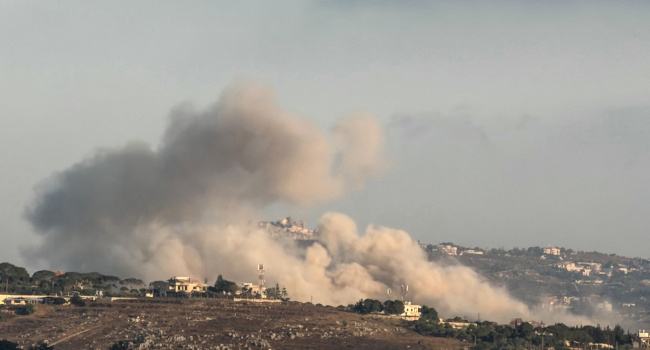
With both countries continuing military operations and diplomatic efforts yet to produce a breakthrough, fears are mounting that the confrontation could expand beyond the current battlefield and pull more countries into the crisis.
AFP
Written by
Our Reporter
SkyHigh NewsHub correspondent.