
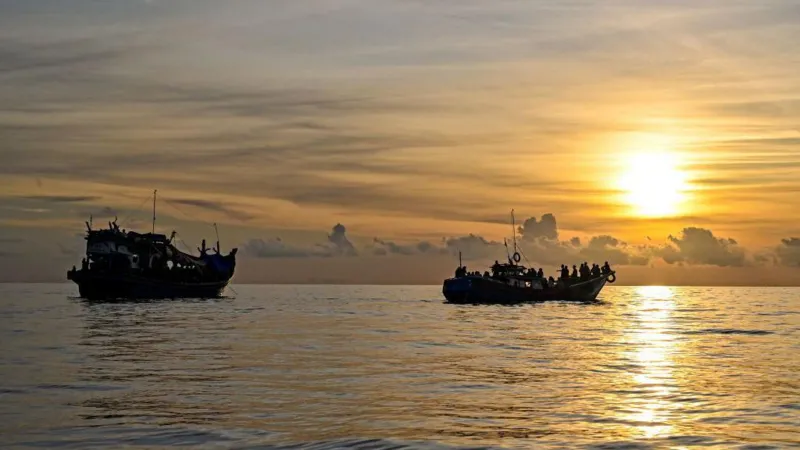
More Than 500 Rohingya Feared Dead After Two Refugee Boats Vanish At Sea
By OUR REPORTER · 17/07/2026 11:45 AM · 3 min read
More than 500 Rohingya asylum seekers are feared dead after two overcrowded boats carrying an estimated 530 people disappeared while attempting to flee Myanmar, in what could become one of the deadliest maritime disasters involving the persecuted minority in recent years.
The two vessels reportedly departed Myanmar's conflict-ridden Rakhine State on June 29 but have not been heard from since, raising growing fears that both boats capsized in rough monsoon seas.
Human rights campaigners believe there is little chance that anyone survived the journey.
The boats are believed to have left Sin Tet Maw in Rakhine State, carrying men, women and children seeking refuge from escalating violence, persecution and worsening humanitarian conditions. Rights advocates estimate that women and children may have made up nearly half of those on board.
Chris Lewa, director of the Arakan Project, a rights organisation that monitors the situation of the Rohingya, said piecing together what happened has been extremely difficult because ongoing conflict has cut off communications across much of Rakhine State.
Despite the challenges, Lewa said information gathered from multiple contacts indicates that both boats departed on June 29, with one leaving in the morning and the other later in the day.
The vessels were reportedly heading towards southern Myanmar, where passengers would have been transferred overland through Thailand before eventually reaching Malaysia, the preferred destination for many Rohingya refugees.
Under normal circumstances, families expect to hear from relatives within a week or 10 days after departure. Nearly three weeks later, no communication has been received.
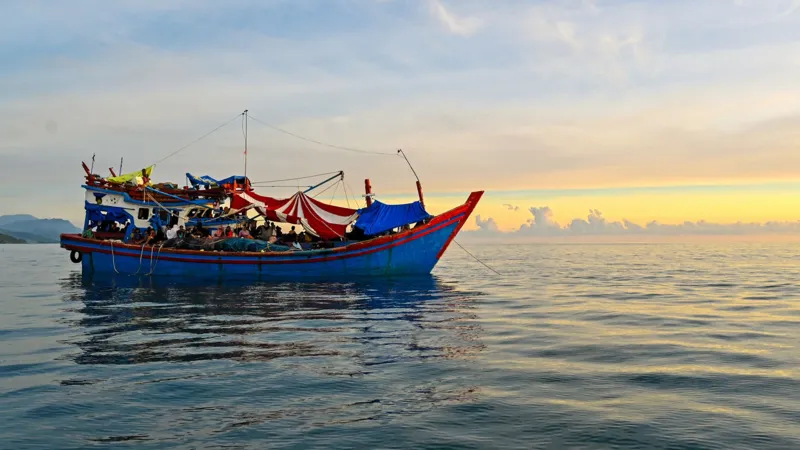
Authorities in Bangladesh have recovered the body of a woman believed to have been aboard one of the boats, while fishermen operating off Myanmar's southeastern coast reportedly found several other bodies days later.
Lewa believes the evidence strongly suggests that both vessels capsized during the journey, one shortly after leaving Rakhine State and the other several days into the voyage.
The tragedy highlights the desperate conditions facing the Rohingya, one of the world's most persecuted ethnic minorities.
More than one million Rohingya refugees remain in overcrowded camps in neighbouring Bangladesh, where humanitarian funding has declined sharply, employment opportunities are virtually nonexistent and criminal gangs have become increasingly active.
Meanwhile, an estimated 600,000 Rohingya still live in Myanmar's Rakhine State, where many remain trapped between Myanmar's military junta and the Arakan Army, an ethnic armed group that now controls much of the state.
Human rights organisations have accused both sides of abuses against the Rohingya population. The military has reportedly forced Rohingya men into conscription, while the Arakan Army has also faced allegations of mistreatment and discrimination against the minority community.
With few legal pathways to safety, thousands continue to rely on sophisticated human trafficking networks operating across Myanmar, Bangladesh, Thailand, Malaysia and Indonesia.
Smugglers reportedly charge families around $3,000 per person for the dangerous journey. Those unable to pay are often detained, beaten or subjected to other forms of abuse until relatives raise the required money.
Malaysia remains the preferred destination because of its large Rohingya community of about 200,000 people. However, increasingly strict maritime patrols have forced traffickers to adopt more dangerous routes, often using Thailand as a transit point before moving migrants across the border into Malaysia.
According to Lewa, at least 10,000 Rohingya have fled Myanmar and Bangladesh by sea since September last year, a significant increase driven by worsening conflict, persecution and deteriorating living conditions.
The United Nations has repeatedly called for safer and legal migration pathways for Rohingya refugees. However, governments across the region have remained reluctant to accept them, leaving thousands with little choice but to embark on perilous sea journeys organised by human trafficking networks.
Written by
Our Reporter
SkyHigh NewsHub correspondent.