
UK Records £16bn June Borrowing as Burnham Inherits Tough Fiscal Outlook
By OUR REPORTER · 21/07/2026 3:10 PM · 3 min read
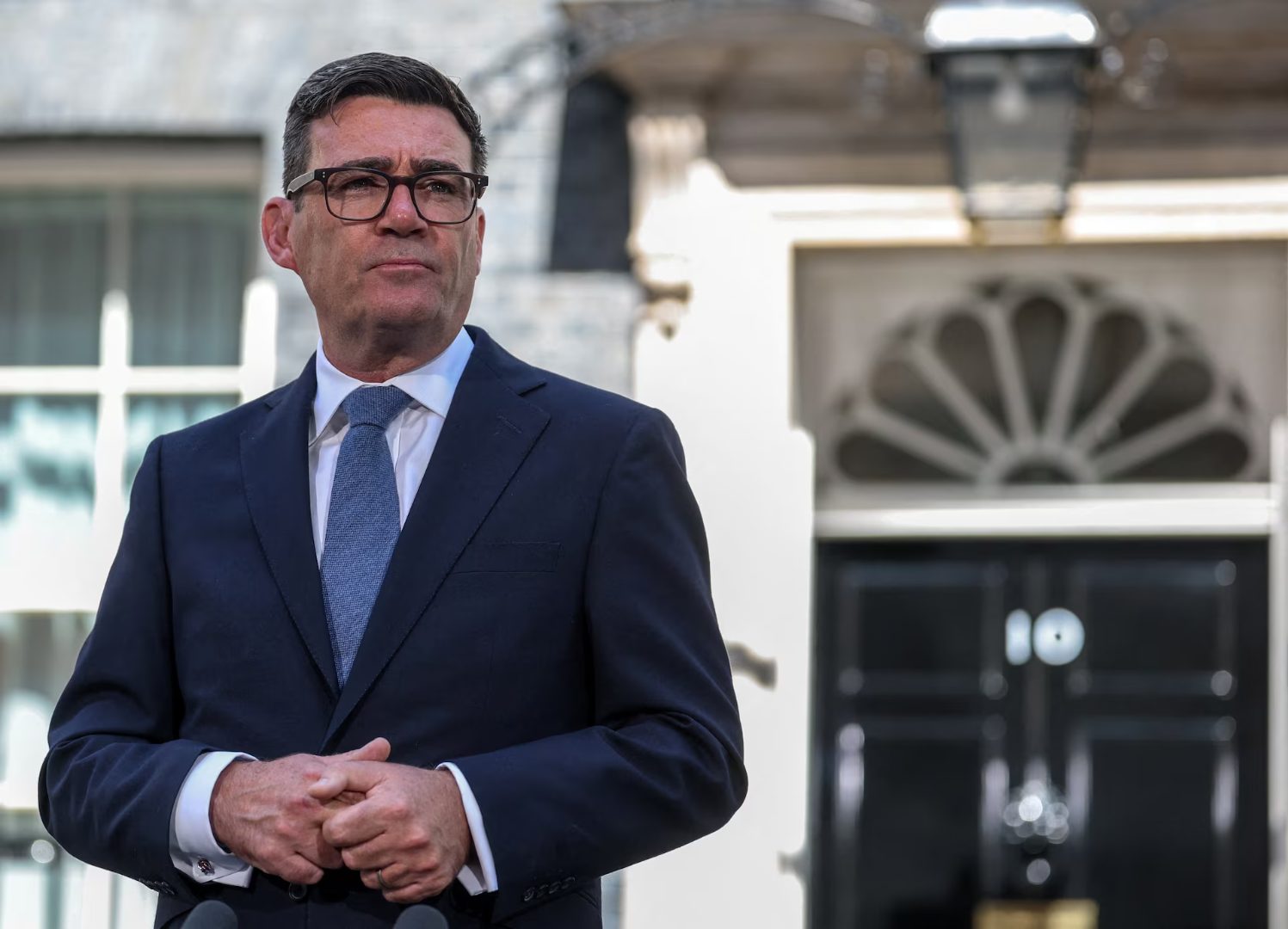
Britain’s public borrowing fell to £16 billion in June, down by about a third from the same period a year earlier, offering some relief to the country’s finances as Prime Minister Andy Burnham begins his tenure amid significant fiscal pressures.
Official figures released by the Office for National Statistics (ONS) showed that the June borrowing figure was lower than the £18 billion deficit forecast by economists in a Reuters poll.
The latest data cover the final full month before Burnham succeeded Keir Starmer as prime minister and took over responsibility for steering the UK economy through a challenging fiscal environment.
The ONS attributed the decline in borrowing to stronger tax receipts and lower government spending. The reduction was also supported by lower inflation-linked debt interest payments, although the cost of servicing the country's debt remained a major concern.
Despite the year-on-year improvement, debt-servicing costs in June were still the fourth-highest ever recorded for the month, underscoring the pressure facing the new administration as it seeks to balance public spending with its commitment to fiscal discipline.
Burnham, who assumed office on Monday, has reaffirmed his commitment to the fiscal rules established under the previous government, while indicating that there could be some flexibility in how those rules are applied.
The new prime minister has inherited an economy facing competing demands for increased public spending, investment and economic growth while maintaining control over borrowing and public debt.
The latest figures showed that the government recorded a £42 billion day-to-day budget deficit during the first three months of the current tax year.
Although that figure was nearly 11 per cent lower than the deficit recorded during the corresponding period a year earlier, it was still £1.3 billion higher than official budget forecasts.
Under the government's fiscal framework, day-to-day public spending is expected to be fully funded through tax revenues by the end of the decade, placing further pressure on Burnham's administration to maintain control of the public finances while delivering on its policy commitments.
The prime minister has already begun reshaping his government as he takes on the economic challenges facing Britain.
John Healey, the former defence secretary, has been appointed finance minister after resigning from Starmer's cabinet in protest over what he regarded as insufficient increases in defence spending.
The appointment comes at a critical moment, with Burnham expected to navigate demands for greater investment in public services and infrastructure while confronting elevated borrowing costs and pressures on household finances.
The government has also announced plans to reduce taxes on household electricity bills later this year as part of efforts to ease the cost-of-living burden on families.
The proposed measure is expected to be funded through the cancellation of a planned digital identity scheme, allowing the government to provide some relief to households without introducing additional borrowing for the initiative.
However, the decision to provide tax relief on electricity bills could add to the pressure on the new administration to identify savings and alternative sources of funding for its wider policy agenda.
The June borrowing figures therefore present a mixed picture for Burnham's government. While borrowing has fallen significantly compared with a year earlier and came in below market expectations, the overall fiscal position remains challenging.
High debt-servicing costs, a day-to-day budget deficit that has exceeded official forecasts and competing demands for increased government spending are likely to test the new administration's commitment to fiscal rules.
Burnham's government will now have to balance its promise to restore economic stability with demands for greater public investment and immediate support for households struggling with the cost of living.
The coming months are expected to reveal how the new administration intends to reconcile those competing priorities while keeping Britain's public finances on a sustainable path.
Written by
Our Reporter
SkyHigh NewsHub correspondent.