
South Africa Xenophobia: Reps Probe Deaths, Business Losses, Seek Redress for Nigerians
By OUR REPORTER · 21/07/2026 6:28 PM · 5 min read
The House of Representatives has commenced an investigation into the human and economic losses suffered by Nigerians in repeated xenophobic attacks in South Africa, with lawmakers seeking measures that could lead to compensation for victims and strengthen the protection of Nigerians living and doing business in the country.
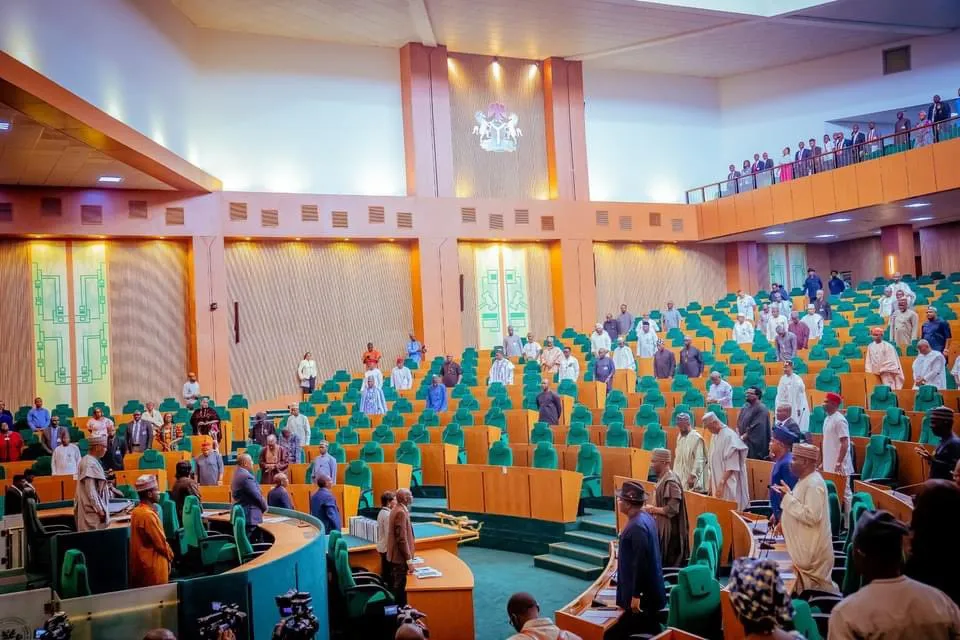
The resolution followed the adoption of a motion sponsored by Rep. Babajimi Benson, representing Ikorodu Federal Constituency of Lagos State, during plenary on Tuesday.
The House's intervention seeks to establish a clearer picture of the impact of attacks targeting Nigerians and other foreign nationals in South Africa, including deaths, injuries, destruction of businesses, displacement and other economic losses.
Moving the motion, Benson argued that the absence of a comprehensive and authoritative assessment of the casualties and losses suffered by Nigerians had weakened the country's ability to pursue appropriate remedies for affected citizens.
He said the lack of detailed documentation had also made it more difficult for the Federal Government to establish the full scale of losses and use such evidence in diplomatic engagements with the South African authorities.
The lawmaker recalled Nigeria's historic role in the struggle against apartheid in South Africa, noting that the country provided diplomatic, political and financial support to the anti-apartheid movement before the eventual emergence of democratic rule in South Africa.
According to him, Nigeria's support for the struggle was expressed through international platforms, including the United Nations, the Commonwealth and the Organisation of African Unity, now the African Union.
He also noted that Nigeria contributed to the anti-apartheid cause through other forms of support, including scholarships and assistance to South Africans during the period of racial segregation.
Benson said the historical relationship between the two countries made the recurring reports of xenophobic attacks involving Nigerians and other foreign nationals particularly concerning.
He argued that Nigerians who reside legally in South Africa have, over the years, been exposed to attacks associated with xenophobia, with some incidents resulting in deaths, destruction of businesses and property, displacement and diplomatic tensions between Abuja and Pretoria.
The lawmaker referenced major incidents reported in 2008, 2015, 2017, 2019 and 2021, saying the recurring nature of such attacks had raised concerns about the safety of Nigerians and the protection of their economic interests.
He also expressed concern over renewed anti-foreigner campaigns by some groups in South Africa, arguing that such activities had contributed to a climate of fear among some Nigerian residents and affected businesses and investments.
Benson maintained that while successive Nigerian governments had condemned xenophobic attacks and engaged South African authorities diplomatically, there had not been a sufficiently comprehensive institutional effort to document the full extent of the losses suffered by Nigerians.
He said this had limited Nigeria's ability to pursue accountability and possible compensation based on credible and consolidated evidence.
“Condemnation and diplomatic protests without a corresponding institutional effort to comprehensively document the losses suffered by Nigerians have denied the Federal Government and the National Assembly an authoritative evidential basis for policy formulation, legislative intervention and sustained diplomatic negotiations,” Benson said.
Following the adoption of the motion, the House mandated its Committees on Integration and Cooperation in Africa and Diaspora, and Foreign Affairs to investigate the impact of previous and recent xenophobic attacks involving Nigerians in South Africa.
The committees are expected to examine the reported casualties and document the extent of property destruction and economic losses suffered by Nigerian citizens.
They were also directed to compile an inventory of properties allegedly abandoned by Nigerians as a result of xenophobic attacks and related insecurity.
The lawmakers want the committees to recommend appropriate diplomatic, legal and policy measures that could strengthen accountability and improve the protection of Nigerians living in South Africa.
The committees are also expected to examine possible avenues for seeking compensation or other forms of redress for victims whose lives, businesses and properties were affected by the attacks.
The House directed the committees to submit their findings and recommendations within four weeks, after which the report is expected to form the basis for further legislative action.
The investigation comes against the backdrop of longstanding economic and diplomatic ties between Nigeria and South Africa.
The two countries maintain strategic relations spanning trade, investment, diplomacy and regional cooperation and have historically played influential roles in continental affairs.
However, tensions have periodically emerged over attacks on foreign nationals in South Africa, with Nigerians among those reportedly affected.
For the House of Representatives, the latest investigation represents an attempt to move the issue beyond periodic condemnation and diplomatic protests by establishing a documented record of the human and economic consequences of xenophobic violence.
The outcome of the probe could therefore provide lawmakers and the Federal Government with a clearer basis for engaging South African authorities on the protection of Nigerians, pursuing possible compensation for victims and addressing concerns over the safety of Nigerian-owned businesses and property.
The investigation is also expected to examine whether existing diplomatic and legal mechanisms are sufficient to protect Nigerians in South Africa and provide effective remedies when their rights, lives or economic interests are threatened.
With the four-week deadline set for the committees, attention will now turn to the scope of their investigation, the evidence they gather from affected Nigerians and relevant government agencies and the recommendations they ultimately present to the House.
Written by
Our Reporter
SkyHigh NewsHub correspondent.