
Customs Tightens Security at Onne Port, Plans 100% Cargo Scanning
By OUR REPORTER · 22/07/2026 3:59 PM · 4 min read
The Nigeria Customs Service (NCS) has announced plans to introduce 100 per cent scanning of imported cargoes at the Onne Port in Rivers State, as part of measures to strengthen surveillance and prevent illicit goods from entering the country.
The planned scanning regime will cover all consignments arriving through the port, including pharmaceutical products, amid concerns over the evolving methods allegedly used by smugglers to conceal prohibited items.
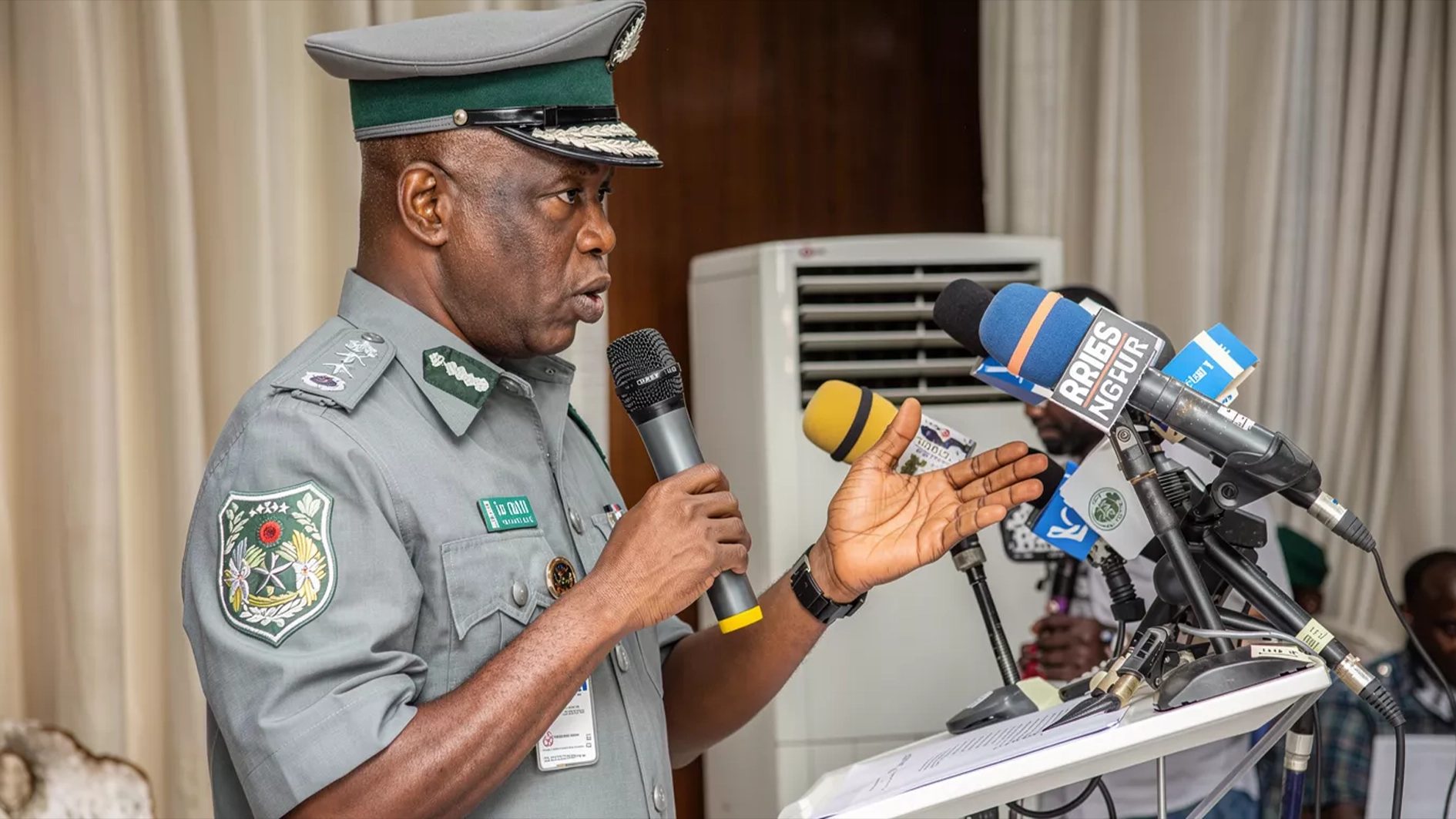
The National Public Relations Officer of the NCS, Abdullahi Maiwada, disclosed this on Tuesday during an interactive session with journalists in Port Harcourt ahead of the 2026 Public Relations Week.
Maiwada, a Deputy Comptroller of Customs, said the initiative would involve pre-scanning cargoes, with the resulting images stored for future reference and further analysis where necessary.
He said the 100 per cent scanning programme had already commenced at the Apapa Port in Lagos and would soon be extended to Onne as part of the service's efforts to strengthen non-intrusive inspection and improve cargo monitoring.
“People will resist change. So very soon we are coming to Onne that 100 per cent scanning will also take place, and we’ll make sure that all items that come in are pre-scanned and the images will be stored,” Maiwada said.
He explained that the scanning images would also be integrated with import declarations to strengthen accountability and provide additional checks during the cargo clearance process.
“We have started 100 per cent scanning in Apapa, and we have started integration of scanning images with your declaration. Those are checks and balances we are putting in place,” he added.
The Customs spokesperson said the move was particularly important in view of the need to detect dangerous consignments and prevent the illegal importation of drugs, arms and other prohibited items.
Maiwada recalled that the Comptroller-General of Customs, Bashir Adeniyi, declared a state of emergency at the Onne Port in September 2024 following the interception of arms, ammunition and illicit drugs at the facility.
The declaration was accompanied by a three-month emergency protocol designed to strengthen scrutiny and deploy additional resources to monitor cargoes and activities at the port.
However, Maiwada clarified that the emergency declaration did not stop importation or disrupt cargo clearance operations at the facility.
“When we say state of emergency at the Onne Port, it does not mean that the business of clearance will not take place. We are putting more eyes, deploying more resources to make sure that illicit items do not find their way into the port,” he said.
He added that Onne Port remained a facility of special interest to the Customs Service, with increased surveillance and operational attention despite the conclusion of the emergency protocol.
“Whether it has been cancelled or not, eyes are still on Onne Port. Our resources are inclined towards airports, and there are so many operations going on that I may not be able to reveal here,” Maiwada said.
The Customs spokesman said the service was strengthening its non-intrusive inspection capabilities through the deployment of modern scanners at ports and other entry points.
He said the next batch of scanners being deployed nationwide would include Onne Port, adding that the technology would enable Customs officials to examine consignments without necessarily opening every container.
According to him, the adoption of scanning technology is part of broader reforms aimed at improving trade facilitation while protecting national security and public health.
Maiwada acknowledged that some stakeholders had resisted the introduction of new technology but said the Customs Service remained committed to implementing reforms that would improve cargo monitoring and prevent harmful or prohibited goods from entering Nigeria.
The planned expansion of 100 per cent scanning to Onne Port comes as Customs continues to balance the need for tighter border security with the efficient facilitation of legitimate trade.
The service also reiterated the importance of collaboration with the media in communicating its reforms, promoting transparency and strengthening public confidence in its operations.
The engagement, Maiwada said, was intended to deepen cooperation between the Customs Service and journalists in creating greater public awareness of government policies, trade facilitation measures and national security initiatives.
Written by
Our Reporter
SkyHigh NewsHub correspondent.