
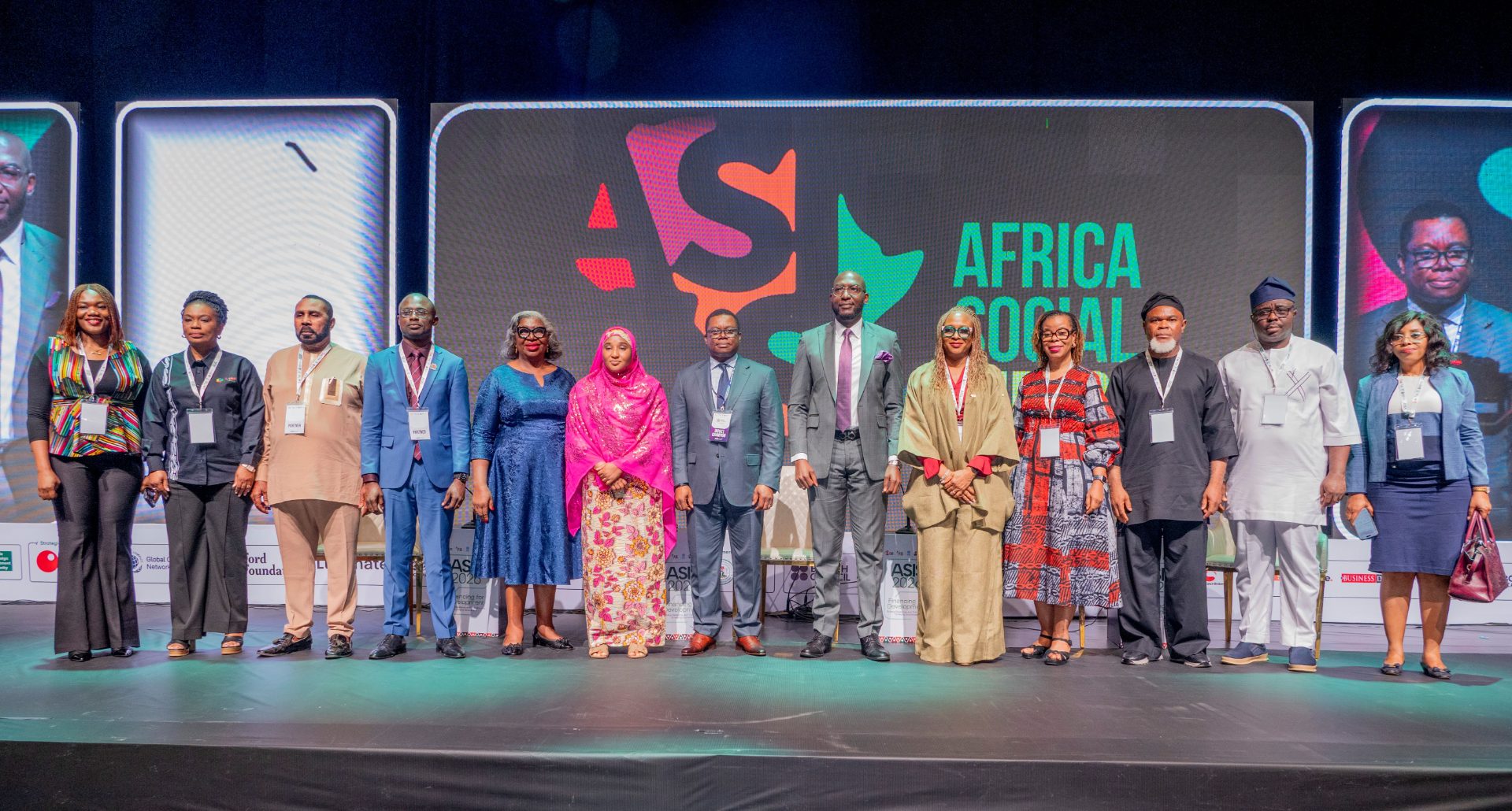
Seplat Energy Pushes Public-Private Partnership for Africa’s Education Future at ASIS 2026
By OZIOMA IWUH · 24/07/2026 10:00 PM · 3 min read
Seplat Energy Plc has reaffirmed its commitment to advancing education and developing Africa’s future workforce, calling for stronger collaboration between governments, the private sector and development partners to build resilient and inclusive education systems across the continent.
The indigenous energy company made the call at the 2026 Africa Social Impact Summit (ASIS), where it sponsored the plenary session titled "Powering Africa’s Future: Private Sector Leadership in Education Transformation."
The session brought together policymakers, business leaders, academics and development organisations to discuss how strategic partnerships, digital innovation and investment in Science, Technology, Engineering, Arts and Mathematics (STEAM) education can better prepare young Africans for the future of work.
Representing Seplat Energy's Chief Executive Officer, Roger Brown, the company's Director of External Affairs and Social Performance, Chioma Afe, said the partnership with ASIS reflects Seplat's commitment to delivering sustainable impact through collaboration.
"Our partnership with the Africa Social Impact Summit provides an opportunity to collaborate with organisations that share our vision of transforming education on a national scale. This goes beyond conversations to action," Brown said in a statement delivered by Afe.
Brown said Seplat Energy has continued to invest in educational development across its host communities in Edo, Delta and Imo states, with plans to expand its interventions to Akwa Ibom State.
According to him, the company's education initiatives include scholarships, teacher development programmes, school infrastructure projects, STEAM laboratories under its Access to Energy initiative, and the Seplat Innovation Programme, implemented in partnership with the Nigerian National Petroleum Company Limited (NNPCL), which encourages secondary school students to develop clean energy solutions.
He stressed that Africa's education challenges require collective action rather than isolated interventions.
"No one country, industry or institution can do it alone. Through collaboration, sound policies and sustained private sector investment, we can equip young people with the knowledge and skills needed to thrive in a rapidly changing world and advance education for all across the African continent," he said.
Minister of State for Education, Prof. Suwaiba Ahmad, described education as "the most strategic investment any nation can make" and commended Seplat Energy for its sustained contributions to the sector.
"I would like to commend Seplat Energy for its longstanding investment in education through scholarships, teacher development programmes, school infrastructure initiatives, STEAM initiatives and other educational projects," she said.
The minister noted that education remains critical to economic growth, innovation and national competitiveness, adding that digital transformation must remain central to efforts aimed at building future-ready education systems.
She urged greater private sector participation in expanding digital infrastructure, school connectivity, educational technology, teacher training, artificial intelligence, and technical and vocational education.
Also speaking at the summit, Lagos State Governor Babajide Sanwo-Olu, represented by Deputy Governor Dr. Obafemi Hamzat, emphasised the importance of partnerships in financing development across education, healthcare, infrastructure and technology.
He said investing in young people remains essential to building resilient economies and unlocking Africa's long-term growth potential.
Participants at the plenary agreed that stronger public-private partnerships, improved digital literacy, greater investment in artificial intelligence, teacher development and innovation would be crucial to preparing Africa's next generation for emerging economic opportunities.
Seplat Energy said education remains a central pillar of its sustainability agenda, with continued investments aimed at expanding access to quality learning, strengthening teacher capacity and fostering innovation among young Africans.
Written by
Ozioma Iwuh
SkyHigh NewsHub correspondent.