
Reps Demand Audit of Recovered Assets Since 1999, Seek Digital National Registry
By OUR REPORTER · 21/07/2026 6:23 PM · 5 min read
The House of Representatives has called for a comprehensive nationwide audit of assets seized, forfeited, recovered, managed, disposed of or repatriated by government institutions since Nigeria's return to democratic rule in 1999.
The lawmakers also urged the Federal Government to establish a digital national asset recovery and management registry to create a centralised system for tracking recovered public assets and strengthening transparency and legislative oversight.
The resolutions followed the adoption of a motion sponsored by Rep. Ibe Okwara Osonwa, representing Arochukwu/Ohafia Federal Constituency of Abia State, during plenary on Tuesday.
Moving the motion, Osonwa raised concerns about what he described as the absence of a centralised database capable of providing a comprehensive record of assets recovered by government institutions over the years.
He argued that fragmented documentation and weak monitoring mechanisms had created significant gaps in the tracking of recovered assets, including their location, value, management, disposal and eventual utilisation.
The lawmaker cited Sections 88 and 89 of the 1999 Constitution, as amended, which empower the National Assembly to investigate the activities of public institutions and conduct inquiries into the administration and management of public funds and assets.
He also referred to the Proceeds of Crime (Recovery and Management) Act, 2022, which establishes a legal framework for the tracing, seizure, forfeiture, recovery, preservation, management and disposal of proceeds of crime.
According to Osonwa, various government institutions have recovered substantial assets since 1999 in connection with corruption, money laundering, terrorism financing, illicit financial activities and other criminal offences.
He said the recovered assets cut across a broad range of categories, including cash, landed properties, shares, petroleum assets, vehicles, vessels, aircraft, investments, digital assets and other movable and immovable properties.
However, the lawmaker said the country still lacks a unified national system through which the government, lawmakers and members of the public can obtain reliable information on the status and management of such assets.
“There is presently no centralized and publicly accessible National Asset Recovery and Management Register capable of providing comprehensive information on the status, value, location, management, disposal, utilisation and proceeds of recovered assets across the Federation,” Osonwa said.
He expressed concern that the absence of a coordinated system could make it difficult to determine the full value of assets recovered by different government agencies and to establish how those assets were subsequently managed or disposed of.
Osonwa also highlighted what he described as challenges associated with the management of recovered assets, including inadequate record-keeping, difficulties in valuation, weak monitoring mechanisms, deterioration of assets and the risk of revenue leakages.
He argued that the lack of a centralised digital platform had not only complicated oversight but could also undermine public confidence in the government's asset recovery efforts.
The lawmaker said the proposed national digital registry would help address those challenges by creating a reliable database containing relevant information on assets recovered across the country.
Such a system, he argued, would improve coordination among government agencies, strengthen accountability and enable more effective monitoring by the National Assembly and other authorised institutions.
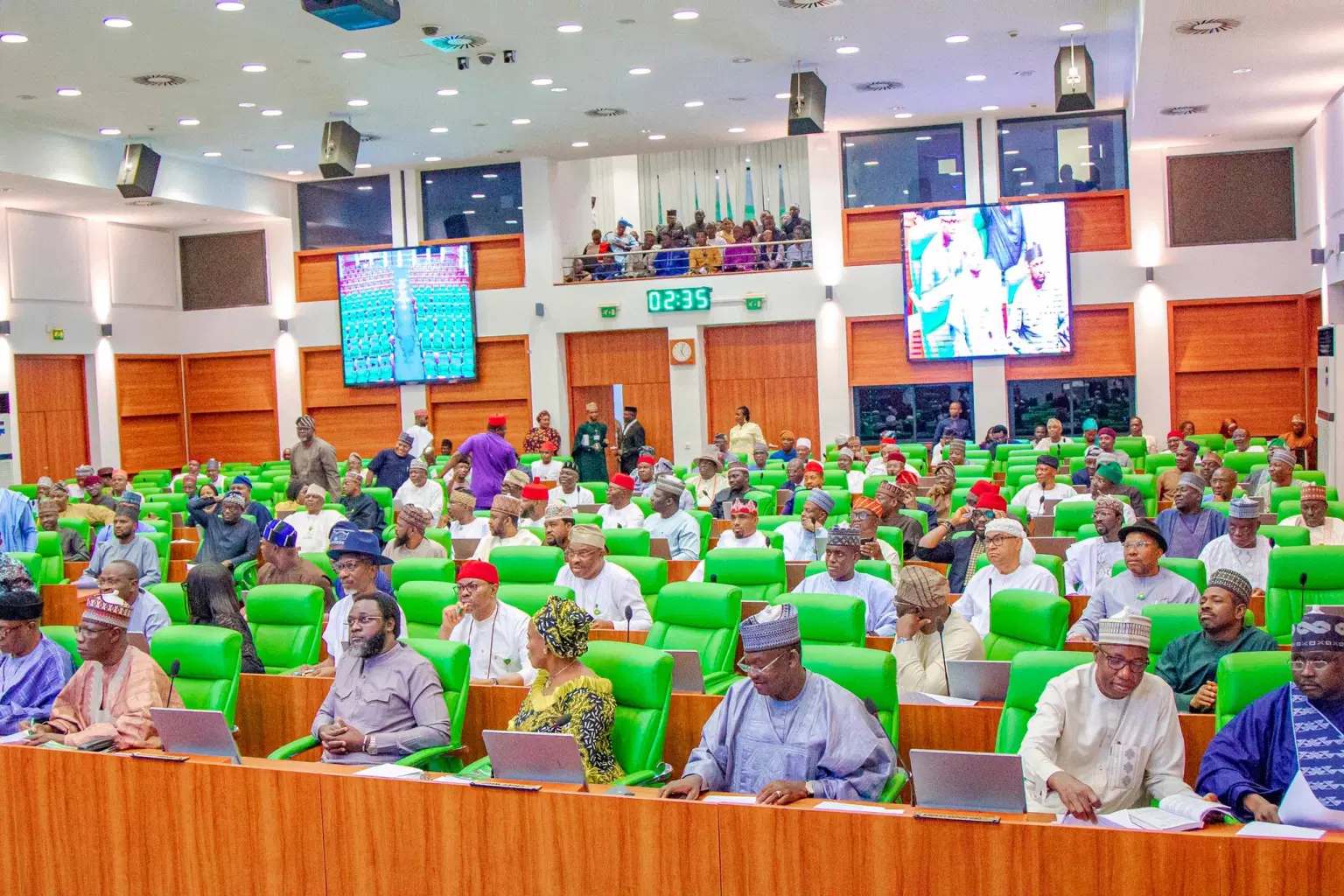
The motion received broad support from members of the House and was subsequently adopted through a voice vote presided over by the Speaker, Tajudeen Abbas.
Following the adoption, the House called on the Federal Government to undertake a nationwide audit and verification of all assets seized, forfeited, recovered, managed, disposed of and repatriated by government ministries, departments and agencies, anti-corruption bodies, security institutions and the courts.
The lawmakers specifically directed that the review should cover the period from May 29, 1999, to date, effectively spanning the period since Nigeria's return to uninterrupted democratic governance.
The House also called for the establishment of a digital national asset recovery and management registry that would provide proper documentation and facilitate transparent monitoring of recovered assets.
The proposed registry would, in effect, provide a central record through which relevant authorities could track the history and status of recovered assets, from seizure or forfeiture through recovery, preservation and management to eventual disposal or utilisation.
The demand comes against the backdrop of Nigeria's long-running anti-corruption and asset recovery efforts.
Over the years, institutions including the Economic and Financial Crimes Commission (EFCC), the Independent Corrupt Practices and Other Related Offences Commission (ICPC), the Nigeria Police Force and other security and regulatory agencies have been involved in recovering assets linked to alleged corruption, financial crimes and other offences.
The recovery process has also involved different categories of property and financial instruments, ranging from cash and real estate to vehicles, shares and other assets.
However, the absence of a single, comprehensive database has remained a concern for advocates of greater transparency in public asset management.
The House's resolution therefore seeks to move the focus beyond the recovery of assets to what happens after recovery, including where such assets are kept, how they are valued, who manages them, whether they generate revenue and how proceeds from their sale or disposal are accounted for.
For lawmakers, the proposed audit and digital registry could provide a clearer picture of the scale of Nigeria's recovered assets while helping to close potential gaps in documentation and oversight.
The initiative could also strengthen institutional coordination by ensuring that information currently held separately by different agencies is brought into a structured national system.
The House's action signals a broader push for greater accountability in Nigeria's asset recovery regime, with lawmakers seeking to establish a verifiable record of recovered public assets dating back to the beginning of the current democratic era.
If implemented, the nationwide audit and proposed digital registry could give government and the public a clearer understanding of the country's recovered assets and help ensure that resources recovered in the fight against corruption and other crimes are properly preserved, managed and ultimately deployed in the public interest.
Written by
Our Reporter
SkyHigh NewsHub correspondent.