
NASS Overtakes Police as Nigeria's Least Trusted Institution; Judiciary Also Scores Poorly — API
By SKYHIGHNEWSHUB · 27/06/2026 4:14 PM · 5 min read
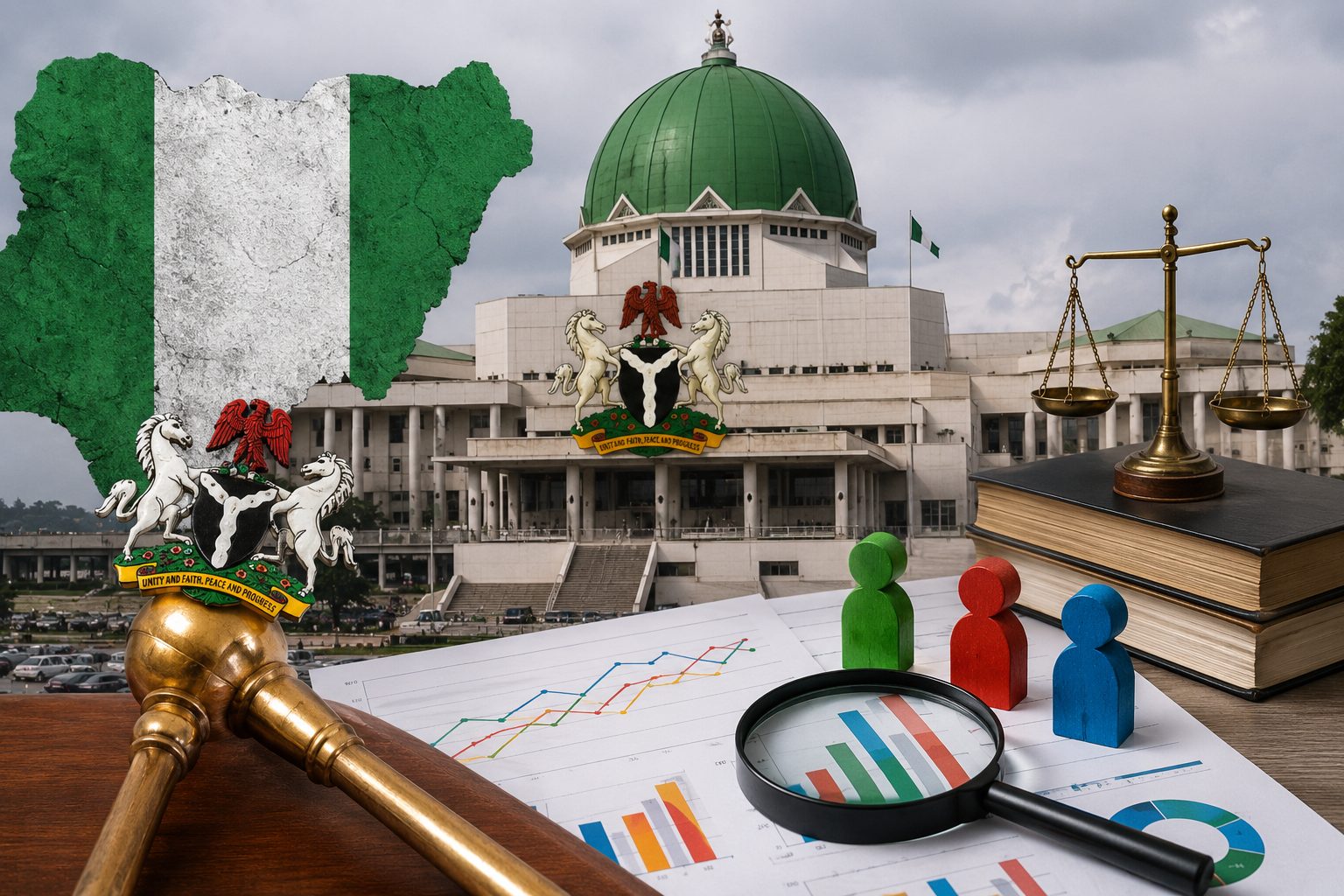
The National Assembly has emerged as Nigeria's least trusted public institution, overtaking the Nigeria Police Force, according to the 2026 Social Cohesion Report released by the Africa Polling Institute (API).
The report, unveiled at the National Social Cohesion Dialogue in Abuja, found that 77 per cent of Nigerians expressed little or no trust in the National Assembly, while 73 per cent reported low confidence in the judiciary.
Presenting the findings, API Executive Director, Prof. Bell Ihua, said Nigeria's Social Cohesion Index (NSCI) rose to 48.8 per cent, representing a two-percentage-point increase from the previous survey and the highest score recorded since the institute began measuring social cohesion.
Despite the improvement, the index remains slightly below the 50 per cent benchmark, indicating that the country still faces significant challenges in strengthening national unity and public trust.
According to Ihua, the findings nevertheless demonstrate the resilience of Nigerians and their willingness to coexist despite prevailing economic and social hardships.
Religious, traditional leaders enjoy higher public trust
The report found that Nigerians continue to place considerably more confidence in religious and traditional institutions than in elected public officials.
According to the survey, 51 per cent of respondents expressed significant trust in religious leaders, while 45 per cent trusted traditional rulers.
By comparison, only 28 per cent said they trusted the administration of President Bola Tinubu, while just 23 per cent expressed confidence in the National Assembly.
"This assessment places the National Assembly as the least trusted institution in the country, a position previously held by the Police," Ihua said.
Survey covered more than 5,300 Nigerians
API said the nationwide survey was conducted between January and February 2025 with support from the Ford Foundation.
A total of 5,315 face-to-face interviews were conducted using a stratified random sampling method involving Nigerians aged 15 years and above.
Interviews were carried out in English, Pidgin, Hausa, Igbo and Yoruba, with respondents drawn proportionately from every state and senatorial district.
The institute explained that the study measures citizens' willingness to cooperate and work together despite ethnic, religious, political and social differences.
The report assessed 14 indicators, including identity, trust, civic participation, corruption, social justice, security, migration, gender equity, inclusion, polarisation and future expectations.
More Nigerians identify first as Nigerians
One of the report's most significant findings is what API described as a milestone in Nigeria's nation-building journey.
For the first time since the survey began, a majority of respondents identified themselves primarily as Nigerians rather than by ethnic, religious or regional identity.
The survey also found that 46 per cent of respondents said they were proud to be Nigerians, while 44 per cent said they equally identified with both their nationality and ethnic group.
Nigerians remain willing to promote unity
Despite widespread dissatisfaction with public institutions, the report suggests that many Nigerians remain committed to national unity.
According to the findings:
71 per cent said they were willing to make personal sacrifices for Nigeria's collective good.
77 per cent expressed willingness to work with people from other ethnic groups to strengthen national unity.
73 per cent said they were willing to participate in the political process to improve the country.
89 per cent supported inter-ethnic marriages, while 62 per cent backed inter-faith marriages.
Political affiliation now biggest source of division
The report also highlighted growing concerns over political polarisation. About 48 per cent of respondents believe Nigeria is more divided today than it was four years ago, compared with 20 per cent who believe the country has become more united.
Political party affiliation was identified as the leading cause of community conflict by 56 per cent of respondents, ahead of ethnicity (46 per cent) and religion (44 per cent).
Support grows for women in leadership
On gender inclusion, the survey recorded increasing public support for women occupying leadership positions.
According to the findings:
69 per cent support women leading in politics and corporate organisations.
84 per cent believe boys and girls should enjoy equal access to education.
62 per cent support equal inheritance rights for women.
60 per cent said they would vote for a woman as President.
66 per cent would support a female governor.
73 per cent would vote for a woman seeking election as a local government chairperson.
Many Nigerians optimistic despite economic hardship
While 45 per cent of respondents said they were dissatisfied with their lives as Nigerians, the survey found cautious optimism about the country's future.
According to the report, 61 per cent believe Nigeria's future will be better than its present, while 55 per cent said they would relocate abroad with their families if given the opportunity.
API recommends Social Cohesion Commission
To strengthen national unity, API recommended the establishment of a National Social Cohesion Commission to promote inclusive governance, civic participation, peaceful coexistence, social justice and trust in public institutions.
The institute also proposed creating dedicated Social Cohesion Desks across all Ministries, Departments and Agencies (MDAs) to ensure government policies and development programmes promote inclusion and national unity.
API described the growing tendency of Nigerians to identify first with their country rather than ethnic or regional affiliations as the nation's most valuable social asset, urging policymakers to protect and build upon the progress.
Written by
SkyhighNewshub
SkyHigh NewsHub correspondent.