
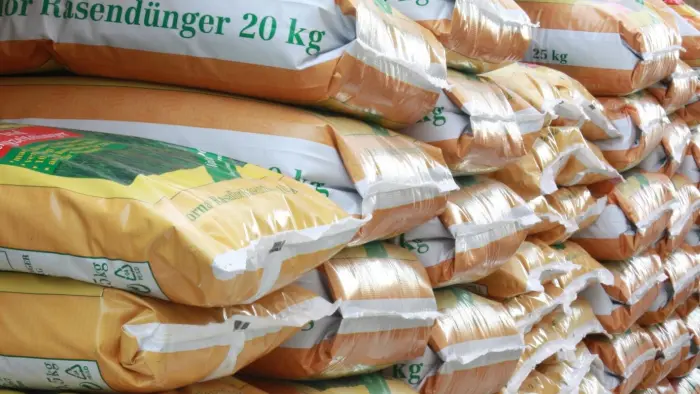
FG Secures Fertiliser Supply for 2026 Planting Season, Saves $43.99m
By OUR REPORTER · 13/06/2026 3:17 PM · 3 min read
The Federal Government has secured Nigeria’s fertiliser supply for the 2026 wet farming season, insulating farmers from emerging global supply disruptions and saving the country an estimated $43.99 million through early procurement decisions.
The disclosure was made by the Director of PFI NPK Limited, Dr Armstrong Takang, during an interview with journalists in Abuja.
PFI NPK Limited, a wholly owned entity of the Ministry of Finance Incorporated (MOFI), serves as the implementation vehicle for the Presidential Fertiliser Initiative and oversees the procurement and distribution of fertiliser raw materials across the country.
According to Takang, fresh global disruptions affecting critical maritime shipping routes have triggered sharp increases in freight costs and the prices of key fertiliser inputs, including Granular Ammonium Sulphate (GAS), Diammonium Phosphate (DAP) and Muriate of Potash (MOP).
He noted that several countries across Africa are already experiencing supply shortages and uncertainty ahead of the planting season.
Despite the challenges, he said Nigeria had successfully positioned itself ahead of the crisis through proactive government intervention.
“Official procurement and shipment records show that the Federal Government, through PFI NPK Limited, secured nine vessels carrying a combined 407,304 metric tonnes of fertiliser raw materials,” Takang said.
“With opening stock balances, total available raw materials currently stand at 534,219 metric tonnes for NPK fertiliser production.”
He explained that all necessary letters of credit had either been fully established or settled, ensuring uninterrupted supply throughout the season.
Records made available by the company indicate that by mid-April 2026, approximately 323,109 metric tonnes of raw materials, equivalent to about 6.5 million bags of fertiliser had already been released to registered blending plants nationwide.
Of that quantity, more than 198,264 metric tonnes, representing roughly four million bags, had already been distributed for agricultural use.
Takang said the government’s strategy of locking in supplies and prices before market volatility intensified generated substantial savings.
According to him, GAS was secured at $228 per metric tonne compared to a prevailing market price of $343, while DAP was purchased at $775 per tonne against a market rate of $950. MOP was secured at $400 per tonne compared to a market value of $430.
The resulting savings, he said, amounted to approximately $43.99 million, equivalent to about ₦61.58 billion.
He stressed that fertiliser affordability and availability remain critical to agricultural productivity and food security in Nigeria.
PFI NPK currently supplies raw materials to 94 blending plants registered under the Fertiliser Producers and Suppliers Association of Nigeria (FEPSAN), ensuring that fertiliser production is carried out domestically rather than through imports of finished products.
In 2025, the programme delivered 648,000 metric tonnes of raw materials. For 2026, operations are expected to expand significantly, with a target of 1.52 million metric tonnes.
Takang also disclosed that government oversight mechanisms involving NAFDAC, the Standards Organisation of Nigeria, collateral management agents and the Office of the National Security Adviser have been integrated into the supply chain to ensure transparency and accountability.
He added that plans are underway to deploy a digital enterprise platform capable of providing real-time visibility into procurement, inventory management and nationwide distribution.
According to him, the ultimate objective remains ensuring that Nigerian farmers have timely access to fertiliser at stable prices capable of supporting increased agricultural production and long-term food security.
Written by
Our Reporter
SkyHigh NewsHub correspondent.