
Borno Reintegrates 720 Ex-Boko Haram Fighters, Total Nears 10,000
By OUR REPORTER · 13/06/2026 3:46 PM · 3 min read
The Borno State Government has reintegrated 720 former Boko Haram fighters into their communities after completing a rehabilitation and deradicalisation programme, bringing the total number of ex-insurgents processed under the initiative to nearly 10,000.
The latest beneficiaries were formally reintegrated on Friday alongside 992 women and 2,050 children who also passed through the state’s rehabilitation framework designed for individuals who voluntarily surrendered during ongoing counter-insurgency operations.
The programme is implemented at the Hajj Camp in Maiduguri, where former insurgents undergo profiling, deradicalisation, psychological support, vocational training and rehabilitation before returning to civilian life.
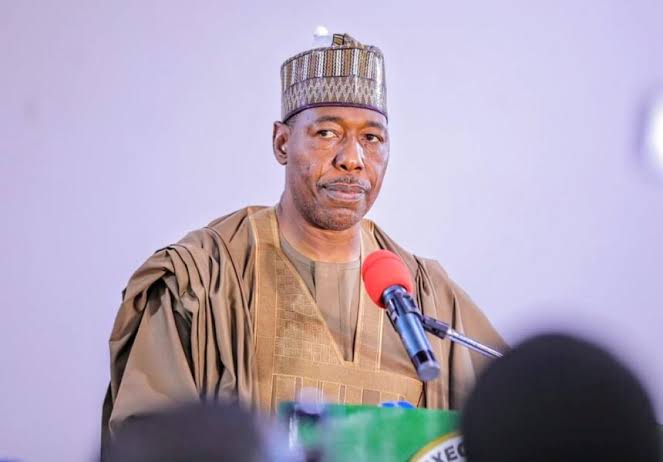
Speaking during the ceremony, the Special Adviser to Governor Babagana Zulum on Security, retired Brigadier General Abdullahi Ishaq, said the beneficiaries had surrendered to military authorities at various stages of operations across the North-East.
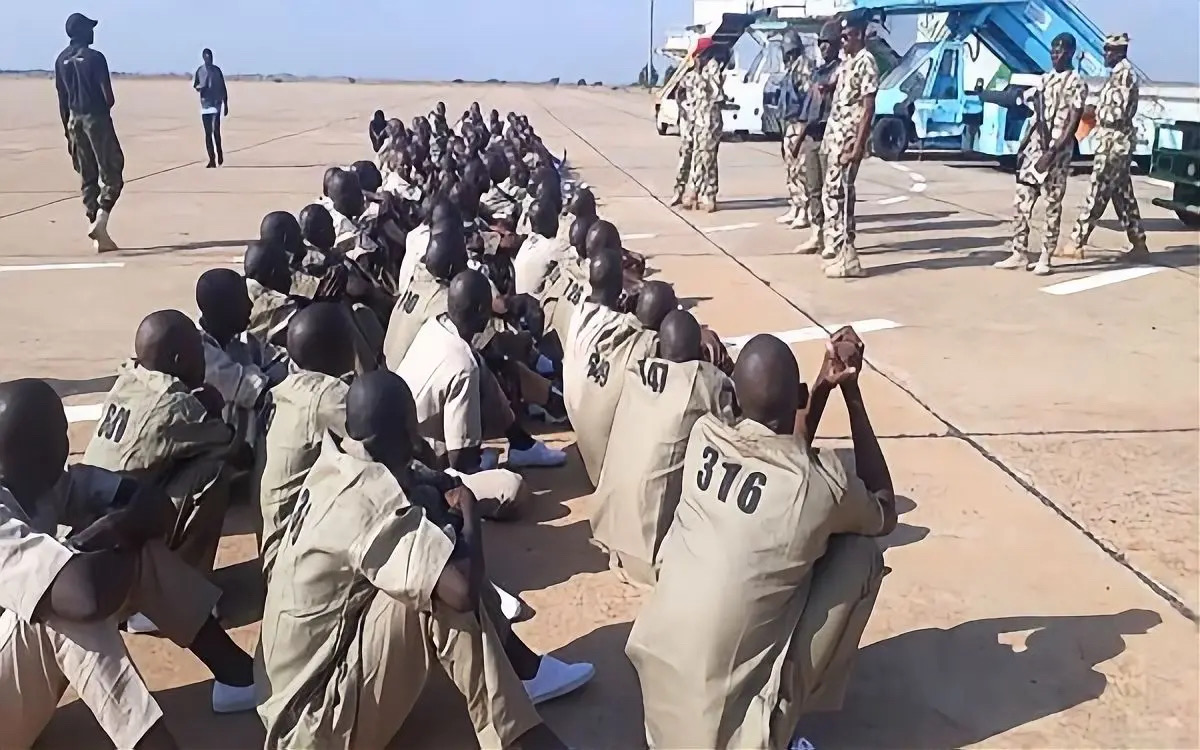
According to him, the latest group constitutes the ninth batch of participants under the state government’s reintegration programme.
“Today, the Borno Model is adjudged to be one of the most effective non-kinetic programmes, with over 350,000 persons having willingly exited the bush and surrendered to the military,” Ishaq said.
He explained that the 720 former fighters, together with their spouses and children, underwent extensive rehabilitation and acquired various vocational skills intended to support their reintegration and economic self-reliance.
The security adviser revealed that many of the beneficiaries were encouraged to surrender after hearing from former insurgents who had previously completed the programme and successfully reunited with their families.
“Their journey back from the bush began with calls from colleagues who had already surrendered and were reintegrated into society,” he said.
Ishaq disclosed that 8,960 former insurgents had been successfully reintegrated during the first eight phases of the programme.
With the addition of the latest 720 beneficiaries, the cumulative figure now stands at 9,680 former insurgents.
According to him, all participants were subjected to disarmament, demobilisation, screening and deradicalisation processes before being cleared for reintegration.
The beneficiaries originated from several local government areas severely affected by insurgency, including Bama, Konduga, Maiduguri Metropolitan Council, Jere, Mafa, Dikwa, Gwoza, Damboa, Marte, Monguno, Kukawa, Ngala, Kala-Balge and Gubio.
Ishaq said community leaders, local hunters and members of the Civilian Joint Task Force participated in the screening and verification process before recommendations were made for reintegration.
The state government also provided starter packs and livelihood support materials to the former fighters and their spouses to facilitate their transition into civilian life.
Before their release from the rehabilitation facility, the beneficiaries reportedly swore on the Holy Quran that they would not return to insurgent activities.
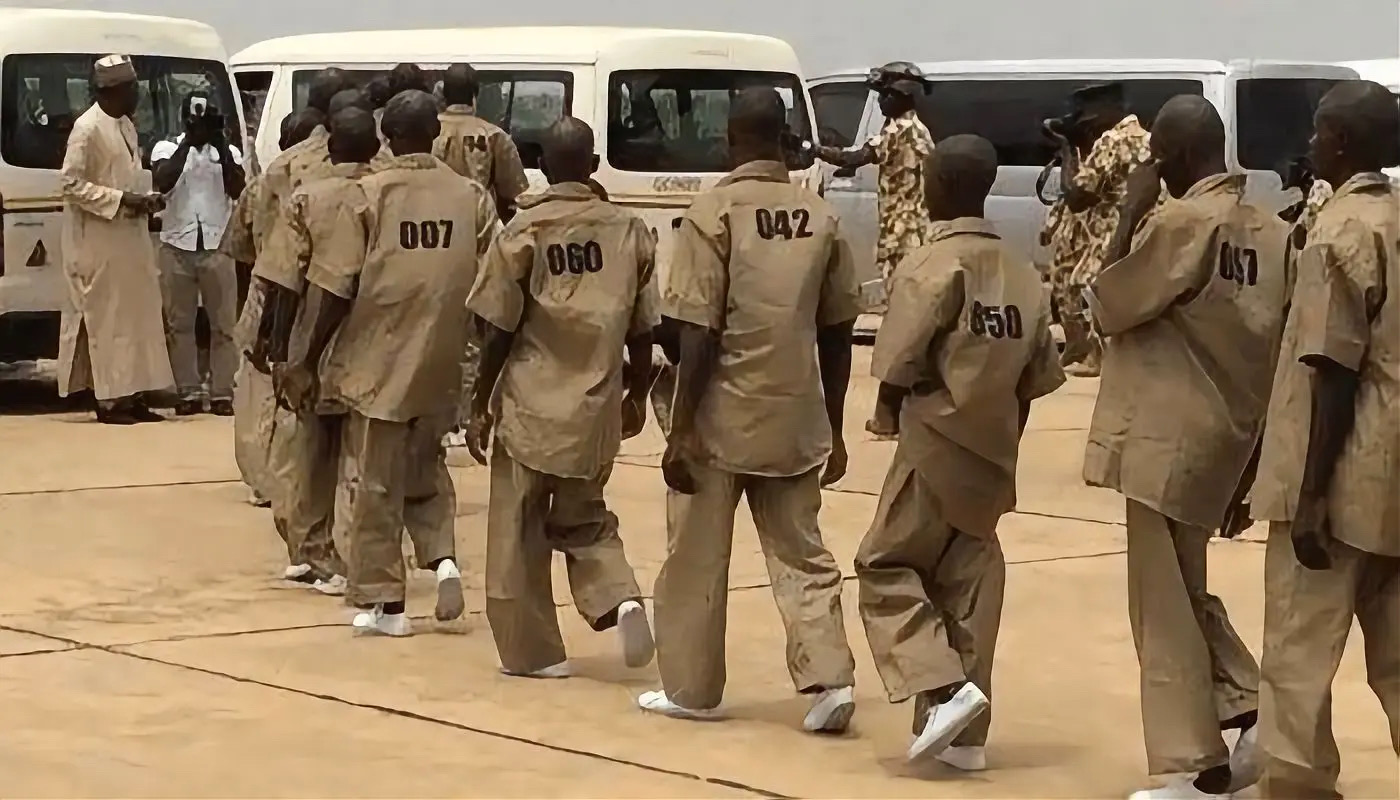
Explaining the pathway into the programme, Ishaq said individuals who surrender first report to military formations, where they hand over weapons and undergo preliminary profiling before being transferred to the Hajj Camp for further processing.
The Borno State Government maintains that the initiative complements military operations by encouraging defections and reducing the number of active insurgents in the field.
However, the programme has continued to generate debate among some victims of insurgent violence and affected communities, many of whom remain concerned about the return of former fighters to civilian populations.
Despite the concerns, state authorities insist that the programme remains a critical component of long-term peacebuilding, reconciliation and stabilisation efforts across the North-East.
Officials argue that creating pathways for willing insurgents to abandon violence contributes to reducing conflict, weakening extremist groups and supporting sustainable recovery in communities devastated by years of insurgency.
Written by
Our Reporter
SkyHigh NewsHub correspondent.