
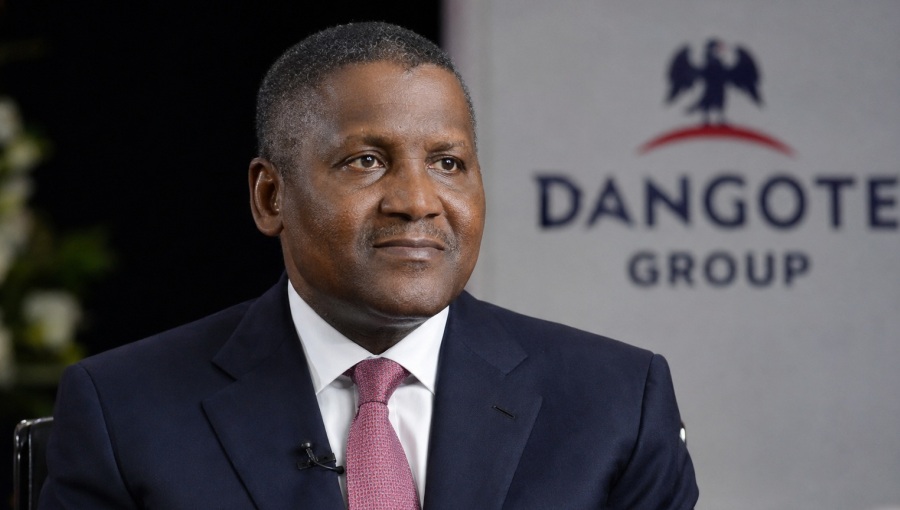
After Cement and Refining, Dangote Bets on Reviving Nigeria’s Auto Industry
By OUR REPORTER · 05/06/2026 3:10 PM · 4 min read
For decades, the Peugeot brand occupied a special place in Nigeria’s automotive history. The iconic Peugeot 504 transported civil servants to work, powered taxi fleets across major cities and became a familiar sight on highways connecting communities nationwide. At a time when Nigeria’s industrial ambitions appeared limitless, vehicles assembled locally in Kaduna symbolised the country’s determination to build a strong manufacturing economy.
That dream gradually faded.
Years of policy inconsistency, rising imports of used vehicles, foreign exchange challenges and mounting financial pressures pushed Peugeot Automobile Nigeria (PAN) into decline. Production dwindled, debts accumulated and what was once one of the country’s most successful industrial ventures found itself struggling for survival.
By 2012, PAN had amassed liabilities estimated at about N30 billion, prompting intervention by the Asset Management Corporation of Nigeria (AMCON) which assumed control of the troubled company.
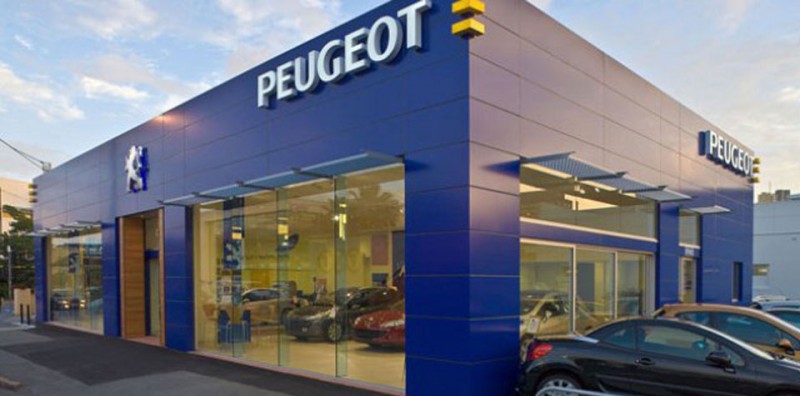
Many believed the story of Peugeot in Nigeria had effectively come to an end. However, one businessman saw opportunity where others saw decline.
Aliko Dangote, whose industrial empire had already transformed Nigeria’s cement sector, joined a consortium that acquired controlling interests in PAN from AMCON in 2016.
The acquisition formed part of a broader industrial philosophy that has defined Dangote’s investments over the years building local production capacity in sectors where Nigeria has traditionally depended on imports.
Rather than merely reviving an old automobile company, Dangote pursued a more ambitious strategy. His team entered negotiations with Peugeot’s parent company, PSA Groupe, leading to the establishment of Dangote Peugeot Automobiles Nigeria Limited (DPAN), a new arrangement designed to modernise vehicle assembly operations and reposition the Peugeot brand for a new generation of consumers.
The partnership survived the global automotive industry's restructuring following the formation of Stellantis through the merger of PSA Groupe and Fiat Chrysler Automobiles in 2021.
Today, Peugeot vehicles are once again being assembled in Nigeria.
Unlike the old production model, DPAN established a modern assembly plant located along the Kaduna-Abuja Expressway. Operations commenced in January 2022 with the assembly of the Peugeot 301 sedan.
Since then, the company has expanded production to include the Peugeot Landtrek pickup, the Peugeot 508 saloon and the increasingly popular Peugeot 3008 and 5008 sport utility vehicles.
In April 2026, Stellantis announced the commencement of local assembly of the latest Peugeot 3008 and 5008 models at the Kaduna facility, further strengthening confidence in the long-term viability of the project.
The facility currently boasts a production capacity of up to 120 vehicles daily across two shifts, although actual production volumes remain significantly lower as the company continues to expand market reach and local operations.
For Dangote, however, the project represents more than vehicle sales. It aligns with his long-held belief that Nigeria’s economic transformation depends on large-scale industrial production capable of reducing import dependence and creating domestic value chains.
The same strategy underpinned his investments in cement, sugar, fertiliser and, more recently, the Dangote Petroleum Refinery.
Industry experts note that Nigeria remains one of Africa’s largest vehicle markets, with enormous growth potential driven by population expansion, urbanisation and rising mobility needs. Yet despite this potential, the country continues to rely heavily on imported vehicles, particularly second-hand automobiles.
The challenge for local manufacturers has always been creating a competitive ecosystem capable of supporting sustainable production.
For Peugeot’s resurgence to succeed, analysts say the company must continue increasing local content, strengthening supplier networks and offering consumers products capable of competing effectively against imported alternatives.
One advantage Peugeot possesses is its enduring brand recognition among Nigerians. Older generations still associate the lion-branded vehicles with reliability, affordability and durability, creating a strong emotional connection that newer brands may struggle to replicate.
The task now is converting that legacy into commercial success.
As vehicles bearing the Peugeot badge once again roll off assembly lines in Kaduna, the revival of the historic brand has become another test of Dangote’s belief that large-scale manufacturing can thrive in Nigeria despite longstanding structural challenges. Whether Peugeot’s comeback ultimately succeeds remains to be seen.
But after years of decline, one of Nigeria’s most recognisable industrial brands is once again firmly back on the road.
Written by
Our Reporter
SkyHigh NewsHub correspondent.