
US And Iran Agree To End Conflict As Trump Says Strait Of Hormuz Will Reopen
By OUR REPORTER · 15/06/2026 12:04 PM · 2 min read
The United States and Iran have reached a framework agreement aimed at ending their recent conflict and reopening the Strait of Hormuz, one of the world’s most important oil shipping channels.
The breakthrough was announced on Sunday by Pakistan’s Prime Minister Shehbaz Sharif, whose government has played a mediating role in the negotiations. According to Sharif, both sides agreed to the “immediate and permanent termination of military operations on all fronts,” including in Lebanon, where fighting between Israel and the Iran-backed Hezbollah group had intensified in recent months.
The agreement, which is expected to be formally signed in Switzerland on Friday, will extend the existing ceasefire for another 60 days while negotiators work out the details of a final settlement.
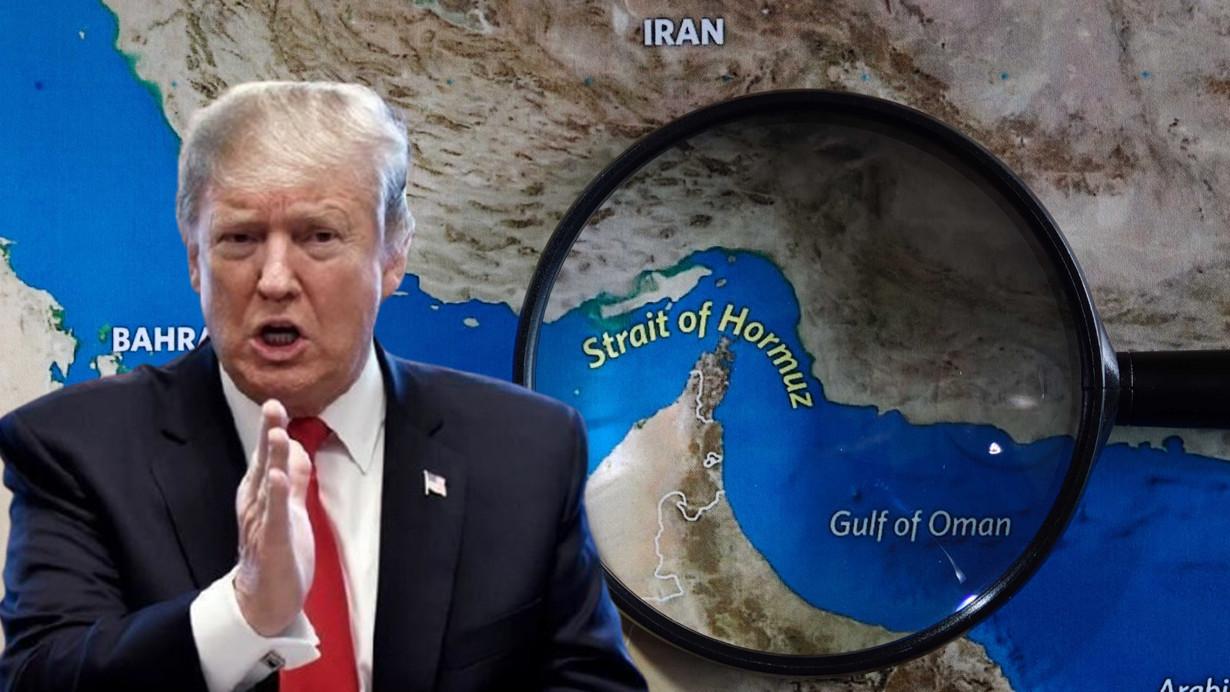
US President Donald Trump confirmed the development in posts on Truth Social, saying he had ordered the immediate removal of a US naval blockade of Iranian ports and that the Strait of Hormuz would reopen once the agreement is signed.
“Ships of the World, start your engines. Let the oil flow!” Trump wrote.
In another post, he said the deal “will bring Peace and Security to the whole Region.”
Iran’s deputy foreign minister, Kazem Gharibabadi, also confirmed the end of military operations during an interview with Iranian state television, which described the agreement as a victory for Iran. However, the deal has drawn criticism from some Israeli politicians.
Israeli Defence Minister Israel Katz said Israel opposed any withdrawal from Lebanese territory currently occupied by Israeli forces and warned that any Iranian attack linked to developments in Lebanon would be met “with full force.”
Far-right National Security Minister Itamar Ben Gvir wrote on X that “Trump’s agreement does not bind us,” while opposition politician Yair Golan argued that the arrangement had been “made over Israel’s head.”
The conflict between the US and Iran began after Israeli and American strikes targeted Iran, including attacks that reportedly killed Iran’s supreme leader. Iran responded with missile attacks on Israel and strikes against US bases and assets in Gulf countries.
A ceasefire was initially agreed on April 8, but intermittent exchanges of fire continued afterward, including clashes involving Hezbollah and Israel in Lebanon.
The Strait of Hormuz, through which about 20 per cent of the world’s oil and natural gas passes, had effectively been closed since the conflict escalated in late February, contributing to rising global fuel prices.
Trump said the agreement would allow oil to flow freely through the route again, potentially easing pressure on global energy markets.
Western leaders, including those of the UK, France, Germany and Italy, welcomed the announcement but reiterated that Iran must never acquire a nuclear weapon. They also signalled readiness to lift certain sanctions if Iran takes verifiable steps regarding its nuclear programme.
The coming weeks are expected to determine whether the framework agreement can evolve into a durable peace arrangement capable of stabilising the wider Middle East region.
Written by
Our Reporter
SkyHigh NewsHub correspondent.