
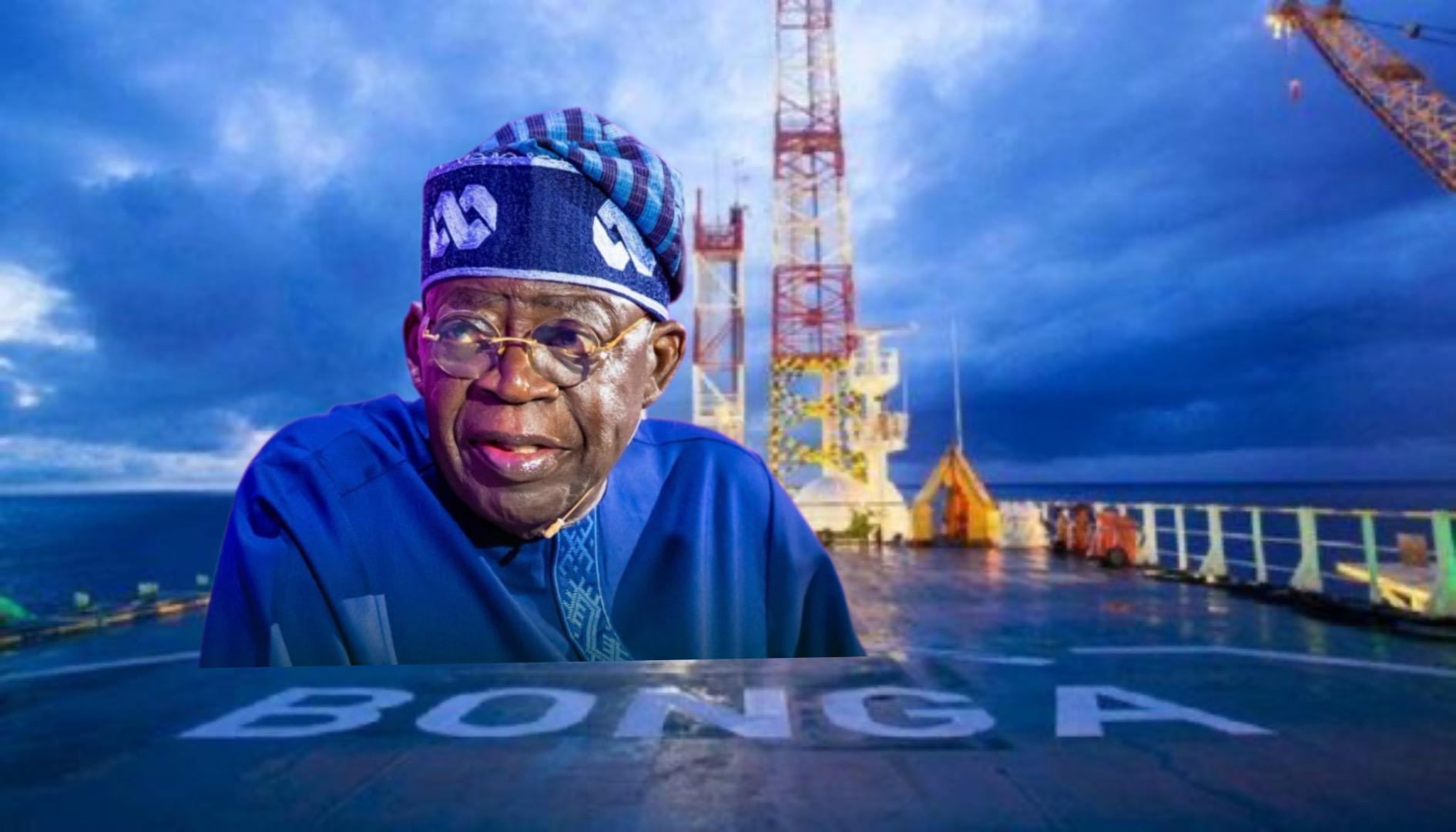
Tinubu Approves Tax Incentives for Shell’s $20bn Deepwater Project as Oil Prices Surge Above $86
By OUR REPORTER · 15/07/2026 6:45 AM · 4 min read
President Bola Ahmed Tinubu has approved a production-linked tax incentive package for Shell's Bonga Southwest Aparo (BSWA) deepwater oil project, a move expected to unlock the project's long-awaited Final Investment Decision (FID) and attract an estimated $20 billion in foreign direct investment (FDI) into Nigeria's oil and gas sector.
The approval comes as global oil prices climbed sharply, with Brent crude rising above $86 per barrel following renewed tensions in the Strait of Hormuz after attacks on oil tankers operating in the strategic shipping corridor.
According to reports, the fiscal package allows Shell and its partners to receive production tax credits of $11.50 per barrel of crude oil produced, significantly higher than the standard incentive currently available under Nigeria's fiscal framework.
The incentive is intended to improve the commercial viability of the Bonga Southwest Aparo project and encourage investment in Nigeria's deepwater assets. Government sources also indicated that the policy will extend to qualifying new deepwater projects undertaken by other operators and remain in force until at least 2029.
The presidential approval follows months of technical and commercial negotiations involving NNPC Limited, the Nigeria Revenue Service (NRS), the Office of the Special Adviser to the President on Energy, Olu Verheijen, and Shell Chief Executive Officer Wael Sawan.
The discussions culminated in President Tinubu directing relevant agencies to accelerate the approvals and fiscal measures required to move the strategic offshore project to its final investment stage.
The Bonga Southwest Aparo development is projected to produce approximately 150,000 barrels of crude oil per day alongside about 140 million standard cubic feet of natural gas per day upon completion.
Industry stakeholders believe the investment will significantly strengthen Nigeria's crude oil production capacity while boosting government revenue, employment opportunities and local economic activity.
The project is also expected to become the first Final Investment Decision on a Nigerian deepwater Production Sharing Contract (PSC) asset since 2008, marking a major milestone for the country's offshore oil industry after years of delayed investments.
Government officials said the fiscal package includes an enhanced Production Tax Credit and the resolution of outstanding issues arising from the 2021 dispute settlement agreement, creating what they described as a more competitive investment environment that balances national revenue interests with investor returns.
The Group Chief Executive Officer of NNPC Limited, Bashir Ojulari, described the approval as evidence of the administration's commitment to restoring investor confidence in Nigeria's petroleum industry.
He said the development reflects the Federal Government's determination to structure commercially viable transactions capable of attracting large-scale investments into the sector.
Oil Prices Rise After Strait of Hormuz Attack
Meanwhile, global crude oil prices continued their upward climb on Tuesday after fresh security concerns emerged in the Middle East.
Brent crude, the international benchmark, gained about three per cent to trade above $86 per barrel, while the United States benchmark, West Texas Intermediate (WTI), rose by more than three per cent to trade above $80 per barrel.
The rally followed reports of attacks on two Very Large Crude Carriers (VLCCs) operating in the southern shipping lane of the Strait of Hormuz, one of the world's most important oil transit routes.
According to the United Arab Emirates Ministry of Defence, the vessels, Al Bahyah, owned by ADNOC Logistics and Services and Mombasa B, operated by ADNOC L&S under a time-charter arrangement were struck by Iranian cruise missiles while transiting Omani territorial waters.
The UAE said one Indian crew member aboard the Mombasa B was killed during the attack, while eight others sustained injuries, including four who were reported to be seriously wounded.
The UAE government condemned the incident as a serious violation of international law and warned that it reserved the right to respond.
ADNOC Logistics and Services also confirmed the attacks and said both vessels sustained significant damage.
The renewed escalation has heightened concerns over the security of oil shipments through the Strait of Hormuz, a critical maritime route through which a significant share of the world's crude oil exports passes, further fuelling volatility in global energy markets.
For Nigeria, where Bonny Light, Qua Iboe, Forcados and Brass River remain key export crude grades, sustained higher international oil prices could improve export earnings, although continued geopolitical instability also poses risks to global energy supply chains and market stability.
Written by
Our Reporter
SkyHigh NewsHub correspondent.