
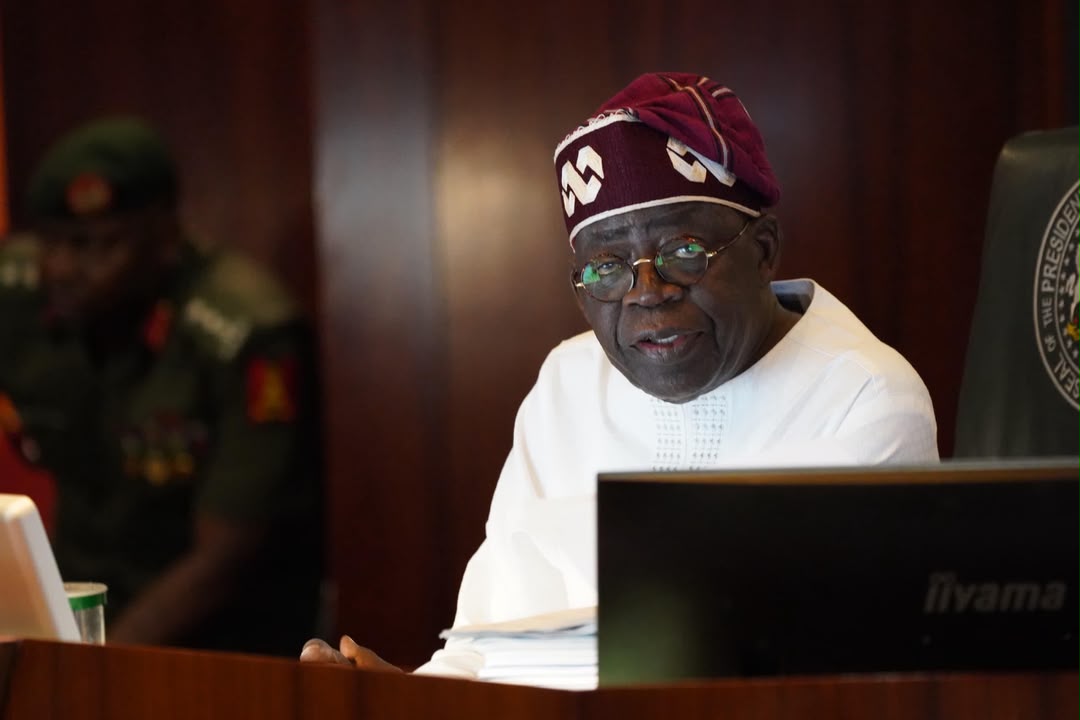
The Battle for a Second Term: How Tinubu's Record Will Be Judged by Voters
By MEEMA SAAHIB · 26/07/2026 11:57 AM · 9 min read
When President Bola Ahmed Tinubu declared during his inaugural speech on May 29, 2023, that "Fuel subsidy is gone," the announcement marked the beginning of one of Nigeria's most ambitious and controversial economic reform programmes in decades.
The decision, alongside the deregulation of the foreign exchange market, fundamentally reshaped Africa's largest economy.
While supporters of the Tinubu administration viewed the reforms as long overdue to restore fiscal discipline, attract investment and correct structural distortions, critics warned that they would deepen hardship for millions of Nigerians already struggling with rising living costs.
Three years later, as political parties position themselves for the 2027 presidential election, the national conversation has shifted.
The question is no longer whether the reforms were necessary, but whether they have translated into meaningful improvements in the lives of ordinary Nigerians.
For the ruling All Progressives Congress (APC), the election is expected to serve largely as a referendum on President Tinubu's first term.
For millions of Nigerians grappling with the rising cost of food, transportation and electricity, however, the ballot may be less about economic theory than about everyday survival.
"The average voter is more interested in what happens at the market than in what happens on the stock exchange. People will ultimately judge the administration by whether their quality of life has improved," said political analyst Dr. Sabi'u Salihu.
Salihu said tax reforms, like other economic reforms, could either stimulate growth or hurt businesses depending on how they are designed and implemented.
According to him, reforms that focus solely on increasing government revenue without addressing the realities facing small and medium-sized enterprises (SMEs) are unlikely to achieve sustainable economic growth.
"Well-articulated reforms that balance revenue needs with incentives for investment and fairness tend to support economic expansion. But reforms that ignore the challenges confronting businesses risk slowing economic activity instead," he said.

Supporters of the Tinubu administration argue that the difficult decisions taken since 2023 are beginning to stabilise the economy.
They point to improving public finances, greater exchange-rate stability, rising foreign reserves and renewed investor confidence as evidence that the reforms are gradually yielding results.
International financial institutions broadly share the view that Nigeria's macroeconomic fundamentals have improved, while cautioning that the benefits have yet to be widely felt by ordinary citizens.
In its 2026 Article IV Consultation, the International Monetary Fund (IMF) said Nigeria's reforms had strengthened macroeconomic stability and resilience. The Fund projected economic growth of 4.1 per cent in 2026, following an estimated 4.0 per cent expansion in 2025, citing improved fiscal management, exchange-rate reforms and stronger external buffers.
Nigeria's foreign reserves also increased significantly between late 2024 and 2025, reflecting improved oil receipts, stronger foreign exchange inflows and renewed investor confidence.
Yet behind those encouraging macroeconomic indicators lies a far more complex reality.
The IMF estimates that about 63 per cent of Nigerians now live below the national poverty line, while millions continue to face food insecurity despite improvements in headline economic indicators.
Although inflation declined from the record levels recorded in 2024 following the rebasing of the Consumer Price Index by the National Bureau of Statistics (NBS), households continue to grapple with persistently high food prices, transport costs and energy expenses.
For many Nigerians, discussions about GDP growth, foreign reserves and investor confidence remain far removed from their daily realities.
Salihu argued that the reforms have so far worsened living conditions for many Nigerians.
He described the removal of fuel subsidy as the beginning of the country's present economic hardship and criticised the government's handling of the foreign exchange market, saying the naira's continued weakness against the US dollar had further undermined the economy.
He also cited rising poverty, inflation, insecurity, weak consumer protection and governance challenges as evidence that the expected gains of the reforms have yet to reach ordinary Nigerians.
"Economic reforms are judged by their impact on people's lives, not simply by economic statistics. The government still has a great deal to do before ordinary Nigerians begin to feel the benefits," he said.
At Kasuwan Daji Market in Sokoto, foodstuff trader Ilyasu Bello said consumer purchasing power has weakened considerably since the reforms began.
"People still come to the market, but many can no longer afford what they used to buy," he said. "Instead of buying a full basket of tomatoes, they now ask for half or even a quarter."
The story is similar for transport operators.
Jamilu Anaruwa, a commercial tricycle rider, said higher fuel prices continue to squeeze drivers despite improvements in fuel availability.
"Passengers complain whenever transport fares increase, but we also have families to feed," he said.
This disconnect between improving macroeconomic indicators and continuing household hardship could ultimately shape President Tinubu's political fortunes in 2027.
Government officials insist the pain associated with the reforms was unavoidable.
They argue that removing fuel subsidy, unifying the foreign exchange market and implementing tax reforms were necessary to halt unsustainable fiscal leakages, restore investor confidence and place Nigeria on a stronger economic footing.
The Minister of Finance and Coordinating Minister of the Economy, and Chairman of the Presidential Committee on Fiscal Policy and Tax Reforms Taiwo Oyedele, have repeatedly said that the next phase of reforms will focus on ensuring that macroeconomic gains translate into tangible improvements in household welfare.
As part of that effort, the Federal Government recently announced plans to introduce a "shared prosperity" scorecard that will measure progress using indicators such as poverty reduction, real income growth and inequality, rather than relying solely on traditional economic statistics.
Whether those improvements become visible before Nigerians head to the polls remains one of the biggest political questions ahead of the 2027 election.
Security, Infrastructure and Governance: Beyond the Economic Numbers
While the economy is expected to dominate public debate ahead of the 2027 presidential election, security remains another major test of the Tinubu administration.
Although security agencies have recorded gains against insurgents, terrorists and armed criminal groups across parts of the North-West, North-East and North-Central, violence continues to disrupt farming, commerce and transportation in many communities.
The International Monetary Fund has identified Nigeria's security situation as one of the biggest risks to sustained economic recovery, warning that persistent insecurity continues to threaten livelihoods, agricultural production and private investment.
For residents of communities repeatedly affected by banditry and kidnapping, the central question is whether life has become safer than it was in 2023.
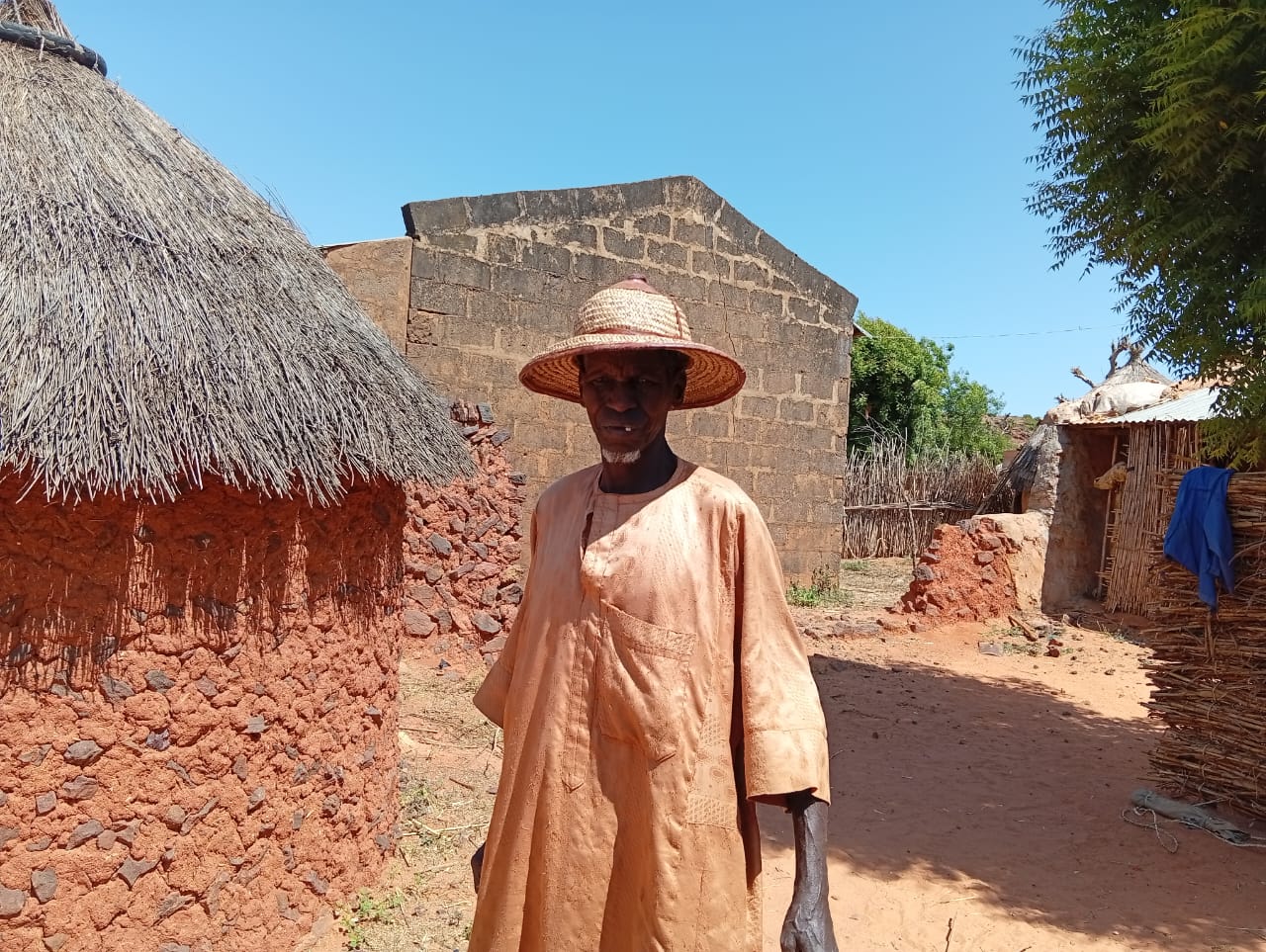
In Isa Local Government Area of Sokoto State, farmer Usman Aliyu said security has improved in some locations but remains fragile.
"Some roads are safer today than before, but many farmers are still afraid to cultivate distant farmlands. Until people can farm without fear, many communities will continue to struggle," he said.
Security analyst Kabiru Adamu, Managing Director of Beacon Consulting, said public perception is shaped less by official security statistics than by everyday experience.
According to him, citizens measure security by their ability to travel freely, cultivate their farms, conduct business and live without fear.
The APC, however, remains confident that President Tinubu's performance will earn him another mandate in 2027.
Yusuf Abubakar Dingyadi, Senior Special Assistant on Media to the APC National Chairman, dismissed suggestions that the President faces any serious political threat.
According to him, opposition parties remain fragmented and have yet to present a compelling alternative capable of defeating the ruling party.
"We already have the people, we know how to market our candidate, and when campaigns officially begin Nigerians will see the achievements of this administration," he said.
Dingyadi said that infrastructure development, social investment programmes and other government interventions, particularly across northern Nigeria, demonstrate that the administration is delivering on its promises.
He acknowledged that insecurity remains a major challenge but maintained that the Tinubu administration inherited the crisis and has shown greater commitment than previous governments in addressing it.
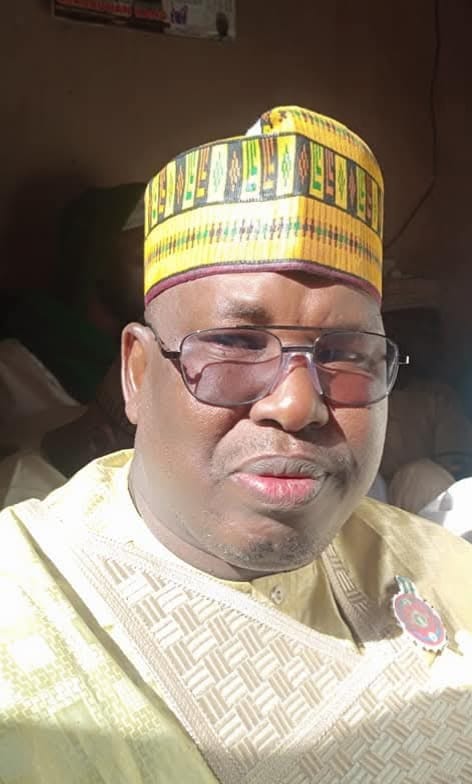
On fuel subsidy removal, Dingyadi described the decision as politically difficult but economically necessary.
According to him, maintaining the subsidy would have continued to drain public resources and exposed Nigeria to greater fiscal risks amid global economic uncertainties.
"Removing fuel subsidy was a bold step towards stabilising the economy. The next challenge is ensuring that the benefits translate into improved living standards for ordinary Nigerians," he said.
Infrastructure is also expected to feature prominently in the administration's campaign.
Across the country, work continues on major highway rehabilitation projects, rail development and other strategic infrastructure investments aimed at improving connectivity, reducing transportation costs and stimulating economic activity.
President Tinubu led administration supporters argue that these projects demonstrate that savings from fuel subsidy removal are gradually being redirected towards long-term national development.
Critics, however, insist that the investments have yet to ease the immediate financial pressures facing many households.
Electricity presents a similar challenge.
Despite reforms intended to attract private investment and improve electricity supply, millions of households and businesses continue to depend on generators, increasing production costs and limiting the competitiveness of small businesses.
Data from the Nigerian Electricity Regulatory Commission (NERC) show that electricity generation has occasionally exceeded 5,500 megawatts, still far below Nigeria's estimated demand of more than 25,000 megawatts.
The World Bank estimates that unreliable electricity supply continues to cost the Nigerian economy trillions of naira annually and remains one of the country's biggest obstacles to private-sector growth.
Governance is expected to remain another defining issue ahead of the election.
The administration has promoted tax reforms, regional development commissions and local government financial autonomy as measures designed to strengthen public institutions and improve service delivery.
Tinubu supporters still argues that these initiatives lay the foundation for sustainable development, while critics counter that concerns over transparency, accountability and the rising cost of living continue to overshadow the government's achievements.
As the race towards the 2027 presidential election gathers momentum, Nigerians will increasingly weigh promises against personal experience.
For the ruling APC, the campaign will centre on the argument that difficult reforms are beginning to reposition the economy and lay the foundation for lasting prosperity.
While for the opposition, their position on the country’s inflation, unemployment, insecurity and the declining purchasing power of ordinary citizens will remain some of the talking points during the electioneering campaigns.
In the end, the verdict will rest not with politicians or economists but with millions of voters, whose decisions are likely to be shaped by a simple question: Has life become better than it was in 2023?
Written by