
Thailand Hands Death Sentence To Two Men Over 2015 Shrine Blast That Killed 20
By OUR REPORTER · 11/06/2026 9:53 AM · 3 min read
A Thai court has sentenced two men from China’s Uyghur minority to death after finding them guilty of carrying out the deadly 2015 bombing at Bangkok’s famous Erawan Shrine, the worst terrorist attack in Thailand’s modern history.
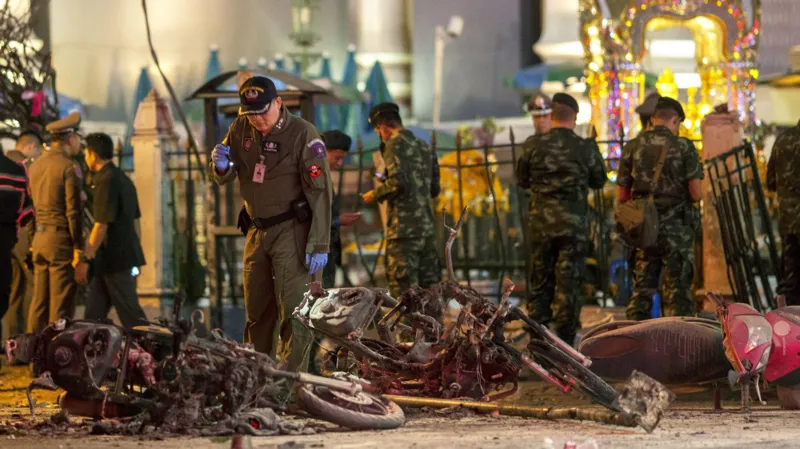
The blast, which occurred on August 17, 2015, ripped through the crowded shrine located in the heart of the Thai capital, killing 20 people and injuring more than 120 others, many of them foreign tourists.
The court convicted Bilal Mohammad and Yusufu Mierali of planning and executing the attack after a legal process that lasted nearly a decade. Both men had consistently maintained their innocence throughout the proceedings.
The bombing shocked Thailand and the international community, raising urgent questions about security in one of Southeast Asia’s most visited tourist destinations.
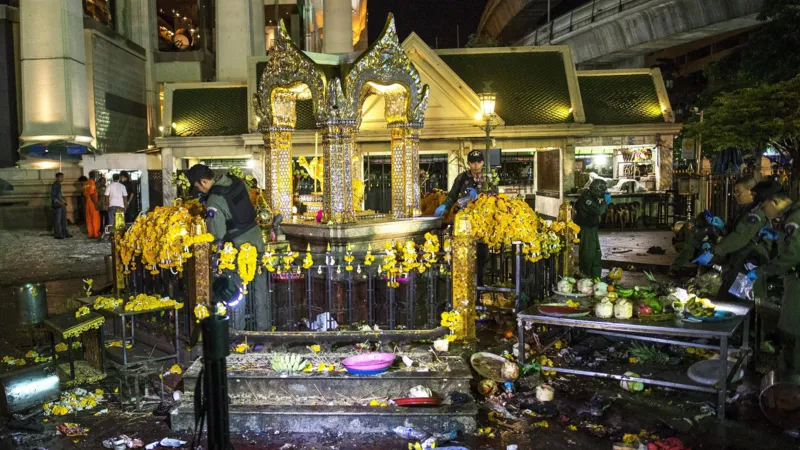
Witnesses described scenes of chaos and devastation as the powerful explosion tore through worshippers and passersby. Emergency responders rushed to the scene, treating victims amid widespread destruction and panic.
Despite the convictions, the verdict has reignited debate about the credibility of the investigation and the lengthy judicial process that followed.
From the outset, the case was surrounded by controversy. Critics accused authorities of rushing to restore normalcy in Bangkok’s tourism district, noting that the bombing site was cleaned up and reopened within days of the attack.
Investigators relied heavily on limited surveillance footage that showed a man leaving a backpack near the shrine shortly before the explosion. However, questions persisted about whether the suspects eventually arrested matched the individual seen in the footage.
Within two weeks of the attack, Thai authorities arrested Bilal Mohammad at a residence on the outskirts of Bangkok, where bomb-making materials were allegedly discovered. Yusufu Mierali was later apprehended in neighbouring Cambodia and extradited to Thailand.
Initially, police indicated that neither man was the individual captured on security cameras. However, prosecutors later charged Mohammad as the principal suspect behind the bombing.
The attack was widely linked to Thailand’s controversial deportation of more than 100 Uyghur men to China a month before the explosion. The Erawan Shrine was known to attract large numbers of Chinese visitors, leading many analysts to speculate that the bombing may have been an act of retaliation.
Thai authorities, however, repeatedly rejected that theory, offering alternative explanations ranging from domestic political motives to disputes involving human trafficking networks.
The trial itself was plagued by repeated delays, largely due to disputes over translators for the defendants, who insisted on Uyghur-speaking interpreters rather than those provided through official channels.
Human rights organisations have sharply criticised the proceedings. The International Commission of Jurists described the case as being marked by serious procedural concerns and alleged human rights violations.
The defendants also claimed they were tortured while in military custody and forced to make confessions, allegations Thai authorities denied.
Following the judgment, defence lawyers announced plans to appeal the verdict, ensuring that one of Thailand’s most controversial terrorism cases remains far from over.
Written by