
Sri Lanka Bans Junk Food In Schools To Combat Rising Obesity, Diabetes
By OUR REPORTER · 23/06/2026 8:15 PM · 3 min read
Sri Lanka has begun enforcing a nationwide ban on junk food in schools, removing a wide range of fast foods, sugary snacks and processed beverages from school menus as authorities move to address growing concerns over childhood obesity and diet-related diseases.
The new regulations, which took effect on Tuesday, prohibit schools from selling or providing foods and drinks considered high in sugar, salt and unhealthy fats.
The move affects approximately four million students across the country and represents one of the most comprehensive school nutrition reforms introduced by the Sri Lankan government in recent years.
Public health inspectors have been directed to enforce guidelines issued by the Ministry of Education, which officials say are aimed at improving children's eating habits and reducing long-term health risks.
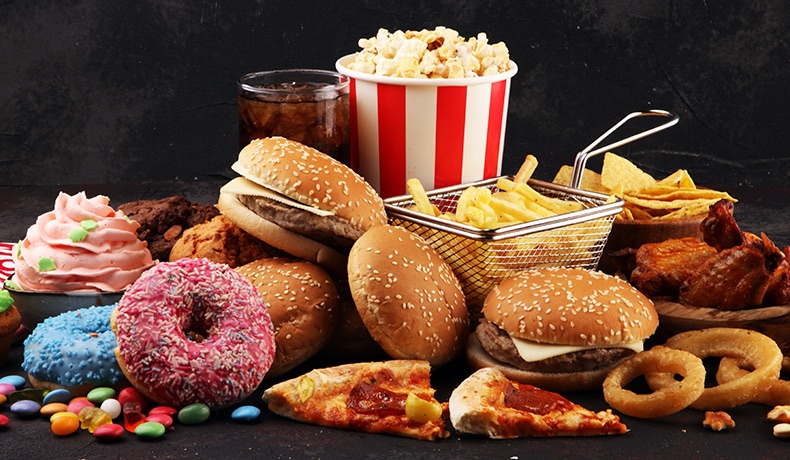
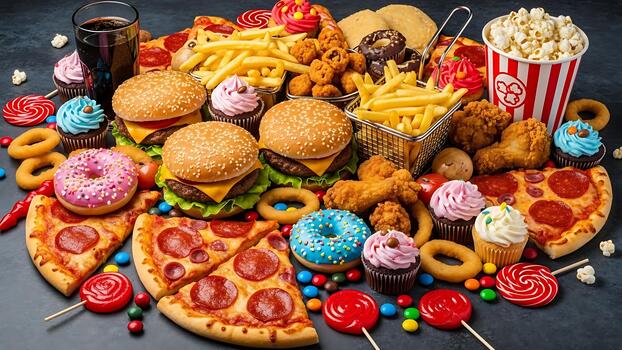
Under the new rules, foods such as burgers, pizzas, hot dogs, doughnuts, biscuits, pastries, ice cream and deep-fried snacks have been removed from approved school menus.
Flavoured milk, energy drinks and even condiments such as tomato sauce are also included in the ban.
According to the Ministry of Education, unhealthy eating patterns among children are contributing to nutritional problems and increasing the risk of non-communicable diseases later in life.
“Poor eating habits among children directly contribute to the increase in nutritional problems and, later, to the rising incidence of non-communicable diseases such as diabetes, heart disease and cancer,” the ministry said.
Although Sri Lanka lacks comprehensive national data on childhood diabetes, cancer and heart disease, health officials say evidence from hospitals and clinics suggests cases linked to poor nutrition are becoming more common.
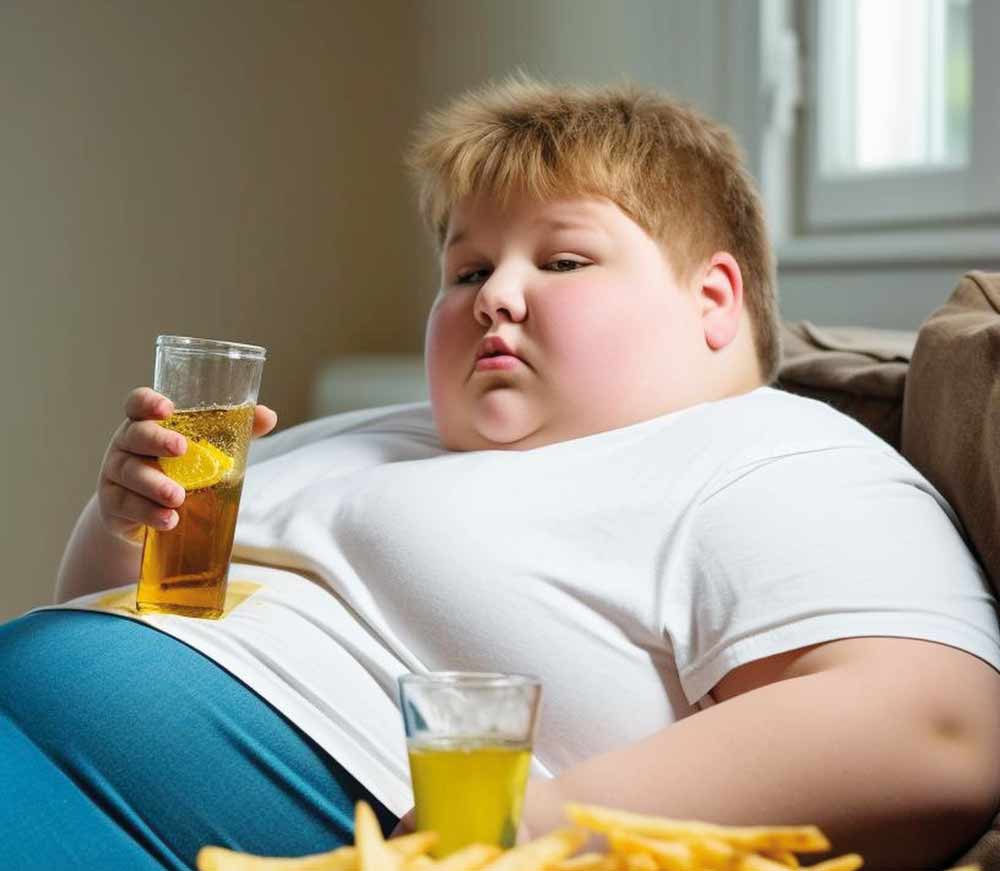
Government statistics show that as of 2024, about 12 per cent of children aged between 13 and 17 were overweight, while a further three per cent were classified as obese.
The ban comes amid a changing public health landscape in Sri Lanka, where undernutrition and obesity increasingly coexist.
While many families continue to struggle with poverty and food insecurity, health authorities are simultaneously confronting rising rates of obesity, particularly among urban children exposed to processed foods and sugary beverages.
To encourage healthier diets, the education ministry has advised schools to promote meals based on rice, fresh fruits, vegetables, fish, meat, eggs, natural fruit juices, fresh milk and beverages containing only small amounts of sugar.
Officials have also distributed recipes and nutritional guidelines designed around locally available ingredients to help schools prepare healthier meals.

In addition to food restrictions, schools have been instructed not to allow companies that market unhealthy foods to sponsor school events or activities.
The policy forms part of a broader effort to improve child nutrition and reduce future healthcare burdens associated with lifestyle-related illnesses.
The challenge remains significant.
According to UNICEF, approximately 17 per cent of Sri Lankan children under the age of five experience stunted growth due to malnutrition.
At the same time, economic hardship continues to affect many households. World Bank estimates indicate that about one-quarter of Sri Lanka's population lived below the poverty line in 2024, although that figure is expected to decline modestly this year.
Despite these challenges, authorities believe improving school nutrition is a critical investment in the country's future health outcomes.
Officials say the success of the programme will depend on effective enforcement, cooperation from schools and parents, and continued efforts to promote healthier eating habits among children.
Written by
Our Reporter
SkyHigh NewsHub correspondent.