
South Africa Tightens Security As Anti-Migrant Deadline Sparks Nationwide Protests
By OUR REPORTER · 30/06/2026 11:30 AM · 3 min read
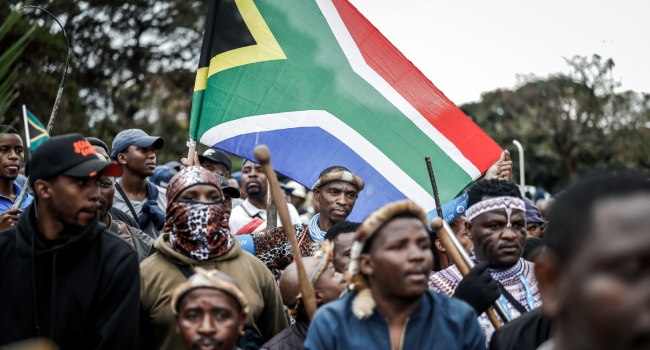
South African authorities deployed heavily armed police across major cities on Tuesday following an unofficial deadline issued by anti-immigrant groups demanding that undocumented foreign nationals leave the country, amid fears of widespread xenophobic violence.
The increased security presence came as thousands of migrants sought refuge or assistance to return to their home countries, prompting several African governments to begin evacuation and repatriation efforts.
Police officers were stationed across key locations, including Johannesburg and Durban, to prevent violence, looting and attacks on foreign nationals as businesses in parts of the country remained closed and security patrols intensified.
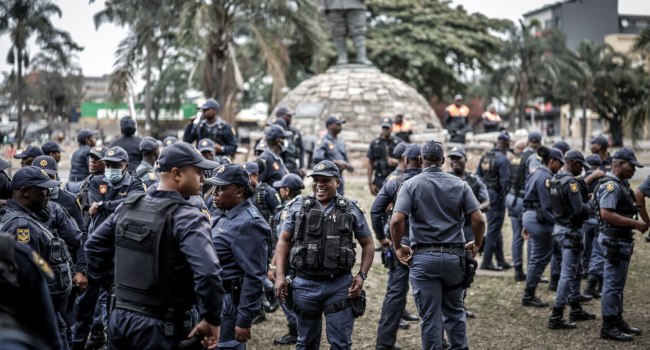
In downtown Johannesburg, the streets were noticeably quieter than usual as officers monitored public spaces while commuters travelled to work.
The protests were organised by a loose coalition of small political parties and citizen-led groups campaigning against illegal immigration. Analysts say the groups have gained significant traction on social media, although some of the claims circulating online have been challenged as misinformation.
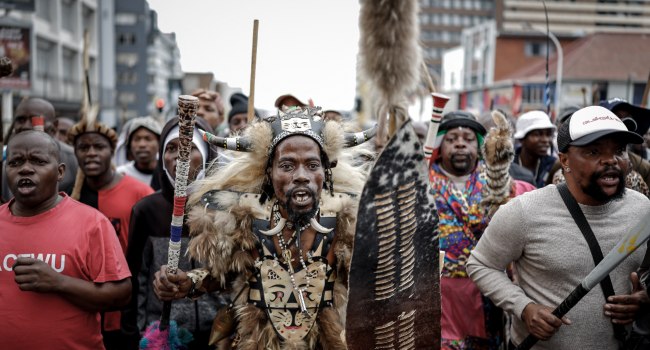
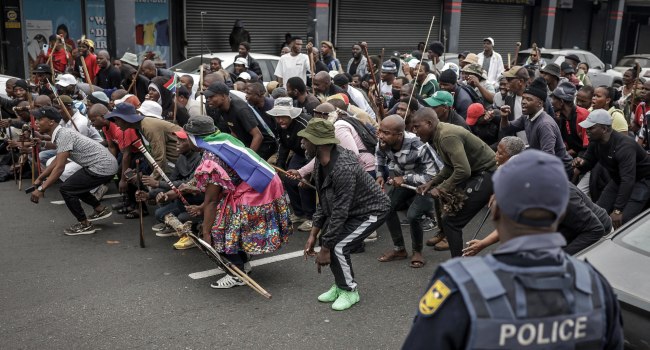
In Durban, groups of demonstrators dressed in traditional Zulu attire gathered while chanting slogans calling for undocumented migrants to leave South Africa, as police closely monitored the protests.
One protester, Selwyn Anderson, claimed undocumented migrants had taken over many small businesses, reflecting concerns frequently expressed by anti-immigration campaigners.
The demonstrations follow weeks of rising anti-immigrant violence in which at least two Mozambicans, one Ethiopian and one Malawian were reportedly killed.
Thousands Seek Evacuation
As tensions escalated, thousands of foreign nationals, particularly citizens of Malawi and Zimbabwe, gathered outside diplomatic missions and designated assembly points in Johannesburg, Cape Town and Durban, seeking assistance to return home.
Many said they had lost their jobs or accommodation as employers and landlords feared reprisals or penalties linked to the anti-migrant campaign.
Uganda has already announced plans to evacuate nearly 750 of its citizens, while other African governments have also begun arranging transport for their nationals.
Government Moves To Prevent Violence
South Africa, one of Africa's largest economies, continues to attract migrants from across the continent despite grappling with unemployment exceeding 30 per cent, persistent crime and mounting pressure on public services.
Political analysts say the migration debate has intensified ahead of the country's local government elections scheduled for November.
Labour analyst Dale McKinley argued that immigration has become a political issue rather than the root cause of South Africa's socio-economic challenges, pointing instead to governance failures, corruption and poor service delivery.
Meanwhile, Jacinta Ngobese-Zuma, leader of the anti-immigration March and March movement, insisted the campaign was intended to remain peaceful, describing June 30 as the beginning of a nationwide mobilisation until undocumented migrants are deported.
The South African government has nevertheless ordered a large-scale security deployment to prevent a repeat of the deadly unrest witnessed in July 2021, when widespread riots and looting claimed around 350 lives.
President Cyril Ramaphosa has announced stronger measures to tackle illegal immigration while urging traditional leaders to help calm tensions.
Similarly, KwaZulu-Natal Premier Thami Ntuli warned that authorities would not allow the province to descend into violence, regardless of concerns surrounding undocumented migration.
The latest developments mark one of the most significant anti-migrant mobilisations in recent years, with governments across southern Africa now coordinating the evacuation of thousands of their citizens as authorities work to prevent further violence.
Written by
Our Reporter
SkyHigh NewsHub correspondent.