
US Senate Rebukes Trump Over Iran Conflict, Calls For Troop Withdrawal
By OUR REPORTER · 24/06/2026 12:42 PM · 4 min read
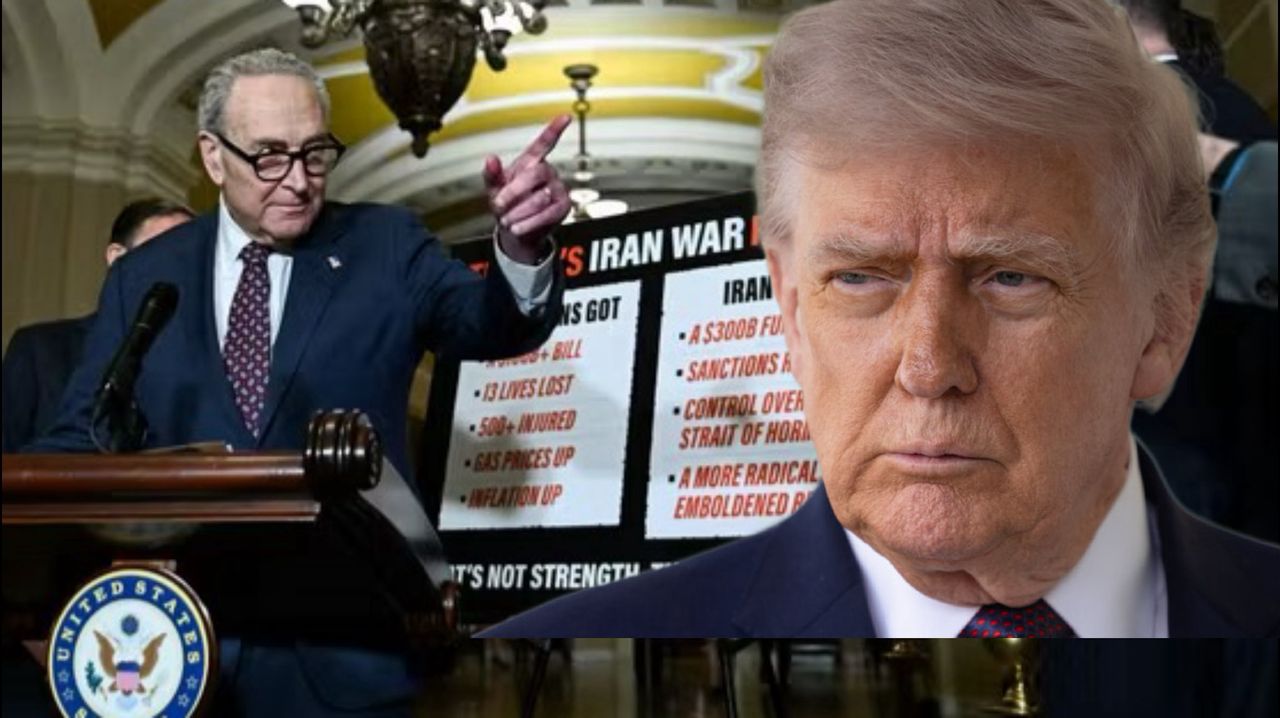
The United States Senate has passed a resolution calling for an end to President Donald Trump’s military involvement in the conflict with Iran, marking a rare bipartisan rebuke of the White House as Washington pursues negotiations aimed at securing a lasting agreement with Tehran.
The measure, which had already been approved by the House of Representatives, was adopted by the Senate in a narrow 50-48 vote on Tuesday.
The resolution directs President Trump to withdraw US forces from hostilities involving Iran unless Congress formally authorises military action.
Although the measure is largely symbolic and does not require the president’s signature because it is a concurrent resolution, its passage places both chambers of Congress on record against the continuation of the conflict without legislative approval.
The vote reflects growing concern among lawmakers over the scope of the president’s military authority and the constitutional requirement for congressional approval of extended military engagements.
Democrats argued that Trump violated constitutional principles by launching military operations against Iran without authorisation from Congress. Senate Democratic Leader Chuck Schumer said lawmakers had a responsibility to formally register their opposition.
“Republicans can complain about Trump’s war, his secrecy and his disastrous deal with Iran all they want behind closed doors, but the only way to ensure this war ends once and for all is for Republicans to act,” Schumer said before the vote.
The resolution also received support in the House from four Republicans who joined Democrats in backing the measure, highlighting divisions within Trump’s political base over the conflict.
President Trump reacted sharply to the Senate’s decision, dismissing the resolution as ineffective. Writing on his Truth Social platform, the president described the vote as “poorly timed and meaningless.”
“These Senators have just made my job more difficult, but I will get it done, one way or the other, because I always get it done!” Trump wrote.
The White House has consistently argued that efforts to restrict the president’s authority over military operations are unconstitutional and could undermine ongoing diplomatic efforts with Iran.
Administration officials have also maintained that active hostilities effectively ended following a ceasefire announced in April.
The war began after coordinated US and Israeli strikes against Iranian targets in late February, triggering a broader regional crisis that disrupted energy markets and heightened tensions across the Middle East.
The conflict contributed to sharp increases in global oil prices after Iran moved to restrict traffic through the strategic Strait of Hormuz, one of the world’s most important energy shipping routes.
The resulting economic fallout has become a growing political issue in the United States ahead of November’s congressional midterm elections. Lawmakers supporting the resolution cited rising energy costs, inflation concerns and broader economic uncertainty as reasons for seeking congressional oversight of military action.
The Senate vote comes as the Trump administration attempts to convert a preliminary memorandum of understanding with Iran into a comprehensive agreement covering Tehran’s nuclear activities, sanctions relief and maritime security. While negotiations have progressed rapidly, significant disagreements remain.
Iranian officials said this week that inspectors from the International Atomic Energy Agency would not be permitted to access nuclear facilities damaged during US and Israeli strikes.
The statement directly contradicted claims by Vice President JD Vance that Tehran had agreed to extensive inspections.
President Trump later insisted that Iran had accepted “the highest level” of nuclear monitoring.
Meanwhile, Iranian parliamentary speaker Mohammad Bagher Ghalibaf signalled that Tehran would continue asserting control over the Strait of Hormuz despite ongoing efforts to keep international shipping routes open.
The vote has revived a longstanding debate in Washington over presidential war powers. Under the 1973 War Powers Resolution, presidents are generally required to obtain congressional authorisation within 60 days of introducing US forces into hostilities.
Successive administrations from both major parties, however, have often disputed how the law applies in practice.
Trump previously vetoed congressional attempts during his first term to limit military involvement in Yemen and Iran.
While Tuesday’s resolution carries no direct legal enforcement mechanism, its approval represents a significant political statement by Congress and signals continued scrutiny of the administration’s handling of the Iran conflict as negotiations with Tehran continue.
Written by
Our Reporter
SkyHigh NewsHub correspondent.