
SERAP Demands Akpabio, Abbas Explain ₦1.3bn Allocation to ‘Non-Existent Presidential Council’ in 2026 Budget
By OUR REPORTER · 05/07/2026 2:30 PM · 2 min read
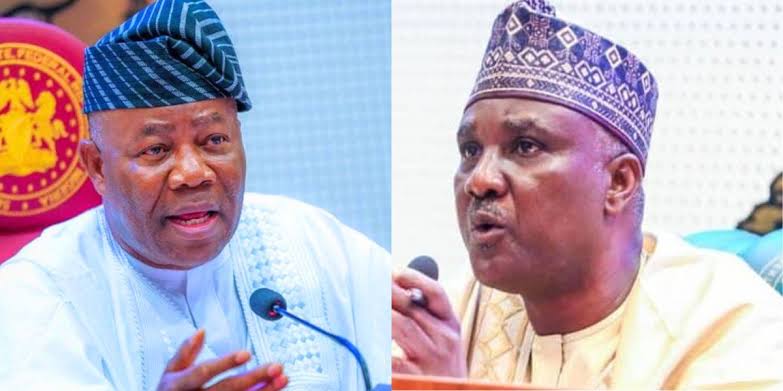
The Socio-Economic Rights and Accountability Project (SERAP) has called on Senate President, Godswill Akpabio, and Speaker of the House of Representatives, Tajudeen Abbas, to provide detailed explanations and certified documentation regarding the reported allocation of over ₦1.3 billion in the 2026 national budget to a body described as the Presidential Foreign Intervention Promotion Council (PFIPC) also linked in reports to the Presidential Economic Advisory Council.
In a Freedom of Information (FOI) request dated July 4, 2026 SERAP demanded access to all official records relating to the consideration, approval and inclusion of the ₦1,302,978,784 allocation in the 2026 Appropriation Act.
The organisation said the request became necessary following conflicting public accounts over the existence of the council, with the Presidency reportedly stating that the PFIPC does not exist and was never established by the Federal Government.
In its request, signed by Deputy Director Kolawole Oluwadare, SERAP asked the National Assembly leadership to release certified copies of documents showing:
How the allocation was introduced and approved in the 2026 budget
The identity of National Assembly committees that handled the budget line
Names and designations of government officials who defended the proposal before lawmakers. The group also urged Akpabio and Abbas to clarify whether the allocation was part of the Executive’s original Appropriation Bill or inserted during legislative amendments.
SERAP further requested confirmation on whether any lawmakers raised objections or sought clarification regarding the legal status and establishment of the alleged council during budget consideration. According to SERAP, the alleged allocation raises “serious concerns” about transparency in Nigeria’s budgeting process, legislative oversight, and public financial management.
The organisation argued that Nigerians have a constitutional right to know whether public funds were appropriated for an institution that may not have been lawfully established. It stressed that the National Assembly has a constitutional duty under Sections 88 and 89 of the 1999 Constitution (as amended) to investigate public expenditure and ensure accountability in the use of government resources.
SERAP warned that it would initiate legal proceedings if its request is not addressed within seven days of receipt. The group said disclosure of the requested documents would help strengthen public trust in the National Assembly and improve transparency in the appropriation process.
It maintained that open access to budgetary records is essential to ensuring that public officials are held accountable and that due process is followed in the allocation of public funds.
The controversy stems from reports that ₦1.3 billion was allocated to the PFIPC in the 2026 Appropriation Act, despite the Presidency’s earlier clarification that the council does not exist and was never created by the Federal Government.
SERAP said the contradiction between official budget documents and the Presidency’s position further underscores the need for a full legislative explanation.
The organisation added that transparency in public finance remains critical to democratic accountability and good governance, particularly where questions arise about the existence and legitimacy of budgeted institutions.
Written by
Our Reporter
SkyHigh NewsHub correspondent.