
Senate Passes State Police Bill, Gives Governors Power to Appoint Police Commissioners
By OZIOMA IWUH · 24/06/2026 4:56 PM · 3 min read
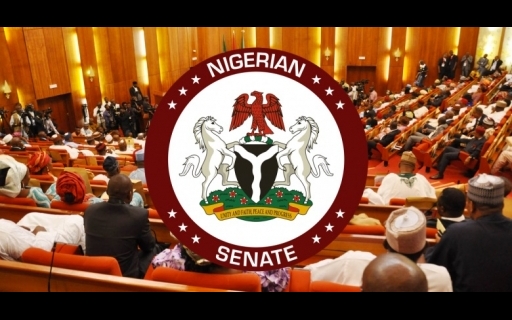
The Senate on Wednesday passed the bill seeking to establish state police across Nigeria, marking a significant step toward one of the country's most debated security reforms.
The proposed legislation aims to create a state policing structure that would operate alongside the existing federal police system, a move supporters say could strengthen local security responses and improve efforts to tackle rising insecurity nationwide.
The bill was approved after lawmakers considered the report of the Senate Committee on the Review of the Constitution, presented by the committee's chairman and Deputy Senate President, Barau Jibrin.
Senators examined the bill clause-by-clause at the Committee of the Whole before proceeding to a final vote.
Senate President Godswill Akpabio subsequently announced the passage of the legislation after more than two-thirds of senators voted in support through a manual voting process conducted by a show of hands.
The Senate Leader, Opeyemi Bamidele, led deliberations on the bill before lawmakers considered its various provisions.
A key feature of the proposed law is the creation of a dual policing structure that allows federal and state police services to function concurrently.
Under Clause 17 of the bill, which addresses appointment, command, direction and tenure, the Inspector-General of Police will remain the head of the Federal Police Service.
However, each State Police Service will be led by a Commissioner of Police appointed by the governor of the state, subject to confirmation by the state's House of Assembly.
The legislation also outlines the relationship between state governors and state police leadership.
Section 17(6) provides that a governor may issue lawful written directives of a general policy nature to the state's Commissioner of Police on matters relating to the maintenance of public safety and public order.
The bill, however, includes provisions designed to prevent the misuse of state police for political purposes.
Section 17(7) states that a state's Commissioner of Police shall not arrest, detain, investigate or deploy force against any individual, political party or group solely for criticising the government, except in accordance with the law.
The provision seeks to ensure that state police powers are exercised within the bounds of due process and existing legal frameworks, addressing longstanding concerns that governors could potentially use state-controlled security agencies against political opponents.
The passage of the bill represents a major milestone in the ongoing national conversation on restructuring Nigeria's security architecture.
For years, advocates of state policing have argued that a centrally controlled police force is overstretched and often unable to respond effectively to local security challenges across the country's diverse regions.
Opponents, however, have repeatedly raised concerns about possible political interference, abuse of power and the potential weaponisation of state-controlled police forces.
The Senate's approval moves the proposal further along the constitutional amendment process, although additional legislative and constitutional procedures must still be completed before the state police framework can become operational.
The development is expected to reignite national debate over the future of policing, federalism and internal security management in Nigeria.
Written by
Ozioma Iwuh
SkyHigh NewsHub correspondent.