
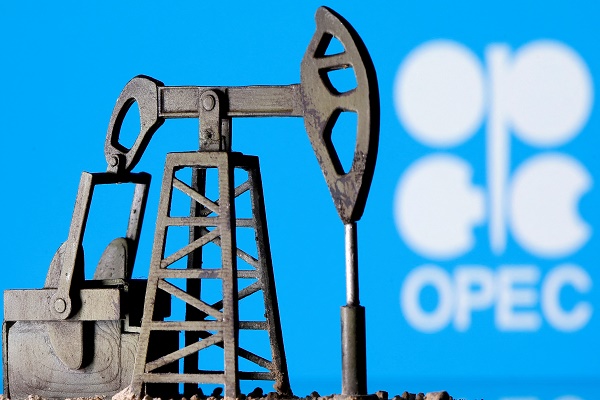
OPEC+ Approves 188,000 bpd Oil Output Increase For August
By OUR REPORTER · 06/07/2026 10:08 AM · 3 min read
OPEC+ has approved a further increase of 188,000 barrels per day (bpd) in oil production from August as the alliance continues its phased rollback of voluntary output cuts introduced in 2023.
The decision was announced in a statement issued after the group's virtual ministerial meeting on Sunday.
The August increase follows similar production adjustments approved for June and July, extending OPEC+'s strategy of gradually restoring supply to the global oil market.
The additional output comes at a time when crude oil prices have weakened, reflecting softer demand, higher supplies from producers outside the Middle East and improving export conditions following the gradual reopening of the Strait of Hormuz to oil shipments.
The seven core producers leading the output adjustment, Saudi Arabia, Russia, Iraq, Kuwait, Algeria, Kazakhstan and Oman have collectively increased their production quotas by almost 800,000 bpd between April and July.
However, much of that increase has remained unrealised because of disruptions caused by the conflict involving the United States, Israel and Iran, which temporarily affected tanker traffic through the Strait of Hormuz, a key export route for several Gulf producers.
According to OPEC data, the group's crude oil production fell to 33.13 million bpd in May, down from 42.77 million bpd in February before output began recovering in June as exports gradually resumed.
Despite the recovery, production remains below pre-conflict levels.
Meanwhile, international benchmark Brent crude traded near $72 per barrel on Friday, retreating sharply from recent highs above $120 per barrel and returning to levels seen before the escalation of hostilities involving Iran.
Market analysts say prices have also come under pressure from weaker Chinese crude imports, stronger exports from non-Middle East producers and a record coordinated release of strategic oil reserves by the International Energy Agency (IEA).
UBS commodities analyst Giovanni Staunovo said attention will remain focused on the pace of exports through the Strait of Hormuz and the recovery in global demand.
"The group of seven kept unwinding their production cuts as widely expected," Staunovo said.
"The near-term focus will remain on how many tankers will manage to cross the Strait of Hormuz and how quickly demand and Chinese crude imports recover."
A memorandum of understanding reportedly reached between Washington and Tehran aimed at ending hostilities has also improved market confidence that normal supply conditions could gradually return.
Alliance faces internal challenges
Beyond production decisions, OPEC+ is also navigating internal changes following the United Arab Emirates' withdrawal from the alliance and calls by Iraq for higher production quotas.
Although OPEC+ has 21 member countries, only the seven core producers have been responsible for implementing the monthly production adjustments since the UAE exited the production agreement.
The seven countries are unwinding a 1.65 million bpd voluntary production cut agreed in 2023.
Following the August increase and after accounting for the UAE's departure from the arrangement on May 1, the producers will still have about 379,000 bpd of the original cuts left to restore, according to Reuters calculations.
If the alliance approves another increase of roughly the same size at its next meeting scheduled for August 2, the seven producers will have fully reversed the 2023 voluntary production cuts.
Written by
Our Reporter
SkyHigh NewsHub correspondent.