
'No Vigilantism': Ramaphosa Speaks Ahead of Anti-Illegal Immigration Protests
By OUR REPORTER · 29/06/2026 10:13 AM · 3 min read
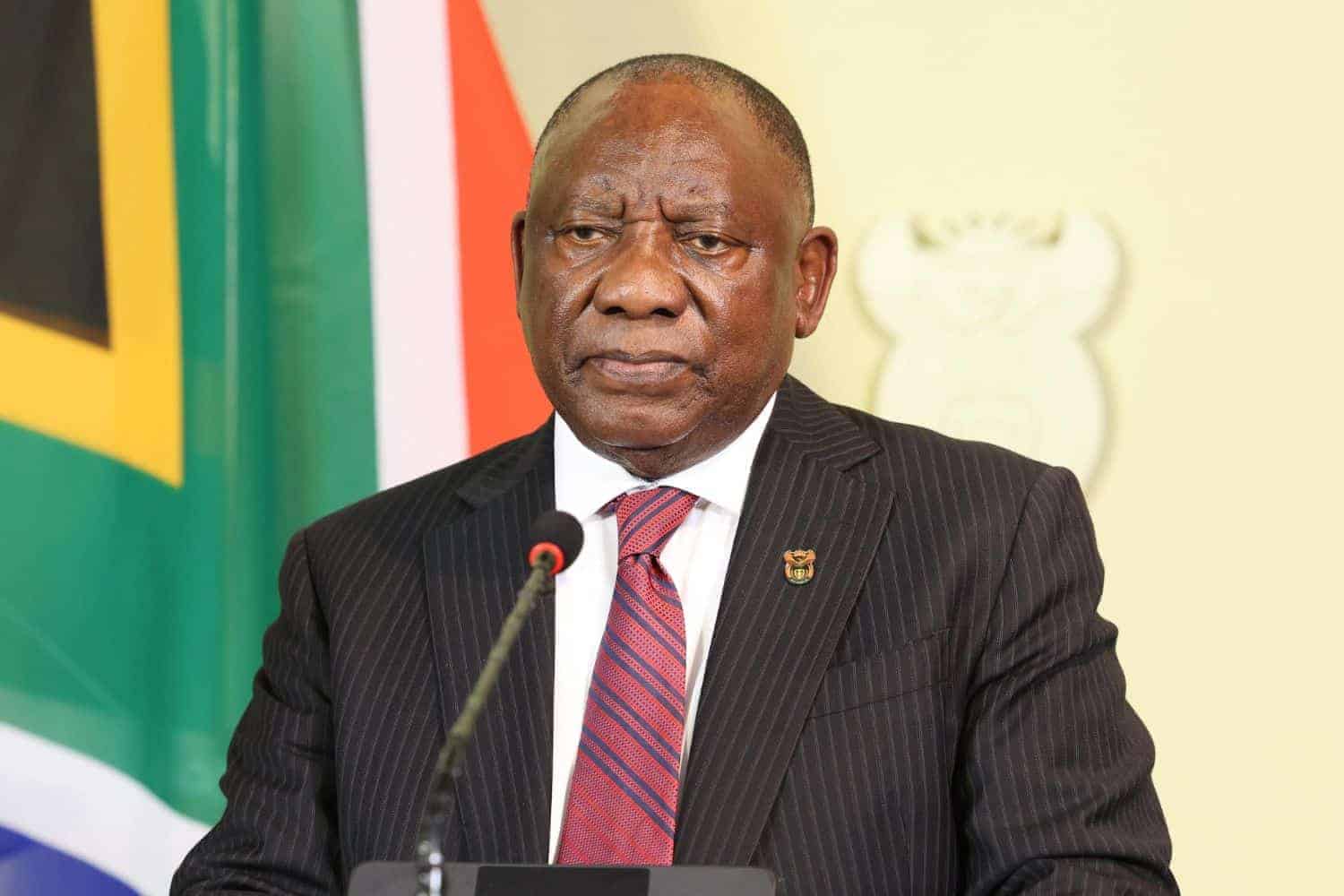
South African President Cyril Ramaphosa has appealed for calm ahead of planned nationwide demonstrations against undocumented immigration, urging protesters to remain peaceful while warning that violence, intimidation and vigilantism will not be tolerated.
In a statement issued on Monday ahead of protests scheduled for June 30, Ramaphosa acknowledged growing public frustration over illegal immigration, border security, pressure on public services and criminal syndicates accused of exploiting South Africa's immigration system.
He said the concerns raised by many South Africans were legitimate and deserved attention.
"These concerns are real and they deserve to be heard," the president said.
However, Ramaphosa stressed that while South Africa's Constitution guarantees citizens the right to protest and express their views, those rights must be exercised within the boundaries of the law.
"The right to protest and freedom of expression does not allow people to threaten or intimidate others, or to engage in acts of vandalism or violence," he said.
Ramaphosa said his administration recognises the need for major reforms to South Africa's immigration system and is already implementing measures to strengthen border security and improve immigration enforcement.
According to him, the government is tightening border management, increasing action against undocumented migration, strengthening the integrity of the asylum and visa system, and tackling corruption that has weakened immigration controls.
He also vowed that officials found facilitating illegal immigration through corrupt practices would be held accountable.
"We are strengthening enforcement where it has been inadequate and addressing corruption wherever it exists," the president said.
Ramaphosa disclosed that government officials had engaged with traditional leaders, organised labour, business groups, religious organisations and civil society in recent weeks, receiving broad support for immigration reforms anchored on the rule of law.
While welcoming assurances from some protest organisers that the demonstrations would remain peaceful, he warned they would be held accountable for ensuring violence did not occur.
"No cause, no matter how legitimate, will be an excuse to shift responsibility for violent acts," he warned.
The president strongly cautioned against individuals taking immigration enforcement into their own hands, describing such actions as vigilantism that has no place in a constitutional democracy.
Referencing South Africa's painful apartheid-era pass laws, Ramaphosa stressed that only authorised law enforcement officers have the legal authority to request identification documents or enforce immigration regulations.
"Taking the law into one's own hands is vigilantism and has no place in our constitutional democracy," he said.
His remarks come amid growing fears that anti-illegal immigration demonstrations could trigger xenophobic attacks against foreign nationals, including migrants from other African countries.
Ramaphosa also reminded South Africans that many foreign nationals are legally resident in the country, where they work, study, run businesses and raise families.
He said these individuals are entitled to the full protection of South Africa's Constitution and laws regardless of the ongoing debate over undocumented migration.
The president assured residents that security agencies had been deployed to maintain law and order during the protests while safeguarding the constitutional rights of peaceful demonstrators.
Calling for unity and restraint, Ramaphosa urged South Africans to pursue immigration reforms through lawful and democratic means rather than violence or division.
He said South Africa had historically overcome difficult national challenges by choosing dialogue, justice and the rule of law over confrontation.
"Throughout our history we have overcome difficult moments not through fear or division, but by choosing law over lawlessness, dialogue over confrontation and justice over vengeance," he said.
He concluded with an appeal for the country to balance national security with respect for human rights.
"Let us protect both our borders and our Constitution, both our security and our humanity. We are capable of doing both, and we must."
Written by
Our Reporter
SkyHigh NewsHub correspondent.