
Nigeria Records 12,954 Violent Deaths In 2025 As Banditry, Kidnappings Worsen
By SKYHIGHNEWSHUB · 28/05/2026 7:59 AM · 4 min read
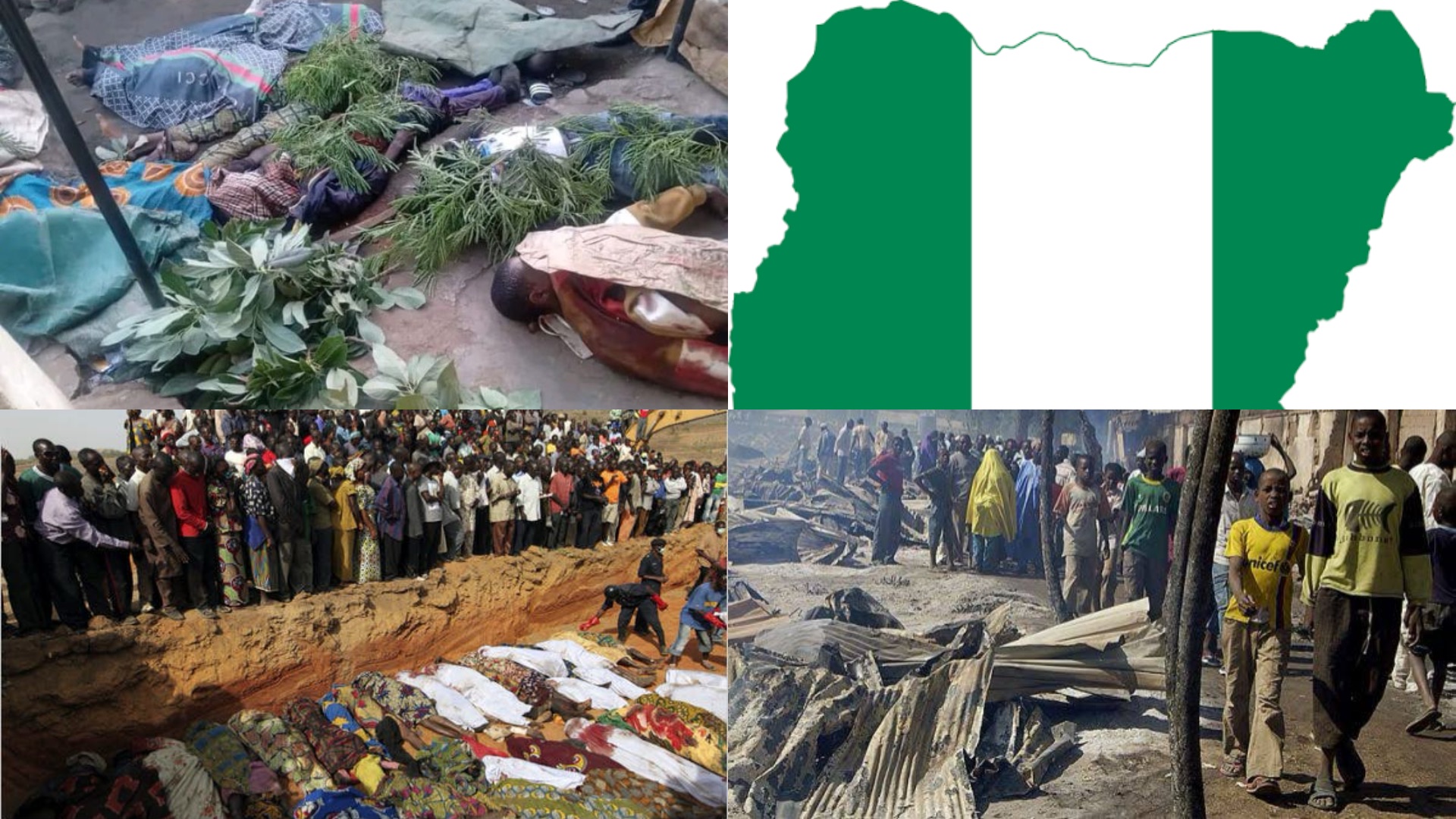
Nigeria recorded 12,954 deaths from violent incidents in 2025, a sharp increase from the 12,162 fatalities documented in 2024, according to the latest Violence in Nigeria report released by Nigeria Watch.
The 15th edition of the report revealed that no fewer than 222,137 people have been killed in 46,182 violent incidents across Nigeria’s 36 states and the Federal Capital Territory between 2006 and 2025.
Compiled by Dr. Vitus Nwankwo Ukoji with support from Dr. Abiola Victoria Ayodokun, the report identified insurgency, rural banditry, kidnappings, farmers-herders clashes and military counter-operations as the major drivers of insecurity across the country in 2025. According to the report’s executive summary, crime-related violence remained the leading cause of deaths in Nigeria, accounting for 47 per cent of all fatalities recorded during the year, while political and religious violence contributed 27 per cent. Road accidents accounted for 13 per cent of total fatalities.
Borno State recorded the highest number of violent deaths in 2025 with 2,221 fatalities, followed by Niger State with 1,438 deaths, Zamfara with 1,426, Benue with 811 and Katsina with 731.
At the other end of the scale, Ekiti emerged as the safest state in the country with only 23 recorded deaths, followed by Bayelsa with 44, Akwa Ibom with 50, Cross River with 62 and Abia with 71 fatalities.
The report further disclosed that Northern Nigeria accounted for 81 per cent of all violent deaths recorded in 2025, while the South contributed 19 per cent.
Nigeria Watch highlighted a dramatic escalation in rural banditry during the year, with fatalities linked to bandit attacks and counter-operations rising from 1,452 in 2024 to 3,974 in 2025.
Zamfara recorded the highest number of deaths from rural banditry, followed by Katsina, Niger, Kebbi and Plateau states.
The report noted that the spread of rural banditry expanded beyond traditional hotspots, increasing from nine affected states in 2024 to 16 states in 2025.
Kwara State witnessed one of the most alarming surges in attacks, particularly in Edu, Ekiti, Moro, Ifelodun and Pategi local government areas.
One incident cited in the report involved the attack on a Christ Apostolic Church in Eruku, Kwara State, on November 18, 2025, where gunmen killed three worshippers and abducted 30 others. The victims were reportedly released after spending five days in captivity. Kidnapping-related deaths also rose significantly during the period, climbing from 425 in 2024 to 747 in 2025.
Zamfara, Katsina and Sokoto states recorded the highest number of kidnapping fatalities, with the report noting that abductions in some northern states were increasingly shifting from ransom-driven operations to organised raids and violent criminal racketeering. According to the report, civilians accounted for 57 per cent of kidnapping victims, while abductors represented 26 per cent of those killed during related confrontations.
Farmers-herders clashes also worsened across several communities in 2025, with fatalities increasing from 567 in 2024 to 1,015.
Benue State recorded the highest number of deaths linked to pastoral conflicts, followed by Plateau and Kebbi states.
In Benue, Guma Local Government Area alone accounted for 39 per cent of fatalities arising from farmers-herders clashes.
The report specifically referenced the deadly attacks on Yelwata community between June 8 and 14, 2025, where over 200 people were reportedly killed.
Boko Haram insurgency and military counter-operations claimed 2,454 lives during the year, with Borno State remaining the epicentre of insurgency-related violence after recording 2,197 deaths.
Adamawa and Yobe states recorded 118 and 21 insurgency-related fatalities respectively.
The report stated that attacks by insurgents included suicide bombings, assaults on military formations, attacks on schools and churches as well as the deployment of landmines.
Nigeria Watch also identified criminal gangs and government security agencies as the two biggest actors involved in lethal violence in 2025.
Criminal gangs were linked to incidents that resulted in 6,166 deaths, while government security operations accounted for 5,438 fatalities.
The report further raised concerns over the growing activities of Mahmuda, a splinter faction reportedly linked to Boko Haram and affiliated with Ansaru, which has allegedly expanded operations into Kwara and Niger states through the Kainji Lake National Park corridor.
On road accidents, Nigeria recorded 1,614 deaths in 2025, slightly lower than the 1,672 fatalities documented in 2024.
Niger State recorded the highest number of deaths linked to road accidents, largely driven by tanker explosions, followed by Ogun and Kano states.
One of the deadliest incidents occurred on January 18, 2025, when about 98 people died while scooping fuel from a fallen petrol tanker at Diko Junction in Suleja Local Government Area of Niger State.
The report also documented 256 deaths from ethno-communal violence across 21 states and the FCT in 2025, with Taraba State recording the highest fatalities, followed by Ebonyi and Edo states.
Land disputes accounted for about 80 per cent of communal violence incidents documented during the year.
On the overall security ranking, Nigeria Watch identified Borno as the most dangerous state in Nigeria in 2025 with 28.3 fatalities per 100,000 inhabitants, followed by Zamfara, Niger, Plateau and Benue states.
Ekiti was ranked the safest state in the country with 0.5 fatalities per 100,000 inhabitants.
The report warned that unless stronger governance, improved security coordination and conflict-resolution measures are urgently implemented, Nigeria’s violence crisis could continue to deteriorate in the coming years.
Written by
SkyhighNewshub
SkyHigh NewsHub correspondent.