
Lagos Revives Olusosun Dumpsite, Targets 3,000 Compactor Trucks to Ease Waste Crisis
By OUR REPORTER · 21/07/2026 6:31 PM · 6 min read
The Lagos State Government has moved to address recent waste evacuation delays across parts of the metropolis, with the Lagos Waste Management Authority (LAWMA) rehabilitating key access infrastructure at the Olusosun disposal facility in Ojota and planning a major expansion of its waste collection fleet.
The state government said the measures were designed to improve the movement of waste collection vehicles, reduce delays and strengthen the capacity of the state's waste management system as Lagos continues to grapple with the volume of waste generated daily.
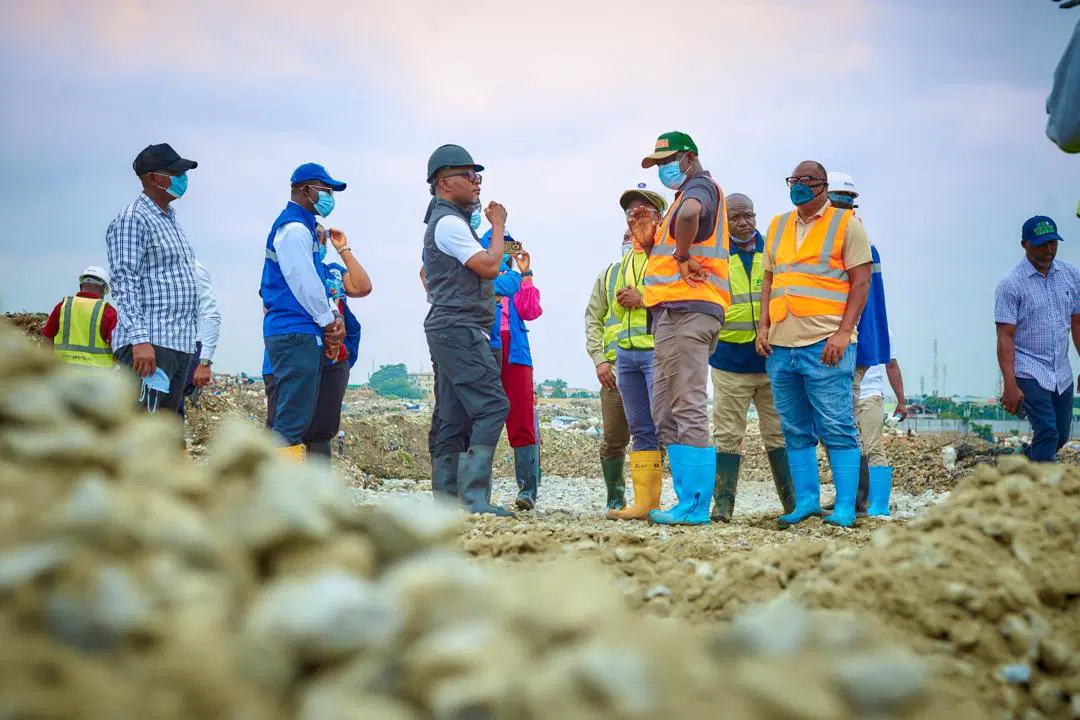
The assurance was given by the Managing Director of LAWMA, Dr. Muyiwa Gbadegesin, during an inspection of ongoing rehabilitation work at the Olusosun facility on Tuesday.
The intervention comes amid concerns over delays in waste evacuation reported in some parts of the state, with LAWMA attributing some of the recent operational challenges to heavy rainfall and poor access to the facility.
Gbadegesin said the rehabilitation of Road E, a key access route into the Olusosun facility, was critical to restoring the smooth movement of compactor trucks and improving their turnaround time.
According to him, the rehabilitation project is expected to ease access to the disposal facility and ultimately improve the evacuation of waste across Lagos.
“The ongoing rehabilitation of Road E will restore seamless access to the facility and substantially improve waste evacuation across the state,” Gbadegesin said.
The rehabilitation work is being undertaken by Zoomlion Nigeria as part of its Corporate Social Responsibility initiative.
Gbadegesin said the project would significantly improve access for waste collection vehicles and help reduce congestion and delays associated with the movement of trucks into and out of the facility.
He explained that recent heavy rainfall had worsened the condition of access roads to Olusosun, affecting the movement of waste trucks and contributing to temporary delays in waste evacuation in some areas.
The LAWMA chief disclosed that the Olusosun facility currently receives approximately 10,000 metric tonnes of municipal solid waste every day, underscoring its importance to the state's waste management infrastructure.
The scale of waste handled at the facility, he said, meant that any disruption to its operations could have wider implications for waste evacuation across Lagos.
However, while the state government remains committed to eventually decommissioning Olusosun as a conventional waste disposal facility, Gbadegesin said the process would be carefully managed to ensure that the transition does not disrupt waste management services.
He explained that the facility would not be fully decommissioned until sufficient alternative infrastructure was available to accommodate the volume of waste generated across the state.
Part of that transition plan involves the development of two modern Transfer Loading Stations (TLS) at Olusosun and Solous III.
According to Gbadegesin, each of the proposed transfer stations will have the capacity to handle 2,500 metric tonnes of waste daily.
The facilities are expected to play an important role in the state's long-term waste management strategy by allowing waste to be consolidated before being transported to final disposal or processing locations.
The model is also expected to reduce the distance travelled by waste collection vehicles, lower transportation costs and improve the efficiency of waste evacuation operations.
Pending the completion of the new transfer infrastructure, LAWMA is also creating additional dumping platforms within the Olusosun facility.
Gbadegesin said the additional platforms would help reduce congestion among compactor trucks and improve operational efficiency while the state works towards expanding its alternative waste management infrastructure.
Beyond the rehabilitation of disposal facilities, the state government is also planning a major expansion of its waste collection fleet.
Gbadegesin disclosed that Lagos had concluded plans to acquire 3,000 compactor trucks of different capacities over the next three years as part of efforts to strengthen waste collection and evacuation across the state.
He said the first phase of the procurement programme would see about 150 new compactor trucks arrive before the end of the year.
The initial batch, he added, would include smaller compactors designed to operate in narrow streets and reach communities where larger waste collection vehicles may have difficulty gaining access.
The planned expansion is expected to complement existing waste collection operations and strengthen the capacity of Private Sector Participants (PSPs) involved in the state's waste management system.
Gbadegesin said Lagos currently requires at least 2,000 operational compactor trucks to effectively manage the volume of waste generated daily across the state.
The planned acquisition of an additional 3,000 trucks, therefore, represents a significant expansion of the state's waste collection capacity over the next three years.
The LAWMA managing director said the additional vehicles would improve the frequency and efficiency of waste collection while helping to address some of the logistical challenges affecting waste evacuation across the metropolis.
He also disclosed that the modern Transfer Loading Station model would gradually be extended to other parts of Lagos.
The expansion, according to him, is aimed at modernising the state's waste management infrastructure, reducing haulage distances and transportation costs, and promoting more sustainable waste management practices.
The development of alternative infrastructure is particularly significant given the state's long-term plan to transition away from reliance on Olusosun as a conventional disposal site.
For years, Olusosun has served as one of the major waste disposal facilities for Lagos, making its continued operation crucial to the state's waste management system even as the government works towards a more modern approach to handling solid waste.
The state's strategy therefore appears to combine short-term interventions, such as the rehabilitation of access roads and creation of additional dumping platforms with longer-term investments in transfer stations and an expanded compactor fleet.
Gbadegesin appealed to Lagos residents to remain patient and cooperate with the authorities as the rehabilitation works and other infrastructure projects are implemented.
He assured residents that the current waste evacuation challenges were temporary and would gradually ease as the ongoing interventions become operational.
The LAWMA chief also reaffirmed the agency's commitment to providing more efficient and sustainable waste management services across Lagos.
He commended the administration of Governor Babajide Sanwo-Olu for its support for initiatives aimed at transforming the state's waste management system.
With Lagos generating thousands of tonnes of municipal waste every day, the success of the state's proposed reforms will ultimately depend not only on the acquisition of more trucks and rehabilitation of disposal facilities, but also on the completion of alternative infrastructure capable of handling the city's rapidly growing waste burden.
For now, LAWMA's immediate priority is to restore smoother access to Olusosun, reduce truck turnaround times and ease evacuation delays, while laying the infrastructure foundation for a broader transition towards a more modern and sustainable waste management system.
Written by
Our Reporter
SkyHigh NewsHub correspondent.