
Iran Fires Fresh Missiles After Israeli Strikes on Military Targets
By OUR REPORTER · 08/06/2026 6:50 AM · 3 min read
A fragile ceasefire between Israel and Iran has come under severe strain after both countries launched fresh attacks against each other, marking the most significant escalation between the regional rivals since a truce took effect two months ago.
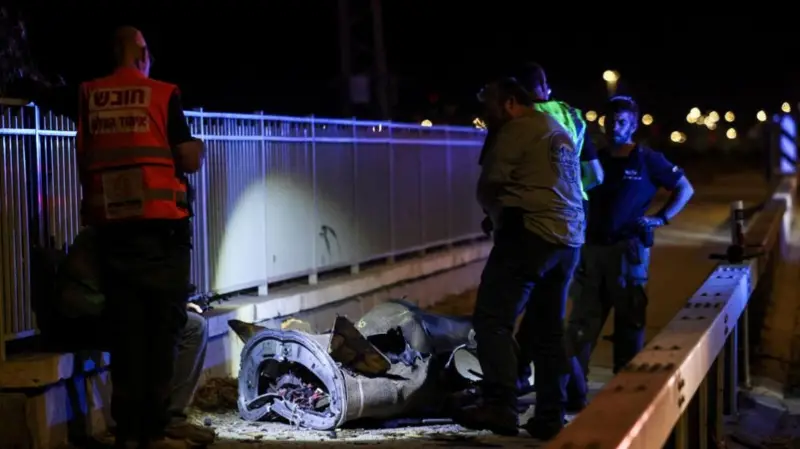
Israeli warplanes struck military targets in central and western Iran early Sunday, prompting a swift response from Tehran, which launched multiple missile barrages towards northern Israel and later expanded attacks to other parts of the country.
The renewed hostilities have heightened fears that months of diplomatic efforts aimed at reducing tensions across the Middle East could unravel, drawing neighbouring countries and armed groups deeper into the conflict.
According to Iranian state media, explosions were reported in Tehran, Isfahan, Tabriz and Najafabad following Israeli air strikes.
Israel's military confirmed that its air force had targeted military infrastructure inside Iran, describing the operation as a response to missile attacks launched from Iranian territory a day earlier.
The Islamic Revolutionary Guards Corps (IRGC) later announced that it had targeted two Israeli air bases at Nevatim and Tel Nof, claiming the attacks were retaliation for Israeli strikes against radar facilities and military sites inside Iran.
Iranian officials described the operation as the beginning of "a full week of continuous strikes", signalling that further military action may follow.
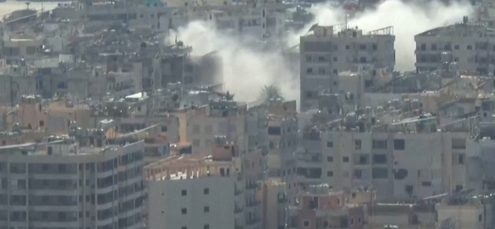
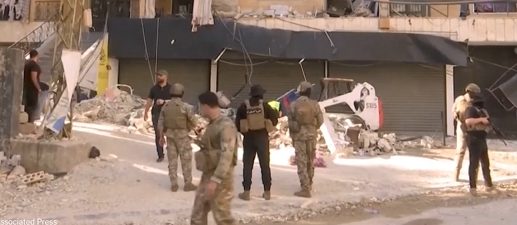
The latest round of confrontation began after Israel carried out air strikes on Hezbollah-linked targets in Beirut's southern suburbs on Sunday.
Israeli military officials said the operation was launched in response to rocket fire from Hezbollah into northern Israel.
Lebanese sources reported casualties from the strikes, while Iran accused Israel of violating the ceasefire framework that had helped reduce tensions in the region since April.
The developments highlight the increasingly interconnected nature of conflicts across the Middle East, where Israel, Iran, Hezbollah and other Iran-aligned groups continue to operate across multiple fronts.
Adding to the complexity, a missile was reportedly launched from Yemen towards Israel on Monday morning, underscoring concerns that the conflict could spread further through the involvement of the Iran-backed Houthi movement.
The renewed violence comes despite efforts by Washington to prevent another major regional confrontation.
US President Donald Trump reportedly urged Israeli Prime Minister Benjamin Netanyahu to avoid retaliatory strikes against Iran following the initial missile launches.
"The Iranian strikes didn't hurt anybody," Trump reportedly said. "Each of them had their fun. We don't need another one."
The comments reflected growing concern within the United States that a direct military confrontation between Israel and Iran could trigger broader instability across the Middle East, disrupt global energy markets and undermine ongoing diplomatic initiatives.
Security analysts note that the current escalation is particularly significant because it marks the first direct exchange of attacks between Israel and Iran since the ceasefire came into force exactly two months ago.
While previous confrontations have often been conducted through proxy groups, the latest strikes demonstrate a willingness by both sides to engage each other more directly.
As military operations continue and missile alerts remain active across parts of Israel, international attention is now focused on whether diplomatic intervention can prevent the situation from spiralling into a wider regional war.
For now, the ceasefire that once offered hope of stability appears increasingly fragile, with both sides showing little sign of backing down.
Written by
Our Reporter
SkyHigh NewsHub correspondent.