
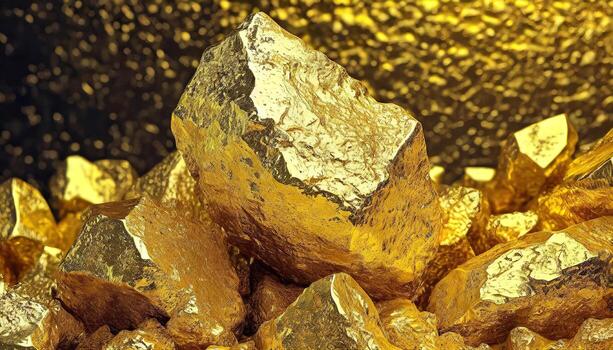
Guinea Bans Raw Gold Exports To Boost Local Refining Industry
By OUR REPORTER · 23/06/2026 12:33 PM · 2 min read
Guinea has announced an immediate ban on the export of unrefined gold as part of a broader strategy to strengthen domestic mineral processing, create jobs and increase the economic value derived from its natural resources.
The decision was announced by President Mamadi Doumbouya following consultations with industrial and artisanal gold producers, traders and other stakeholders in the mining sector.
Under the new policy, all gold produced in Guinea must now be refined within the country before it can be exported.
According to the government, the move is intended to ensure that more of the wealth generated from Guinea’s mineral resources remains within the national economy rather than benefiting foreign refiners and traders.
“Guinea will now require its gold to be processed within its own borders. Raw gold will no longer leave Guinea,” President Doumbouya said while outlining the policy.
He argued that countries which export raw materials without processing them often lose significant economic opportunities, including employment, industrial development and tax revenues.
Guinea is one of Africa’s leading gold producers and currently ranks among the continent’s top exporters of the precious metal.
Government figures show that more than 22 tonnes of gold were exported during the first quarter of 2026 alone.
To support the new policy, authorities said a major gold refinery nearing completion in the capital, Conakry, will serve as the primary processing facility for locally mined gold.
The refinery is expected to have the capacity to process up to 250 tonnes annually, significantly exceeding the country's current production levels.
The government also warned mining companies and gold traders operating in Guinea that violations of the new directive could attract severe sanctions, including the revocation of mining licences and termination of operating contracts.
The policy aligns Guinea with a growing number of African countries seeking to increase value addition within their mining industries.
Several governments across the continent have introduced measures aimed at limiting exports of unprocessed minerals and encouraging local refining and manufacturing.
Tanzania and Uganda have already implemented restrictions on the export of unprocessed minerals, while Ghana has announced plans to phase out raw gold exports by 2030.
Zimbabwe has also moved to strengthen local value addition by banning exports of lithium concentrate from 2027 as part of efforts to develop its battery minerals industry.
Beyond gold, Guinea remains strategically important in the global mining sector as the world's largest producer of bauxite, the key raw material used in aluminium production.
Analysts say the latest move could significantly reshape Guinea’s gold industry by encouraging investment in refining infrastructure, boosting employment and increasing government revenue from the sector.
However, industry observers note that the success of the policy will depend on the country's ability to provide sufficient refining capacity, regulatory certainty and investor confidence while maintaining production levels.
Written by
Our Reporter
SkyHigh NewsHub correspondent.