
DR Congo Bans Mass Gatherings as Ebola Cases Surge, Opposition Cries Foul
By OUR REPORTER · 29/06/2026 3:59 PM · 3 min read
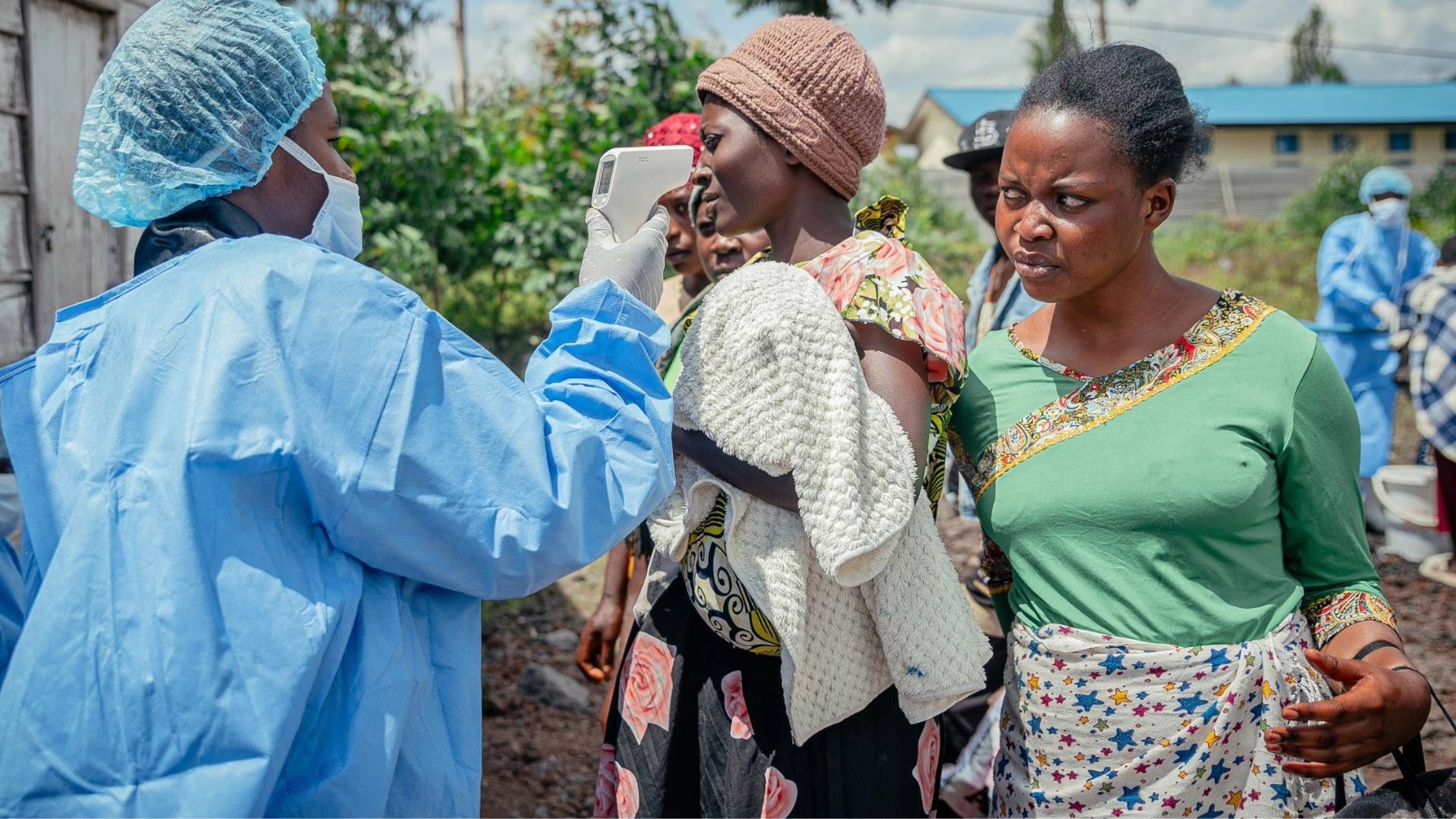
The government of the Democratic Republic of the Congo has banned mass gatherings in the capital, Kinshas and three neighbouring provinces as authorities intensify efforts to prevent the spread of a worsening Ebola outbreak that has already claimed hundreds of lives.
The restrictions, announced by Interior Minister Jacquemain Shabani, also apply to Tshopo, Haut-Uele and Bas-Uele provinces, which border the eastern regions where Ebola infections have been confirmed.
Although no Ebola case has yet been recorded in Kinshasa, home to an estimated 18 million people, officials say the precautionary measure is intended to prevent the virus from reaching the densely populated capital.
The latest directive comes as the outbreak continues to worsen in eastern DR Congo. Health authorities reported that confirmed cases rose by 47 over the weekend, bringing the total number of infections to 1,274, while the death toll increased to 360.
According to the country's Ministry of Health, the outbreak remains concentrated in the eastern provinces of Ituri, North Kivu and South Kivu, with Ituri accounting for more than 90 per cent of all reported infections.
Authorities have already enforced similar restrictions in the affected provinces for several weeks.
The government had earlier ordered a mandatory 21-day quarantine for travellers leaving Ebola-affected areas after a Congolese doctor, who later tested positive for the virus in France, travelled through Kinshasa while returning from one of the outbreak hotspots where he had been working at an Ebola treatment centre.
However, the latest restrictions have triggered strong political criticism.
Opposition leaders argue that the ban is aimed at frustrating a protest march scheduled for July 8 against a proposed constitutional reform that critics say could allow President Felix Tshisekedi to remain in office beyond the country's constitutional two-term limit.
Prince Epenge, spokesperson for the Lamuka opposition coalition, described the government's decision as politically motivated, arguing that no Ebola cases have been confirmed in Kinshasa.
"It is not legitimate. We cannot accept this decision," he said.
Similarly, Rodrigue Ramazani, Secretary-General of the opposition Envol party, urged supporters to ignore the directive, describing it as a political manoeuvre rather than a genuine public health intervention.
The Congolese government has yet to publicly respond to the opposition's allegations.
Meanwhile, neighbouring Uganda has also recorded Ebola infections, with the World Health Organization confirming 20 cases and two deaths.
Health experts warn that the current outbreak, caused by the Bundibugyo strain of the Ebola virus, presents additional challenges because there is currently no approved vaccine against that particular species.
However, the head of the Africa Centres for Disease Control and Prevention has indicated that clinical trials for potential antiviral treatments could begin this week.
International health agencies have also warned that ongoing armed conflict in eastern DR Congo, particularly in areas controlled by the M23 rebel group, is complicating response efforts and making it more difficult for health workers to contain the outbreak.
Ebola is a highly infectious viral disease transmitted through direct contact with infected bodily fluids, including blood and vomit and remains one of the world's deadliest diseases if not detected and treated early.
Written by
Our Reporter
SkyHigh NewsHub correspondent.