
Africa Now World’s Hunger Epicentre as 309 Million Face Undernourishment – UN
By OUR REPORTER · 21/07/2026 6:51 PM · 4 min read
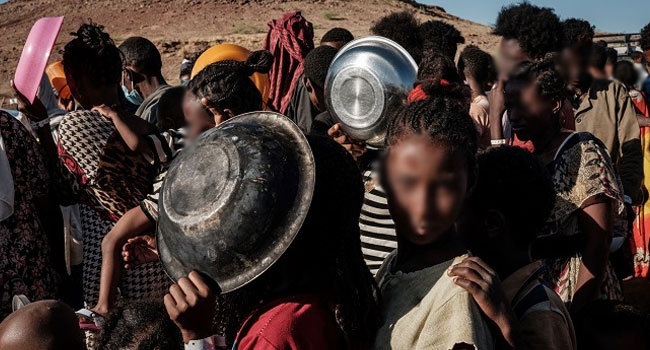
Africa has overtaken Asia as the continent with the largest number of people facing hunger, with an estimated 309 million Africans experiencing undernourishment in 2025, according to a new United Nations report.
The annual report on the State of Food Security and Nutrition in the World, produced by the Food and Agriculture Organisation (FAO) and four other UN agencies, said hunger remains a major challenge despite a gradual improvement in global food security indicators.
The report estimated that about 20 per cent of Africa's population faced hunger last year, compared with 292 million people, or six per cent of the population, in Asia.
“The centre of gravity of hunger has shifted from Asia to Africa,” David Laborde, director of the agrifood economics division at the FAO, told AFP.
Laborde noted that significant progress had been made in reducing hunger in parts of Asia, particularly China, while other countries in the region had intensified efforts to address food insecurity.
The latest figures underscore the widening gap in food security outcomes between Africa and other regions, where hunger levels have generally improved in recent years.
Globally, the proportion of people facing hunger fell from 8.6 per cent in 2022 to 7.8 per cent in 2025, according to the UN agencies.
The decline represents a reduction of about 43 million people, bringing the estimated global number of people facing hunger to 645 million in 2025.
However, the agencies warned that the figure remains above pre-COVID-19 pandemic levels, highlighting the continuing vulnerability of millions of people to food insecurity.
Africa's situation remains particularly concerning. The prevalence of undernourishment on the continent has generally increased since 2017, although the latest estimates indicate some signs of improvement in 2025.
The report also found that access to affordable and nutritious food remains a major challenge across the continent.
The proportion of Africans unable to afford a healthy diet has risen since 2021, even as the figure declined in other parts of the world.
An estimated 66.6 per cent of Africans cannot afford a healthy diet, more than twice the proportion recorded in Asia.
The UN agencies urged African countries to focus on transforming the continent's food systems, particularly the animal-source food sector, which remains one of the most expensive food categories for consumers.
The worsening food security situation has been compounded by a combination of climate-related shocks, armed conflicts, economic pressures and displacement.
Africa has experienced severe climate events in recent years, including droughts and floods that have disrupted agricultural production and threatened the livelihoods of farming communities.
Conflict has further intensified the crisis in several countries by forcing people from their homes and preventing vulnerable populations from accessing farmland and other sources of income.
Laborde cited the wars in Sudan and the Democratic Republic of Congo as examples of conflicts that have worsened food insecurity.
“Conflicts like the one in Sudan… in the Democratic Republic of Congo, also weigh heavily on people who cannot access their land or no longer have any income,” he said.
The situation in Sudan remains particularly severe. The United Nations warned in May that about 20 million people were facing acute food insecurity as the country's war continued to disrupt food production, markets and humanitarian access.
The UN also warned in June that a prolonged conflict in the Middle East could push millions more people into acute hunger, potentially adding to pressure on already fragile global food systems.
Rising energy and fertiliser costs linked to geopolitical tensions have also created additional risks for food production, although Laborde said the impact of those pressures remained relatively limited for the time being.
He cautioned, however, that the crisis was far from over.
The latest UN findings place Africa at the centre of the global hunger challenge and highlight the urgent need for stronger investments in agriculture, climate resilience, social protection and affordable nutrition.
For countries across the continent, the report reinforces concerns that economic hardship, conflict and climate change are increasingly threatening access to adequate food, with millions of households struggling not only to secure enough food but also to afford nutritious diets.
Written by
Our Reporter
SkyHigh NewsHub correspondent.