

Zulum Orders Closure of Bama IDP Camp, Says Gwoza Facility Next
By OUR REPORTER · 25/06/2026 11:39 AM · 4 min read
Governor Babagana Zulum of Borno State has ordered the immediate closure of the Internally Displaced Persons (IDP) camp in Bama, one of the largest displacement facilities outside Maiduguri, as part of the state's ongoing resettlement programme for communities affected by insurgency.
The governor announced the decision on Thursday during a visit to the Government Secondary School IDP camp in Gwoza, where he also indicated that the Gwoza camp would be shut down in the coming weeks.
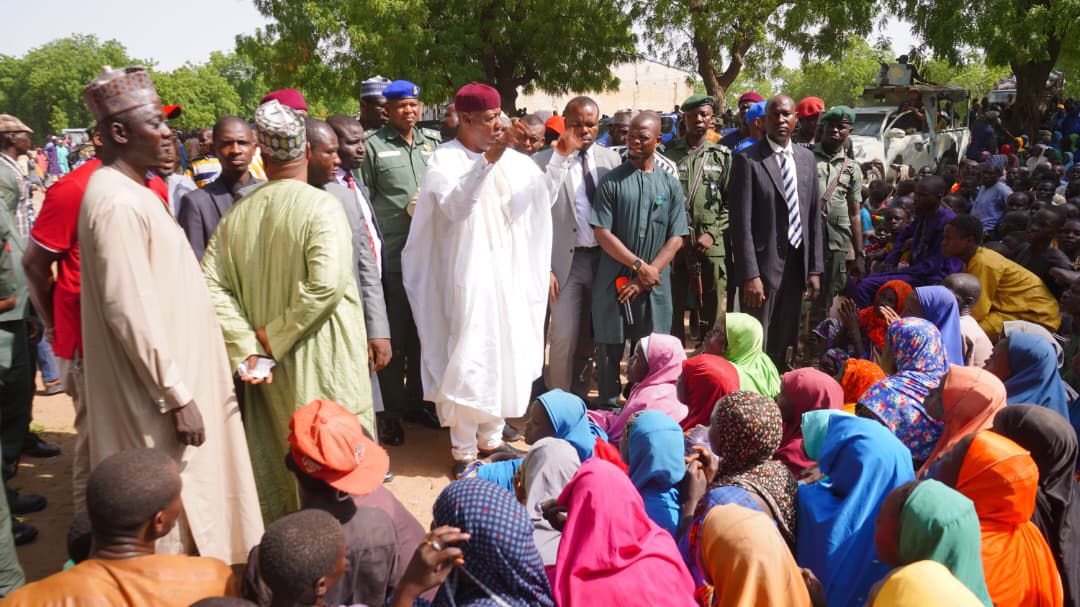
According to Zulum, authorities had completed a screening and profiling exercise of displaced residents in Bama ahead of the closure.
“We visited Bama yesterday and supervised the screening of IDPs, and by 12 noon, Bama IDP camp should be closed,” the governor said.
“Today we are here in Gwoza, we have profiled all of them, and Insha Allah, in the next two or three weeks this camp will also be closed.”
Zulum said the closure of the camps was made possible by what he described as improved security conditions across many communities previously affected by Boko Haram insurgency.
Over the past several years, the Borno State Government has pursued an extensive resettlement programme aimed at returning displaced residents to their ancestral communities.
The initiative has seen the resettlement of residents in several communities across Bama Local Government Area, including Darajamal, Nguro Soye, Goniri, Banki, Abbaram, Ngoshe, Kirawa and Warabe, among others.
The governor said the administration would continue efforts to ensure that returns are sustainable and supported by basic services and security measures.
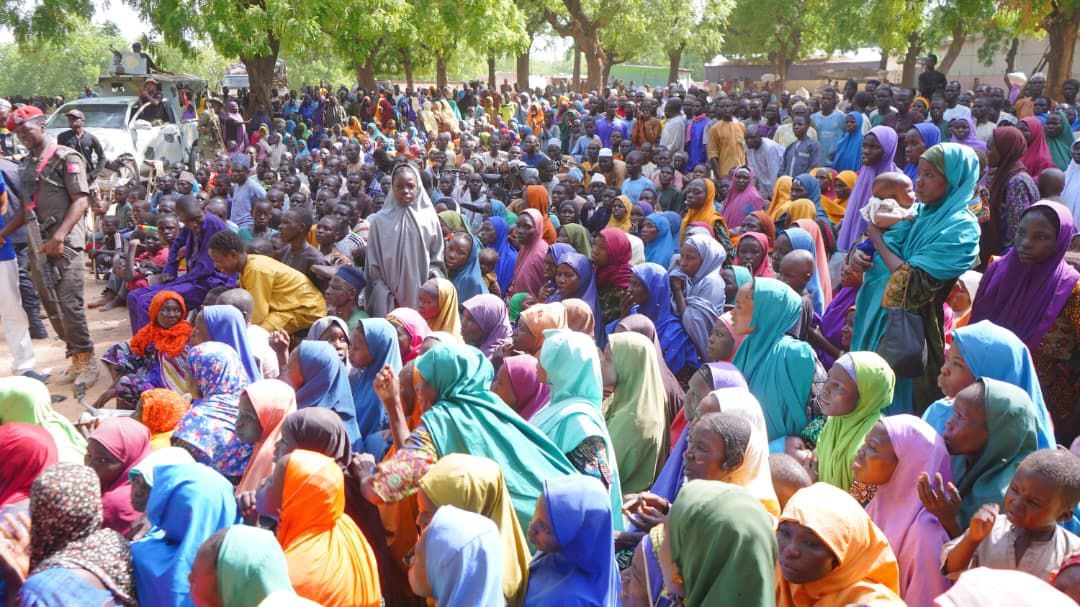
While defending the decision to close the camps, Zulum expressed concern over what he described as growing criminal activity within some displacement facilities.
The governor said authorities had identified various security and social challenges emerging in the camps and argued that prolonged displacement was creating new risks.
“In our camps now, there is ongoing criminality,” he said.
He further alleged that Boko Haram and the Islamic State West Africa Province (ISWAP) were attempting to infiltrate some camps, though he did not provide specific figures or details.
According to him, residents will be returned to their communities and placed under the supervision of traditional and community leaders as part of efforts to improve accountability and security.
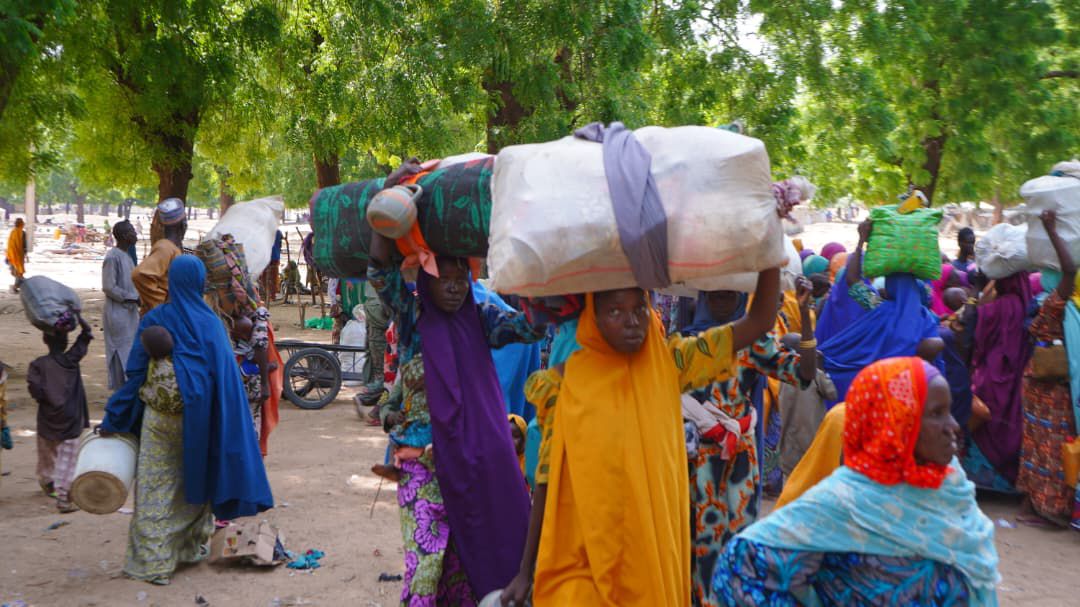
Zulum also raised concerns about what he described as the growing number of individuals returning to displacement camps despite already living in their communities.
According to the governor, some residents have allegedly moved back into camps to access humanitarian assistance and relief materials distributed by aid organisations.
He said the government's recent screening exercise uncovered a significant number of people who were not genuinely displaced but had registered in camps to benefit from relief support.
“Many of those that are residents living in their homes are returning to the camps to receive handouts from non-governmental organisations,” Zulum said.
“One year ago, this was almost a ghost camp with not more than about 400 households. It is surprising that about 3,000 households are back in the camp, and most of them are residents living within the town.”
The governor argued that maintaining camps under such circumstances was unsustainable and could undermine ongoing resettlement efforts.

Zulum indicated that the closure of the Bama and Gwoza camps forms part of a broader strategy to wind down displacement facilities across the state before the end of his administration.
He said additional camps in different parts of Borno would also be considered for closure as the government seeks to transition displaced populations back to permanent communities.
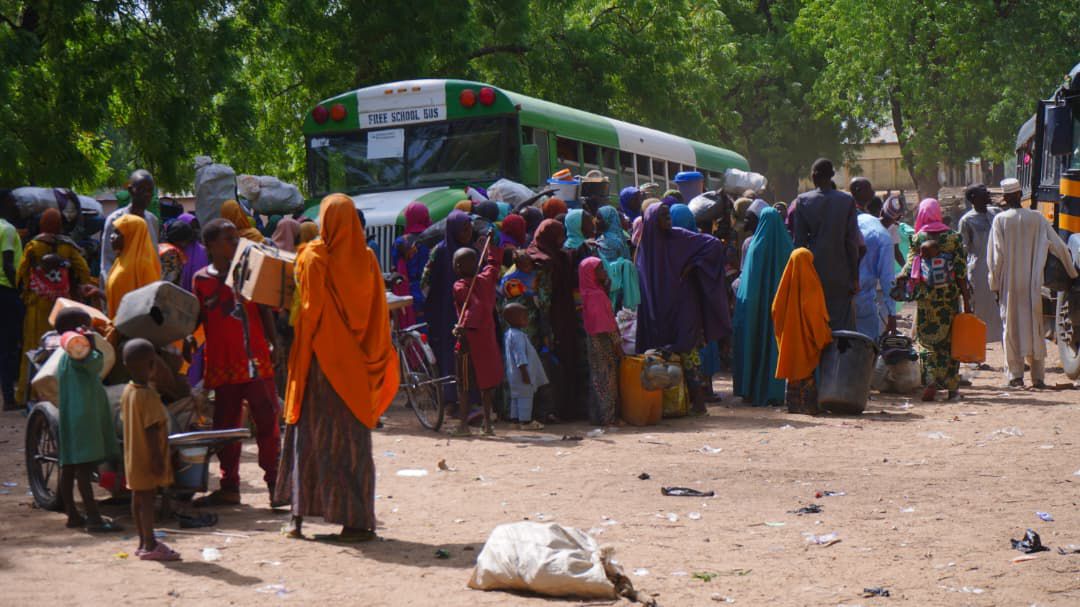
The governor maintained that the objective is to move beyond emergency humanitarian responses and focus on long-term recovery, reconstruction and community reintegration.
The closure of IDP camps remains a sensitive issue in Borno, where millions of people have been affected by more than a decade of insurgency. While the state government argues that improved security has created conditions for return, humanitarian organisations have consistently stressed the need to ensure that resettlement is voluntary, safe and sustainable.
Written by
Our Reporter
SkyHigh NewsHub correspondent.