
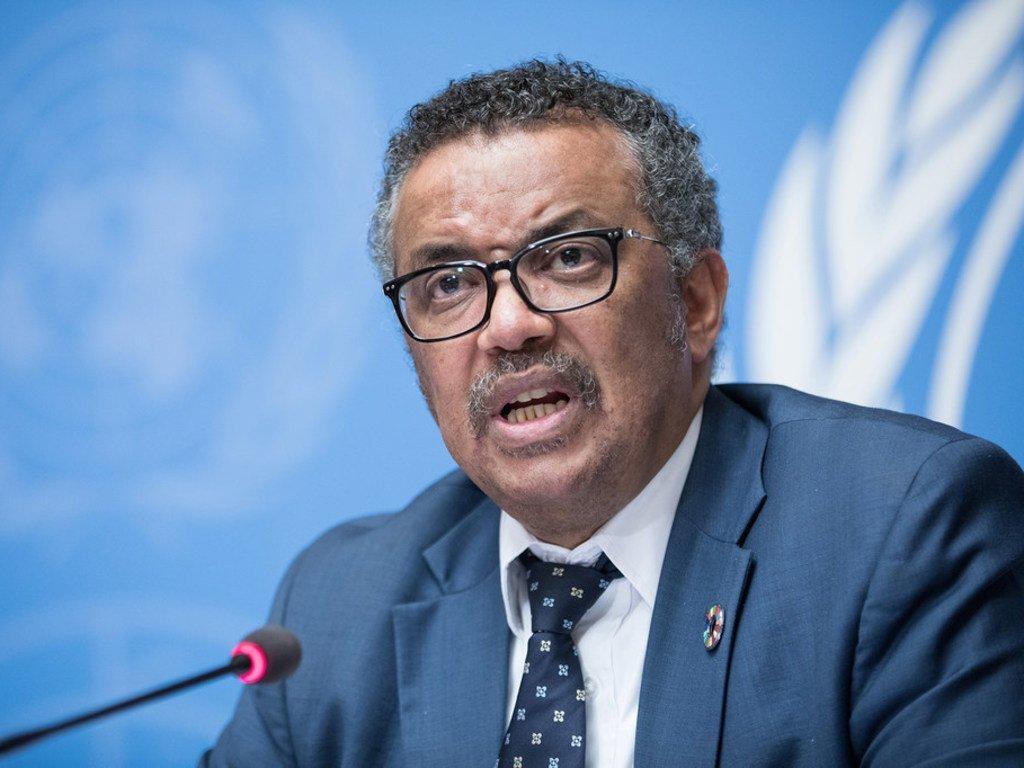
WHO Boss Says South Africa’s Xenophobia Betrays Africa’s Anti-Apartheid Solidarity
By OUR REPORTER · 15/06/2026 11:43 AM · 2 min read
The Director-General of the World Health Organisation (WHO) Dr. Tedros Ghebreyesus, has strongly condemned the latest wave of xenophobic violence in South Africa, describing the attacks and killings of foreign nationals as heartbreaking and deeply troubling.
In a statement issued on Sunday, Ghebreyesus said the violence had displaced thousands of families and claimed several lives, including Ethiopians and Mozambicans caught up in the unrest.
“It is profoundly heartbreaking to witness another surge of xenophobic violence in South Africa this week. Hundreds have marched on Parliament, thousands of families have been displaced and lives have been tragically cut short,” he said.
According to him, at least five Ethiopians were killed during the attacks, while five Mozambicans also died in Mossel Bay.
“These include at least five Ethiopians killed earlier in the attacks and five Mozambicans who died in Mossel Bay. Thousands more are now fleeing for their lives,” the WHO chief added.
Ghebreyesus, who is Ethiopian, said the attacks contradict Africa’s long history of solidarity during the struggle against apartheid in South Africa.
“To see South Africa turn to xenophobia is a tragic betrayal of the country’s struggle for independence and freedom. African nations stood united to dismantle apartheid,” he said.
He recalled that Ethiopia supported Nelson Mandela during the anti-apartheid struggle and issued him a passport in 1962 to enable him travel across the continent.
The WHO boss also warned against vigilantism and collective punishment, stressing that immigration concerns must be handled through lawful institutions.
“Disagreements and grievances must be addressed by the justice system and the rule of law, never through vigilante violence and collective punishment,” he said.
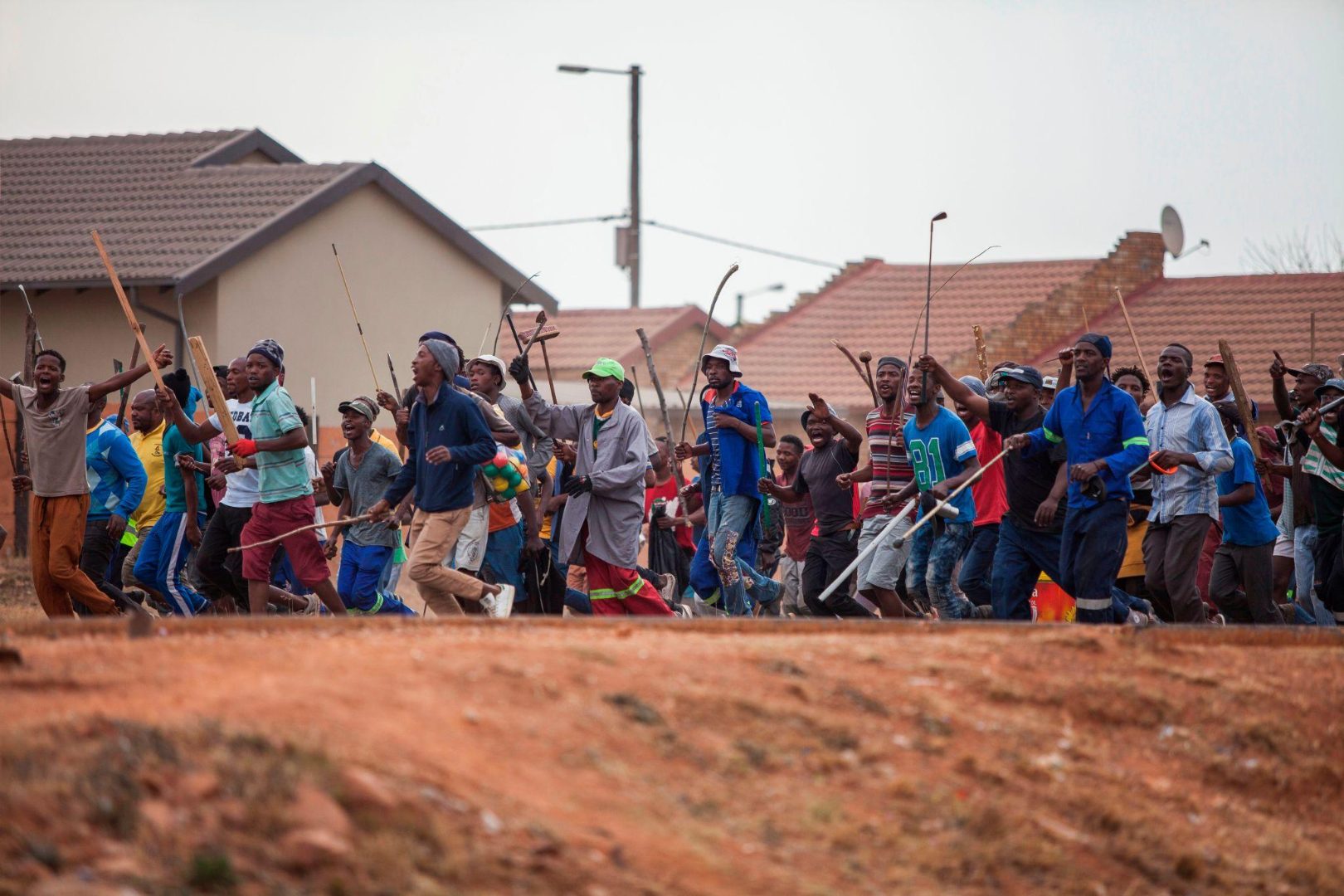
The latest attacks have drawn condemnation from governments, rights organisations and international bodies, while several African countries continue evacuating their citizens from South Africa.
Nigeria, Ghana, Malawi and other nations have already organised repatriation flights and support programmes for affected citizens.
The first batch of Nigerians evacuated from South Africa arrived in Lagos last week amid heightened fears over the safety of migrants and foreign communities in the country.
Written by
Our Reporter
SkyHigh NewsHub correspondent.