
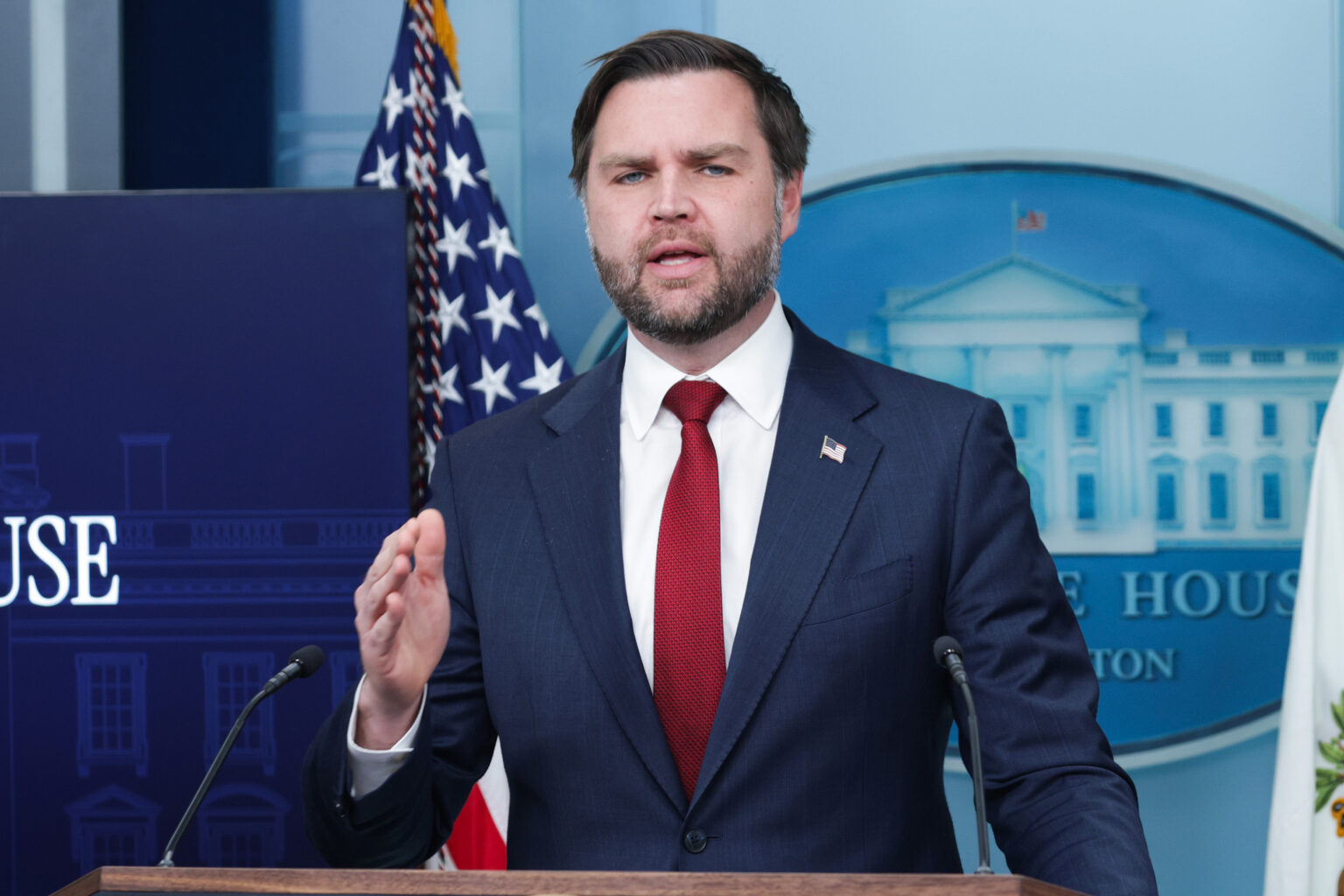
US-Iran Talks Postponed as Vance Delays Switzerland Trip
By SKYHIGHNEWSHUB · 19/06/2026 8:05 AM · 4 min read
A new round of direct talks between the United States and Iran has been postponed after US Vice President JD Vance delayed a planned trip to Switzerland, raising fresh questions about the next phase of a landmark agreement signed earlier this week between the two countries.
The White House announced late Thursday that Vance would no longer travel to Switzerland for the scheduled discussions, citing logistical challenges surrounding the proposed meeting.
In a statement, the White House said arrangements for the talks had not been finalised and acknowledged that organising the meeting had not been “simple or predictable.”
The administration, however, stressed that Washington remains committed to the diplomatic process.
“The United States looks forward to beginning technical talks as soon as possible,” the statement said.
Shortly afterward, Switzerland’s Foreign Ministry confirmed that the meeting at the Burgenstock resort had been postponed, although preparations for future negotiations were continuing.
The talks were expected to focus on implementing the agreement signed earlier this week and laying the groundwork for broader negotiations on long-standing issues between Washington and Tehran, including Iran’s nuclear programme.
Agreement Intended to End Months of Conflict
The postponement comes just days after the United States and Iran signed a wide-ranging agreement designed to bring an end to months of hostilities that have destabilised the Middle East and disrupted global energy markets.
The deal, structured around 14 key points, includes the reopening of the Strait of Hormuz, commitments aimed at preventing Iran from acquiring nuclear weapons, a proposed $300 billion reconstruction framework for Iran, and the lifting of US sanctions as part of a broader settlement process.
Both countries also committed themselves to reaching a comprehensive agreement within a maximum period of 60 days, although the timeline can be extended with mutual consent.
The negotiations scheduled for Switzerland were expected to serve as the first technical step toward implementing those commitments.
Khamenei Backs Deal Despite Reservations
Iran’s Supreme Leader, Ayatollah Mojtaba Khamenei, said he approved the agreement despite personal reservations about the arrangement.
In a statement, Khamenei said he held a “different view” on aspects of the deal but authorised it after receiving assurances that Iran’s interests would be protected.
He also accused US President Donald Trump of using significant pressure to secure the agreement.
“Out of desperation, he used all kinds of leverage,” Khamenei said, referring to Trump.
The Iranian leader nevertheless confirmed that future face-to-face negotiations between Tehran and Washington would take place, while stressing that dialogue should not be interpreted as acceptance of the American position.
His comments mark one of the clearest indications yet that Iran intends to continue diplomatic engagement despite deep mistrust between both countries.
Lebanon Violence Clouds Diplomatic Progress
The postponement of the talks comes against the backdrop of continued violence in Lebanon, where hostilities involving Israel and Hezbollah have persisted despite expectations that the US-Iran agreement could help calm tensions across the region.
Lebanon’s Health Ministry reported that at least 18 people were killed in Israeli strikes in the country’s south overnight.
The Israeli military confirmed carrying out operations against Hezbollah targets and said four Israeli soldiers were killed during fighting.
Lebanese media outlets linked to Hezbollah reported that the ongoing military operations contributed to the suspension of the planned negotiations.
Iran has consistently maintained that any comprehensive regional settlement should include Lebanon, a position Israel has rejected.
Israeli officials argue that their conflict with Hezbollah is separate from the broader confrontation involving Iran.
For its part, Hezbollah has also expressed opposition to aspects of the US-Iran agreement.
Trump Calls for Ceasefire on All Fronts
Despite the continuing violence, President Trump has insisted that the agreement should ultimately lead to a cessation of hostilities throughout the region.
In a post on Truth Social, Trump said he expected a ceasefire to take effect “on all fronts,” including between Israel and Hezbollah in Lebanon.
Whether that objective can be achieved remains uncertain as military operations continue and key elements of the agreement await implementation.
For now, diplomatic momentum has slowed, with both Washington and Tehran indicating that negotiations will resume once arrangements for the next round of talks are finalised.
The delay underscores the fragile nature of a deal that many analysts view as a potentially significant breakthrough, but one that remains vulnerable to developments on the ground across an increasingly volatile Middle East.
BBC
Written by
SkyhighNewshub
SkyHigh NewsHub correspondent.