
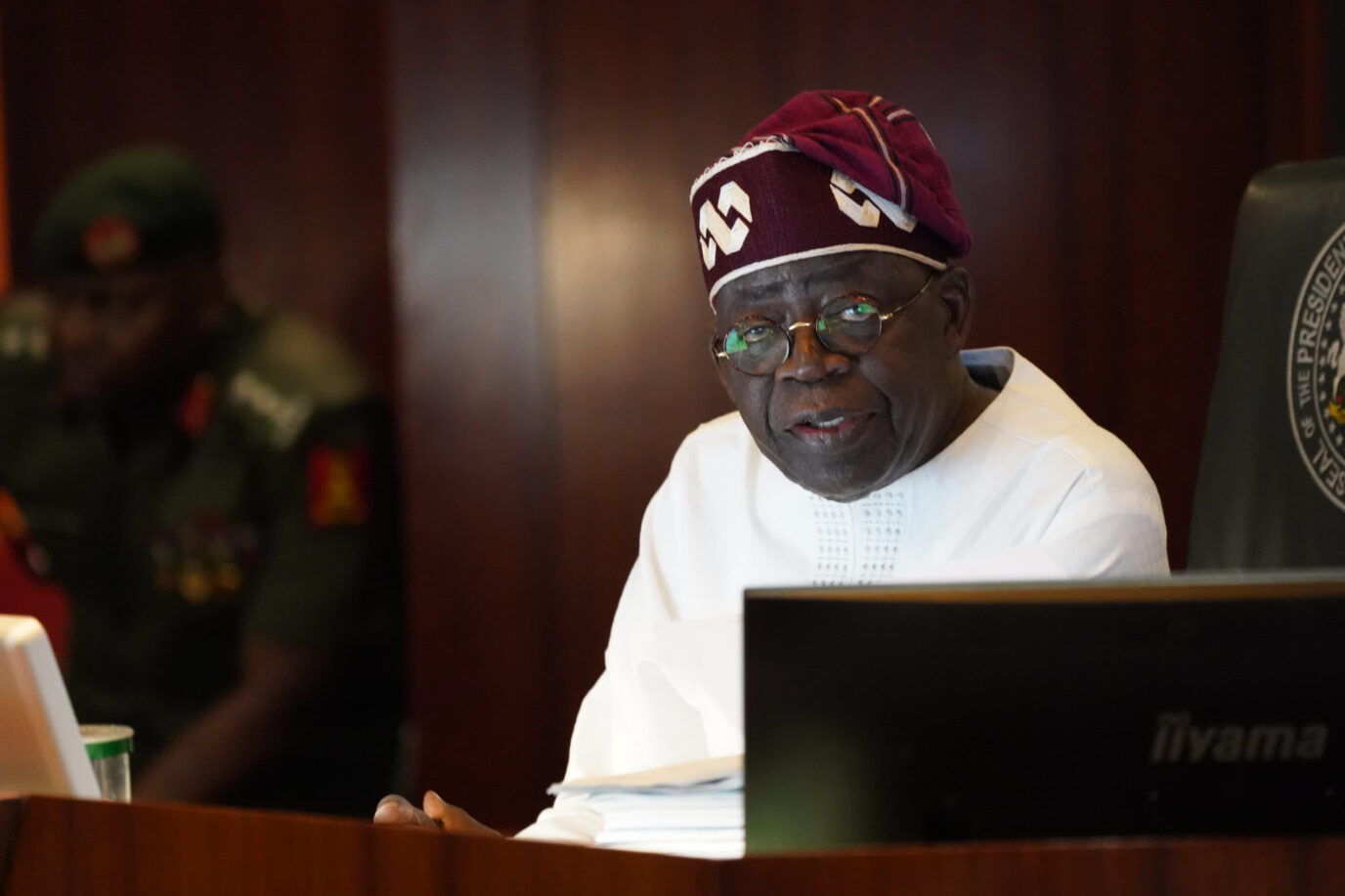
Tinubu Approves ₦3.6bn ITF Programme to Train 200,000 Nigerian Artisans
By OUR REPORTER · 15/07/2026 5:23 PM · 3 min read
President Bola Tinubu has approved a ₦3.6 billion intervention for the Industrial Training Fund (ITF) to implement the 2026 edition of its Skill-Up Artisans (SUPA) programme, with about 200,000 artisans expected to benefit nationwide.
The initiative is designed to strengthen Nigeria's informal sector by improving technical skills, promoting entrepreneurship, creating jobs and enhancing the competitiveness of local artisans.
Director-General and Chief Executive Officer of the ITF, Dr. Afiz Ogun, disclosed the development on Wednesday in Abuja during the screening of applicants for the programme.
According to Ogun, the nationwide screening exercise marks the first phase of the 2026 SUPA programme and is intended to ensure that only qualified and active artisans benefit from the intervention.
He explained that applicants would undergo document verification and practical skills assessments before being admitted into the programme.
"For this year, we are incubating businesses for tailors because they constitute a large number of participants. The President has approved ₦3.6 billion for this initiative," he said.
Ogun said the Skill-Up Artisans Programme was introduced after the Federal Government observed that artisans from neighbouring African countries, as well as countries such as Bangladesh, Pakistan and China, were increasingly filling technical service gaps in Nigeria.
He noted that the initiative seeks to develop a stronger indigenous workforce capable of meeting both domestic and international demand for skilled labour.
"We are screening them because some people will say they are artisans, but they are not artisans. Some people just want to come and collect the Federal Government money and go. They will not participate in the training.
"We want real artisans who are ready to scale up and improve their skills," he said.
The ITF boss added that the programme would also formalise Nigeria's informal technical sector through a national data collection, certification and licensing framework that would allow customers to verify the credentials of artisans before engaging their services.
According to him, screening exercises are currently taking place across all senatorial districts in the country.
"The President wants Nigerian artisans to be trained, certified and licensed. When you engage a plumber or an electrician, you should be able to verify the person's credentials, track performance and hold them accountable. This will improve service quality and create confidence in the sector," Ogun said.
He disclosed that the government had abandoned its previous practice of distributing starter packs immediately after training after discovering that many beneficiaries sold the equipment instead of using them to establish businesses.
Instead, beneficiaries will be prepared for overseas employment opportunities through structured talent export programmes, linked directly with employers for job placements or enrolled in business incubation schemes designed to support long-term enterprise development.
"Our extension workers, who have been trained by the International Labour Organisation, will continue to support them after the training. Technical teams will also help them maintain and repair their equipment where necessary," he added.
Ogun further explained that participants in the tailoring business incubation programme would receive industrial sewing machines, overlock machines, specialised stitching equipment, electric cutters, consumables, business signboards, mentorship and entrepreneurship support.
He added that the initiative would also introduce a digital marketplace where certified artisans can showcase their services, receive customer ratings and connect directly with clients.
According to the ITF, the programme is expected to improve service quality, increase artisans incomes, create employment opportunities and strengthen Nigeria's skilled workforce.
Written by
Our Reporter
SkyHigh NewsHub correspondent.