
Reps Demand Probe Of Nigerians Deaths In South Africa, Seek Review Of Bilateral Ties
By OUR REPORTER · 10/07/2026 7:09 AM · 3 min read
The House of Representatives has called on the Federal Government to undertake a comprehensive review of Nigeria's bilateral relations with South Africa following renewed xenophobic attacks and the reported killings of Nigerians and other African nationals in the country.
The lawmakers also urged the Federal Government to demand an independent, transparent and internationally monitored investigation into the recent deaths of Nigerians in South Africa to ensure those responsible are identified and prosecuted.
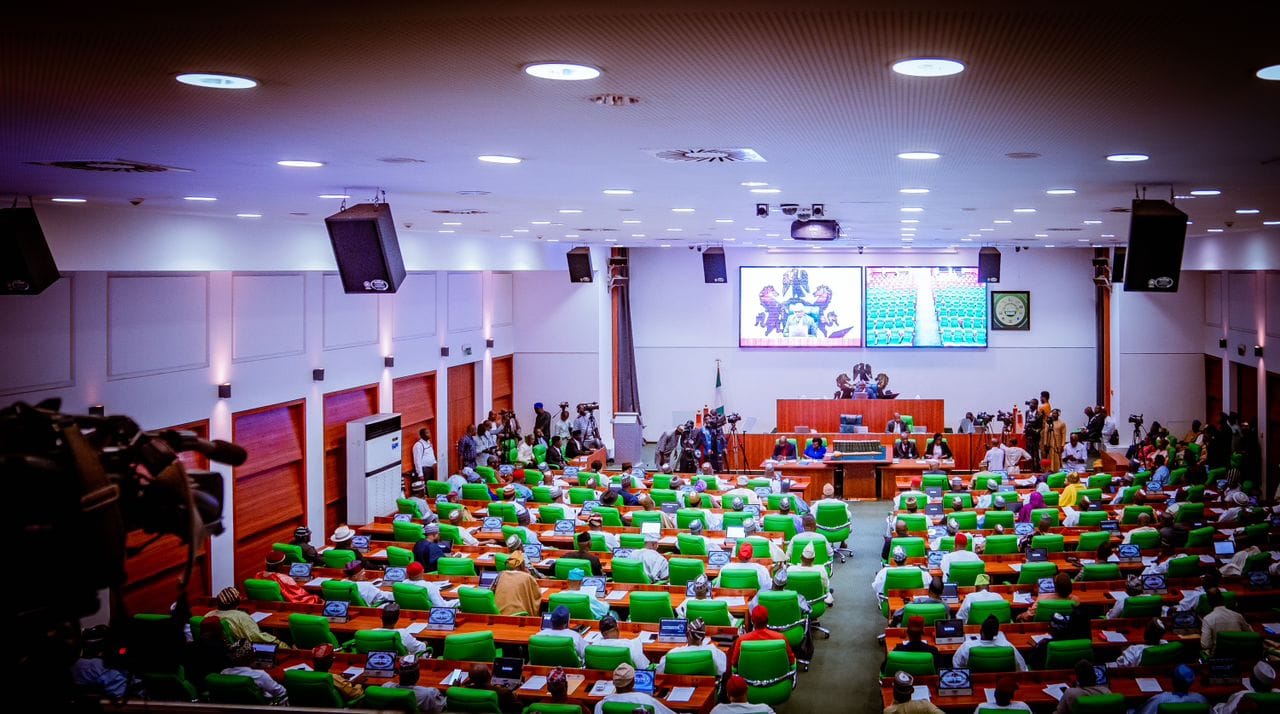
The resolutions followed the adoption of a motion sponsored by Yusuf Gagdi and Billy Osawaru during Thursday's plenary.
The House asked the Federal Government to reassess specific areas of bilateral cooperation with South Africa where necessary, while strengthening consular services, legal assistance, emergency evacuation mechanisms and reintegration support for Nigerians affected by the attacks.
Lawmakers further urged the government to intensify diplomatic engagement with the South African authorities and formally involve the African Union (AU), the Southern African Development Community (SADC), the United Nations (UN) and the African Commission on Human and Peoples' Rights in efforts to protect African nationals living in South Africa.
The House also called on the Federal Government to summon the South African High Commissioner to Nigeria to explain the recent killings and clarify the South African government's position on the safety and protection of Nigerians and other African nationals residing in the country.
Leading the debate, Gagdi said South Africa had witnessed repeated waves of xenophobic violence against Nigerians and other African migrants over the years, resulting in deaths, destruction of businesses, unlawful arrests, displacement and widespread fear.
He noted that recent reports indicated another escalation of attacks targeting Nigerians, as well as citizens of Ghana, Zimbabwe, Zambia, Mozambique, Malawi and other African countries legally residing in South Africa.
According to him, the Federal Government has confirmed the recent killing of two Nigerians, including one who reportedly died while in South African police custody and another who was allegedly murdered outside his business premises.
"These tragic incidents have once again exposed Nigerians and other African nationals to grave danger despite repeated diplomatic engagement between Nigeria and South Africa," Gagdi said.
He described the recurring violence as systematic and increasingly deadly, warning that repeated assurances by South African authorities had failed to prevent further attacks.
"The continued attacks on our citizens undermine the ideals of African unity, Pan-Africanism, regional integration and peaceful coexistence upon which the African Union was founded," he said.
Gagdi warned that continued inaction could embolden perpetrators and weaken confidence in African institutions established to protect citizens across the continent.
Contributing to the debate, Osawaru accused South African security agencies of failing to protect Nigerians and alleged that they shared responsibility for the recurring attacks.
He argued that despite years of diplomatic engagement, South Africa had continued to undermine Nigeria's sovereignty and failed to guarantee the safety of Nigerian citizens.
Osawaru urged the Federal Government to adopt a firmer diplomatic posture, saying Nigeria "must not remain a toothless bulldog."
He proposed that Nigeria should sever diplomatic relations with South Africa.
However, when Deputy Speaker Benjamin Kalu put the proposal to a voice vote, the House rejected the recommendation.
Kalu maintained that while Nigeria possesses the capacity to respond more forcefully, diplomatic engagement remained the preferred approach.
Several lawmakers supported stronger diplomatic measures.
Kayode Moshood recalled Nigeria's financial and diplomatic support for South Africa during the anti-apartheid struggle, noting that resources expended at the time could have been invested in Nigeria's own development.
Okey-Joe Onuakalusi argued that Nigeria must respond decisively to countries that fail to protect its citizens.
He suggested compiling the names of Nigerians killed in South Africa and presenting the cases before the International Criminal Court (ICC).
At the end of the debate, the House reaffirmed its commitment to pursuing diplomatic and legal measures aimed at securing justice for affected Nigerians while strengthening protections for citizens living abroad.
Written by
Our Reporter
SkyHigh NewsHub correspondent.