
Nigeria Lost N2.376 Trillion to Power Grid Inefficiency in 12 Years – NISO
By OUR REPORTER · 09/07/2026 2:27 PM · 2 min read
Nigeria has lost an estimated N2.376 trillion to power sector inefficiencies over the past 12 years due to the inability of the national grid to fully utilise available electricity generation capacity, the Nigerian Independent System Operator (NISO) has disclosed.
Nigeria has lost an estimated N2.376 trillion to power sector inefficiencies over the past 12 years due to the inability of the national grid to fully utilise available electricity generation capacity, the Nigerian Independent System Operator (NISO) has disclosed.
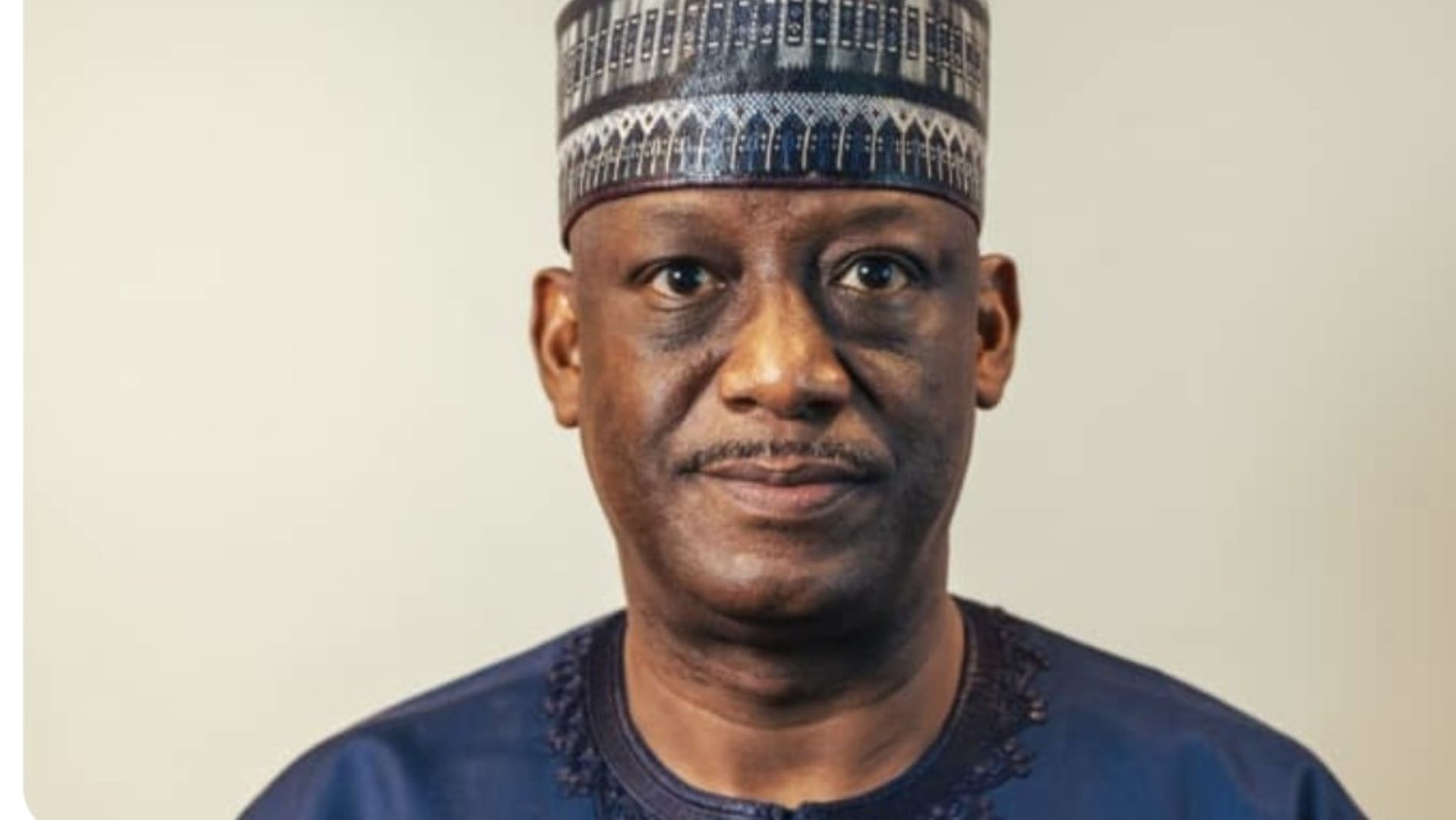
The Managing Director and Chief Executive Officer of NISO, Abdu Bello, made the disclosure at the 11th Nigeria Energy Forum (NEF) 2026 Conference held in Lagos, where industry leaders gathered to discuss strategies for strengthening Nigeria's energy sector and industrial development.
Represented by NISO's General Manager, Research, Engr. Deji Ojo, Bello said Nigeria currently has an available generation capacity of 7,311 megawatts (MW) as of May 2026, but only an average of 4,222MW is dispatched to the national grid.
According to him, more than 3,100MW of available electricity generation capacity remains stranded and is not converted into economic value because of operational and grid limitations.
"Presently, as of May 2026, we have available generation capacity of 7,311MW, but the average dispatched generation that we are able to generate, produce and translate into economic value is just 4,222MW. About 3,162MW is stranded capacity and not being converted to economic use," Bello said.
He explained that the establishment of the Nigerian Independent System Operator (NISO) marks a significant step towards improving operational efficiency, enhancing electricity market performance and strengthening grid reliability.
According to Bello, the agency's primary objective is to ensure that available electricity generation capacity is effectively transmitted and utilised to support economic growth and industrial development.
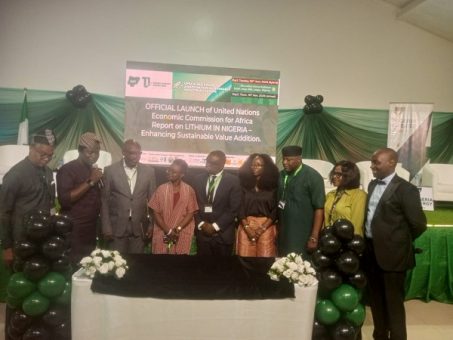
The conference, themed "Upscaling Value Addition for Sustainable Industrialisation," featured stakeholders from the energy, manufacturing and technology sectors who stressed that reliable electricity remains critical to Nigeria's industrial transformation.
The Group Managing Director of Odu'a Investment Company Limited, Abdulrahman Yinusa, represented by Executive Director Yemi Ajao, said dependable electricity is fundamental to industrial growth.
He noted that while Nigeria possesses abundant natural resources, greater emphasis should be placed on processing them into finished products rather than exporting raw materials.
Representatives of All On, the Nigerian Content Development and Monitoring Board (NCDMB), the National Agency for Science and Engineering Infrastructure (NASENI), the Rural Electrification Agency (REA) and other institutions also highlighted the need for innovation, local manufacturing, renewable energy investments and technology-driven industrialisation.
They urged greater collaboration between government, the private sector and educational institutions to promote local innovation, improve energy access and support entrepreneurs developing clean energy solutions.
Participants agreed that unlocking Nigeria's stranded electricity capacity and strengthening grid efficiency would be essential to driving industrialisation, creating jobs and improving economic productivity.
Written by
Our Reporter
SkyHigh NewsHub correspondent.