
Nigeria Loses Undisbursed $717.7m World Bank Electricity Funding
By OUR REPORTER · 26/05/2026 11:59 AM · 3 min read
The Federal Government has cancelled $717.7 million in undisbursed World Bank intervention financing meant to support reforms in Nigeria’s struggling electricity sector.
The cancellation followed a formal request by the Federal Government and a joint agreement between Nigeria and the World Bank to discontinue financing under the Power Sector Recovery Performance-Based Operation.
According to documents obtained from the World Bank, the development effectively terminates the remaining portion of a $1.52 billion electricity sector recovery programme initiated to restore financial stability and improve electricity supply across the country.
“The restructuring will result in the cancellation of the entire undisbursed balance in the amount of $717.7m equivalent and no further disbursements will be made under the programme,” the World Bank stated.
The Power Sector Recovery Programme was introduced by the Federal Government as part of efforts to improve electricity supply reliability, reduce fiscal pressure on public finances and strengthen governance across the power sector value chain. The original financing package of approximately $752.5 million was approved on June 23, 2020.
Following what was initially considered significant progress, the World Bank later approved an additional financing package worth about $763.5 million in June 2023 to deepen reforms and address lingering structural challenges. The additional facility became effective in June 2024 and extended the programme’s closing date to June 30, 2027.
However, despite early gains recorded under the original programme, implementation of the additional financing arrangement reportedly suffered major setbacks due to worsening macroeconomic realities and delays in achieving critical reform targets.
The World Bank said Nigeria’s electricity sector continues to face serious structural challenges, including weak distribution performance, transmission bottlenecks, inadequate cost recovery and persistent financial imbalances.
According to the report, high technical and commercial losses across electricity distribution companies have created recurring financing gaps within the sector.
The bank noted that although tariff shortfalls declined significantly between 2019 and 2022, the situation deteriorated sharply after the liberalisation of Nigeria’s foreign exchange market in 2023. It explained that the depreciation of the naira triggered a sharp increase in the cost of natural gas used for electricity generation, since more than 70 per cent of power supplied into Nigeria’s national grid is generated using gas priced in US dollars.
At the same time, electricity tariffs for most consumers remained largely unchanged, except for Band A customers whose tariffs were adjusted in 2024. The resulting mismatch between electricity production costs and revenue generated from consumers caused tariff shortfalls to rise dramatically.
According to the World Bank, annual tariff shortfalls increased from about N140 billion in 2022 to nearly N1.9 trillion in both 2024 and 2025. The report stated that authorities failed to establish a credible and sustainable financing plan capable of addressing the widening deficit.
The World Bank also cited delays involving performance improvement plans linked to the Transmission Company of Nigeria, as well as verification challenges affecting sector institutions. Overall implementation progress under the additional financing arrangement was rated “Moderately Unsatisfactory.”
Financial data released by the bank showed that only about nine per cent of the additional financing package was eventually disbursed before the cancellation.
The World Bank further disclosed that the programme’s closing date had been moved forward from June 30, 2027 to May 31, 2026 effectively ending the intervention earlier than planned.
The development comes days after the Accountant-General of the Federation, Dr. Shamseldeen Ogunjimi, warned that Nigeria may reconsider future World Bank loan arrangements if approval and disbursement delays persist.
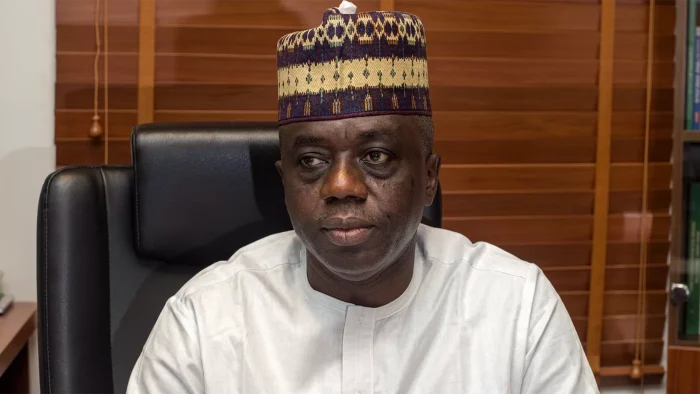
He stressed that prolonged bureaucratic delays could undermine project implementation timelines and affect Nigeria’s willingness to proceed with future borrowing arrangements.
Written by
Our Reporter
SkyHigh NewsHub correspondent.