
NCC Pushes Faster Fibre Rollout, Says Broadband Vital to Nigeria's $1 Trillion Economy
By OUR REPORTER · 01/07/2026 8:17 AM · 5 min read
The Nigerian Communications Commission (NCC) has called for the rapid expansion of Fibre-to-the-Home (FTTH) infrastructure across the country, warning that Nigeria's ambition of building a $1 trillion economy will depend heavily on the availability of fast, reliable and affordable broadband connectivity.
The telecom regulator said while internet usage in Nigeria continues to grow at an unprecedented pace, the country's fixed broadband infrastructure remains significantly underdeveloped, underscoring the need for greater investment, policy reforms and collaboration among governments and industry stakeholders.
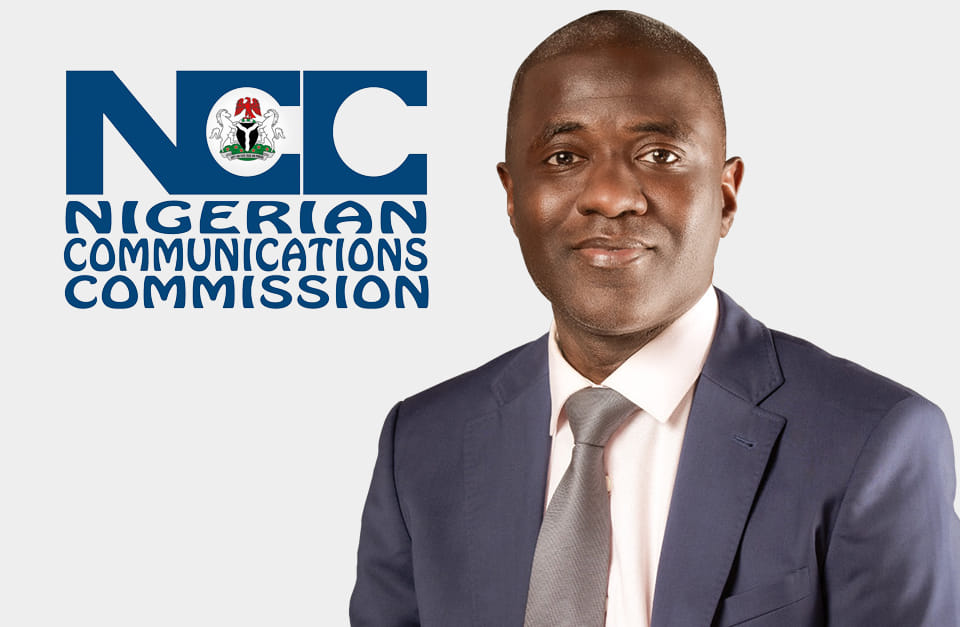
Speaking virtually on Tuesday at the Association of Telecommunications Companies of Nigeria (ATCON) Critical Conversation Forum on Fibre-to-the-Home in Lagos, the Executive Vice Chairman of the NCC, Dr. Aminu Maida, described broadband infrastructure as the foundation of Nigeria's digital transformation agenda.
The forum, themed "Addressing Challenges, Strengthening Standards and Ensuring Sustainable FTTH Deployment in Nigeria," brought together key players in the telecommunications industry to discuss strategies for accelerating nationwide fibre deployment.
Maida said internet connectivity has evolved beyond being a communication tool to becoming critical infrastructure that supports education, healthcare, commerce, governance, financial services, innovation and emerging digital technologies. Pointing out that the growing dependence on digital services makes resilient fibre infrastructure indispensable to Nigeria's long-term economic development.
He revealed that Nigeria recorded 154.72 million internet subscriptions as of April 2026, while broadband penetration increased to 55.67 per cent, up from 48.81 per cent during the corresponding period last year.
The NCC boss attributed the steady rise in internet usage to increasing adoption of remote work, virtual learning, cloud computing, digital financial services and artificial intelligence-powered applications.
"Nigerians now consume about 1.4 million terabytes of internet data monthly, driven by remote work, online learning, cloud services and AI-enabled applications," Maida said.
Despite the impressive growth in internet subscriptions, Maida noted that fixed broadband services remain largely untapped.
He disclosed that Nigeria currently has only about 265,000 Fibre-to-the-Home (FTTH) subscriptions, a figure he described as significantly below the country's potential and one that presents substantial opportunities for expansion.
According to him, extending fibre connectivity directly to homes, schools, hospitals, businesses and public institutions would significantly improve internet quality while supporting economic productivity and digital inclusion.
The NCC identified multiple regulatory and operational bottlenecks slowing broadband infrastructure deployment across the country.
Among the major obstacles, Maida listed Right-of-Way (RoW) bottlenecks, multiple approval processes, vandalism, poor deployment standards and inadequate coordination among relevant authorities.
He disclosed that 13 states have completely waived Right-of-Way charges to encourage investment in fibre infrastructure, while 16 states have adopted the National Economic Council's recommended Right-of-Way fee of N145 per linear metre.
However, he urged the remaining states to remove unnecessary administrative and financial barriers, arguing that the long-term economic benefits of digital infrastructure far outweigh revenue generated from Right-of-Way charges.
To encourage further investment in broadband infrastructure, Maida said the NCC has launched an Ease of Doing Business Portal, designed to simplify the approval process for telecommunications investors.
According to him, the portal provides state-specific information on regulatory approvals, legal requirements and deployment procedures, making it easier for operators to plan and execute fibre projects.
He also disclosed that the Commission is currently assessing Nigeria's wholesale broadband market with a view to promoting infrastructure sharing, encouraging competition and improving consumer access to affordable, high-quality internet services.
The NCC Executive Vice Chairman urged governments at all levels to begin treating telecommunications infrastructure as essential public infrastructure, alongside roads, electricity and water supply.
He argued that integrating fibre infrastructure into community planning from the outset would significantly reduce deployment costs and accelerate broadband expansion nationwide.
Maida assured stakeholders that the Commission would continue enforcing technical and safety standards to ensure fibre infrastructure remains durable, resilient and capable of supporting future digital demands.
The NCC also expressed concern over the growing attacks on telecommunications infrastructure across the country.
According to Maida, operators recorded more than 27,685 fibre cuts, 27,000 access denials and 4,210 incidents of theft in 2025, disruptions that negatively affected network quality and service delivery nationwide.
He stressed that safeguarding telecommunications assets requires stronger collaboration among federal and state governments, lawmakers, security agencies, operators and host communities.
The NCC boss noted that the recent designation of telecommunications infrastructure as Critical National Infrastructure provides a stronger legal framework for protecting vital digital assets from vandalism and sabotage.
Looking ahead, Maida highlighted the Federal Government's Project BRIDGE, which aims to deploy approximately 90,000 kilometres of fibre-optic cable across Nigeria's 774 local government areas.
He explained that while expanding the national fibre backbone is essential, equal attention must be given to last-mile Fibre-to-the-Home connections to ensure homes, businesses, schools and healthcare facilities benefit directly from improved broadband access.
Also speaking at the forum, President of the Association of Telecommunications Companies of Nigeria (ATCON), Mr. Tony Emoekpere, advocated stronger collaboration among industry players to support sustainable broadband expansion.
He called for increased infrastructure sharing, harmonised deployment standards and an end to unnecessary duplication of fibre infrastructure, noting that poor installation practices continue to undermine service quality and increase industry costs.
Emoekpere expressed optimism that deliberations at the forum would produce practical solutions for accelerating last-mile connectivity and strengthening Nigeria's digital infrastructure.
Nigeria's National Broadband Plan targets widespread access to high-speed internet as a key enabler of digital inclusion, innovation, job creation and economic diversification. While mobile broadband has recorded significant growth over the past decade, fixed broadband, particularly Fibre-to-the-Home remains relatively underdeveloped due to high deployment costs, regulatory hurdles and infrastructure challenges.
Industry experts say accelerating fibre deployment will be critical to supporting emerging technologies, expanding digital services and positioning Nigeria to achieve its long-term economic growth ambitions.
Written by
Our Reporter
SkyHigh NewsHub correspondent.