
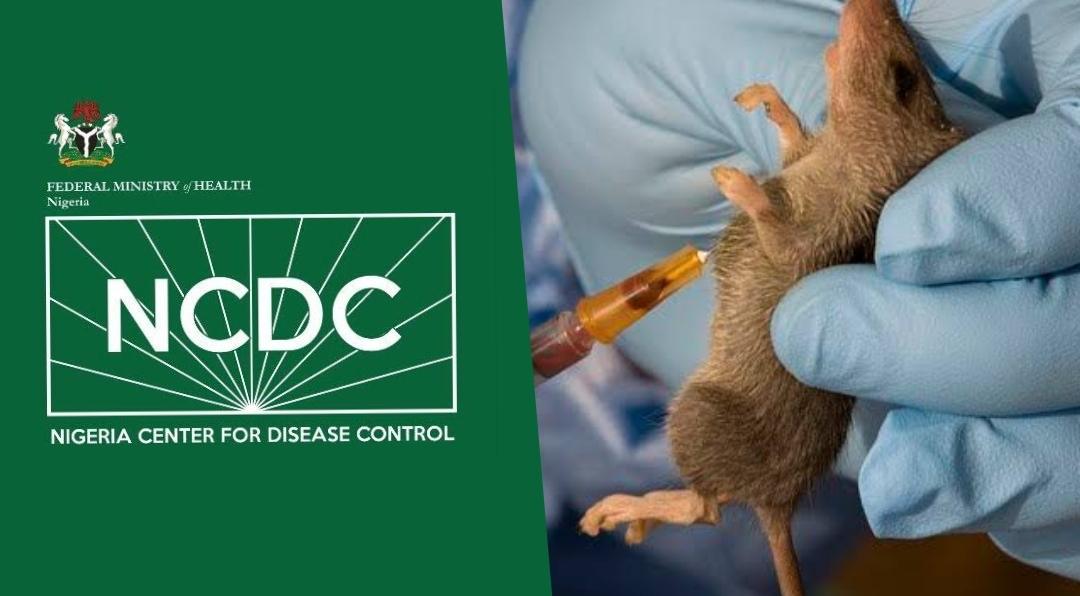
Lassa Fever Death Toll Climbs to 221 as Fatality Rate Surpasses 2025 Level — NCDC
By OUR REPORTER · 11/07/2026 6:27 PM · 3 min read
Nigeria’s Lassa fever outbreak has become more deadly in 2026, with 221 deaths recorded so far and the disease’s case fatality rate rising to 24 per cent, compared to 18.7 per cent during the corresponding period in 2025, the Nigeria Centre for Disease Control and Prevention (NCDC) has disclosed.
The agency revealed the figures in its Lassa Fever Situation Report for Epidemiological Week 26, released on Friday, indicating that the outbreak continues to pose a significant public health challenge across the country.
According to the report, confirmed infections also increased during the reporting week, with 31 new cases recorded, up from 22 cases in the previous epidemiological week.
The NCDC said 23 states and 111 Local Government Areas (LGAs) have now reported at least one confirmed case this year, underscoring the continued geographic spread of the disease.
The agency said 85 per cent of all confirmed Lassa fever cases recorded in 2026 originated from Ondo, Bauchi, Taraba, Edo and Benue states, while the remaining 15 per cent were reported across other affected states.
Ondo State recorded the highest number of confirmed infections, accounting for 30 per cent of all cases nationwide. Bauchi followed with 26 per cent, while Taraba accounted for 14 per cent, Edo nine per cent, and Benue six per cent.
The NCDC noted that people between the ages of 21 and 30 years remain the most affected demographic, although confirmed infections have been recorded among patients aged between one and 93 years.
It added that the male-to-female ratio among confirmed cases stands at 1:0.9, indicating that infections have affected both sexes at nearly equal rates.
The public health agency attributed the higher fatality rate to several persistent challenges, including delayed presentation of patients at health facilities, poor health-seeking behaviour resulting partly from the cost of treatment, inadequate environmental sanitation in high-burden communities, low public awareness and infections among healthcare workers.
According to the report, one healthcare worker contracted the disease during Epidemiological Week 26.
The NCDC said the National Lassa Fever Multi-Partner, Multi-Sectoral Incident Management System remains activated to coordinate surveillance, case management, laboratory services, risk communication and response activities nationwide.
During the reporting period, the agency and its partners conducted healthcare worker training on case management, intensified active case searches and contact tracing, strengthened infection prevention and control (IPC) measures, carried out community sensitisation campaigns, distributed personal protective equipment (PPE), expanded laboratory testing and deployed high-level response teams to affected states.
The agency urged state governments to sustain year-round public awareness campaigns on Lassa fever prevention while encouraging residents to maintain proper environmental sanitation to reduce exposure to rodents, the primary carriers of the virus.
Healthcare workers were also advised to maintain a high index of suspicion for suspected cases, ensure early diagnosis and treatment, and strictly comply with infection prevention and control protocols to minimise hospital-based transmission.
Lassa fever is an acute viral haemorrhagic disease caused by the Lassa virus. It is primarily transmitted through contact with food, household items or surfaces contaminated by the urine or faeces of infected multimammate rats.
The disease can also spread from person to person through direct contact with the blood, urine, saliva or other bodily fluids of an infected individual.
Symptoms often begin with fever, weakness and headache before progressing in severe cases to bleeding, breathing difficulties, swelling and multiple organ failure.
Health experts say early diagnosis and prompt treatment with the antiviral drug Ribavirin significantly improve patients’ chances of survival.
Written by
Our Reporter
SkyHigh NewsHub correspondent.