
Kwankwaso Cannot Guarantee Obi’s 2027 Victory, APC Chieftain Ofonye Says
By OUR REPORTER · 20/07/2026 8:29 PM · 2 min read
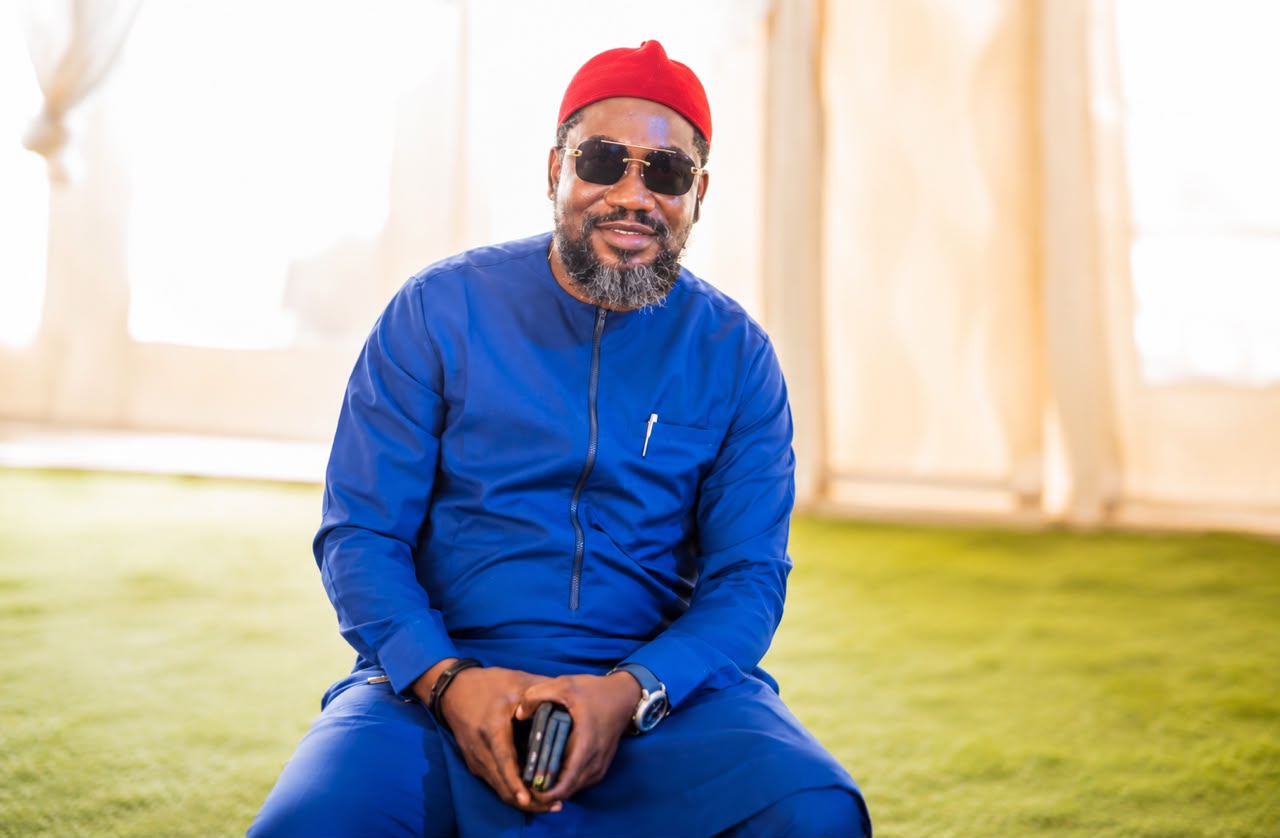
A prominent youth leader and chieftain of the All Progressives Congress (APC) in Delta State, Comrade Nnamdi Okwufulueze Ofonye, has dismissed suggestions that the support base of former Kano State Governor, Rabiu Musa Kwankwaso, would be enough to propel Labour Party’s 2023 presidential candidate, Peter Obi, to victory in the 2027 presidential election.
Ofonye, who is also the National President of the Anioma Youth Forum Worldwide, argued that Kwankwaso’s political influence remains largely confined to Kano State and has diminished significantly, making it unrealistic to expect him to deliver electoral victory to any opposition alliance.
Speaking during a live appearance on The Big Talk, a political and current affairs programme on Global TV, Ofonye said Kwankwaso’s support base had been overstated, maintaining that the former presidential candidate might not even be able to deliver Kano State in the next general election.
He noted that although Kwankwaso polled about 1.2 million votes in the 2023 presidential election, adding those votes to Peter Obi’s previous tally would still not be sufficient to secure victory in a nationwide contest.
According to him, “People should stop these gimmicks. Kwankwaso cannot guarantee Peter Obi victory in 2027. Kwankwaso himself may not even be able to deliver Kano State.”
The APC chieftain further contended that Kano State had become politically divided and predicted that the African Democratic Congress (ADC) would struggle to win the state based on current political realities.
On the 2023 presidential election, Ofonye rejected claims that Peter Obi enjoyed the support of the majority of Nigerian youths, insisting there was no empirical evidence to support such assertions.
He argued that while Obi’s supporters dominated conversations on social media, the enthusiasm did not translate into the electoral numbers required to win the presidency.
“The majority of those who voted cast their ballots for President Bola Ahmed Tinubu. There is nothing like the majority of Nigerian youths supporting Peter Obi,” he said.
The youth leader, however, commended the increased participation of young Nigerians in the electoral process, noting that voter apathy had reduced considerably compared to previous election cycles.
Reflecting on Nigeria’s electoral history, Ofonye maintained that the country’s voting process had improved significantly since 1999, stressing that votes now count more than they did in the early years of the Fourth Republic.
He dismissed allegations that the outcome of the 2023 presidential election differed from results uploaded by the Independent National Electoral Commission (INEC), describing such claims as “market rumours” and “fake news.”
According to him, parties that challenged the election presented their evidence before the courts, where the issues were adjudicated in accordance with the law.
Ofonye urged Nigerians not to rely solely on social media conversations when assessing political strength ahead of 2027, stressing that electoral victories are shaped by voter relationships, party structures and grassroots organisation.
He maintained that the political contest ahead of the 2027 presidential election would depend on nationwide acceptance rather than online popularity, expressing confidence that voters would ultimately determine the outcome at the polls.
Written by
Our Reporter
SkyHigh NewsHub correspondent.